
Staring down an aggressive property manager threatening immediate eviction simply because a beloved dog violates a strict “no-pets” apartment policy causes absolute, paralyzing terror. The sheer panic of potentially surrendering a vital canine companion pushes desperate renters into making hasty, incredibly expensive mistakes online. Handing over hundreds of dollars to a flashy website promising instant certification frequently ends in devastating legal rejections and sudden homelessness for the animal.
The absolute only legal solution is obtaining a valid Emotional Support Animal (ESA) letter directly from a Licensed Mental Health Professional. The biggest takeaway is that this specific document legally completely waives all monthly pet rent, nullifies breed restrictions, and overrides weight limits under the federal Fair Housing Act (FHA). Securing this letter guarantees the dog remains safely on the couch, provided the document explicitly proves the animal directly alleviates symptoms of a recognized emotional or mental disability.
ESA Letter Fundamentals: Overview Mind Map
- Core Legal Definition: A medical recommendation letter proving a pet is a vital part of a patient’s mental health treatment plan.
- Federal Protection: Protected exclusively under the Fair Housing Act (FHA) for residential living and no-pet housing.
- Massive Red Flags: Websites guaranteeing instant approval without a live phone call, offering laminated ID cards, or selling “lifetime registries.”
- Authorized Providers: Licensed Clinical Social Workers (LCSW), Psychologists, Psychiatrists, and Licensed Professional Counselors (LPC).
What exact legal power does an ESA letter hold?
In the United States, an authentic ESA letter transforms a standard pet into a highly protected, federally recognized assistance animal. This vital distinction explicitly forces housing providers to offer a “reasonable accommodation” for the dog, regardless of existing property rules. A landlord cannot legally charge a massive upfront pet deposit, nor can they tack on expensive monthly pet rent for a documented emotional support animal.

Furthermore, property management companies are strictly forbidden from applying standard breed or weight restrictions to a legitimate ESA. A massive, one-hundred-pound Rottweiler or a heavily stigmatized Pitbull mix is afforded the exact same federal housing protections as a tiny Chihuahua. The only legal exception occurs if the specific, individual dog displays highly dangerous, aggressive behavior that fundamentally threatens the safety of other building residents.
🚨 Vet Fact: Emotional Support Animals are not protected under the Americans with Disabilities Act (ADA) and do not have legal access to public spaces like grocery stores or restaurants. Their federal protections are strictly limited to residential housing and long-term lodging under the precise guidelines of the Fair Housing Act.
Advanced Insight 1: The Federal Registry Scam
The American pet industry is completely plagued by predatory companies heavily utilizing the word “registry” to aggressively scam vulnerable dog owners. There is absolutely no recognized federal, state, or local government database that registers emotional support animals. Paying a company to input a dog’s name into an online database provides zero legal housing protection and is entirely worthless.
Consider a stressed college student in Boston who desperately needed to move their rescue spaniel into a strict, no-pets campus apartment. The student paid seventy-five dollars for a glossy, laminated “National ESA ID Card” and a highly official-looking red vest from a popular website. The university housing authority immediately rejected the fake credentials, forcing the student to frantically scramble for a legitimate therapist’s letter to prevent the dog from being surrendered.
Landlords are legally trained to spot these highly commercialized, fake registry certificates instantly. The only document a property manager must legally accept is a signed, dated letter printed on the official letterhead of a treating mental health professional.
Advanced Insight 2: The Critical FHA “Nexus” Language
Many owners successfully ask their long-term therapist for a letter, only to have the property manager’s legal team swiftly reject it. This devastating rejection happens because the letter was completely generic, simply stating that the patient “needs their dog for comfort.” To be federally compliant, the document must establish a strict, undeniable “nexus” (connection) between the human’s specific disability and the dog’s exact function.
The LMHP does not need to reveal highly sensitive, private medical diagnoses to the landlord. However, the letter must explicitly state that the tenant has a recognized mental health condition that substantially limits one or more major life activities. It must then clearly articulate that the specific presence of the dog actively provides emotional support that directly alleviates the symptoms of that condition.
Take the reality of an anxious renter in Chicago whose initial, poorly written therapist letter was completely denied by a massive corporate landlord. The original letter simply read, “This dog makes the patient happy.” Once the therapist re-wrote the document to specifically state that the dog’s presence actively mitigates severe panic attacks, allowing the tenant to maintain daily living routines, the landlord was legally forced to instantly approve the accommodation.
🐾 Snoutbit Pro-Tip: Never attempt to draft the letter yourself and simply ask a doctor to sign it. Property managers frequently verify the authenticity of the letter by directly contacting the LMHP’s office; if the doctor did not write it, the tenant faces severe legal consequences for lease fraud.
Advanced Insight 3: State-Specific Telehealth Laws
With the massive rise of digital telehealth platforms, obtaining a legitimate ESA letter online is legally possible, but it requires extreme caution. The mental health professional providing the evaluation must hold an active, valid medical license in the exact state where the renter physically resides. A letter written by a therapist licensed in New York holds absolutely zero legal weight for a tenant renting a condo in Texas.
Additionally, several states have recently passed incredibly strict, localized laws to combat the massive surge of internet ESA mills. California, for example, recently enacted a law requiring a strict, thirty-day established clinical relationship between the patient and the LMHP before an ESA letter can be legally issued. This means logging onto a website and paying for a five-minute video call will completely fail to meet the rigorous state housing requirements.
Owners must meticulously research their specific state’s localized assistance animal laws before spending a single dime on a telehealth consultation. Utilizing a local, in-person therapist always remains the absolute safest, most undeniable route to securing flawless housing protection.
How to ask a current therapist for an ESA letter
Approaching a therapist to formally request an emotional support animal letter causes massive anxiety for many dedicated dog owners. The absolute best strategy is to frame the conversation entirely around treatment outcomes and biological symptom management rather than simply wanting to avoid paying pet rent. Clearly explain exactly how the dog’s physical presence actively stops panic attacks or physically forces a deeply depressed owner out of bed for morning walks.
Provide the therapist with clear, documented examples of how the canine companion heavily stabilizes daily emotional fluctuations. Many medical professionals are incredibly supportive of animal-assisted therapy but might simply lack the specific legal template required by the FHA. Bringing a printed copy of the HUD (Department of Housing and Urban Development) guidelines to the appointment helps the therapist draft the perfect, legally compliant document.
🚨 Vet Fact: An ESA letter strictly covers the emotional and mental health benefits provided by the animal’s mere presence. It does not certify the dog’s physical health; landlords can still legally require up-to-date veterinary vaccination records and municipal dog licenses before allowing the animal onto the property.
Managing aggressive landlord pushback
Even with a flawless, legally binding ESA letter in hand, some stubborn landlords will fiercely attempt to deny the accommodation through sheer intimidation. They frequently present desperate tenants with heavily customized, highly invasive medical questionnaires, demanding the therapist fill them out. Under federal law, landlords are absolutely not permitted to require a specific medical form or demand access to highly private psychiatric medical records.
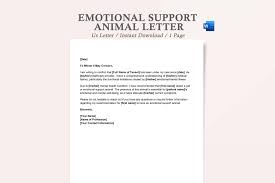
If a property manager refuses a perfectly legitimate letter, the tenant must stand incredibly firm and politely cite the federal Fair Housing Act guidelines. Simply reminding the housing provider that denying a valid accommodation request triggers a massive, highly expensive federal discrimination investigation usually forces immediate compliance.
Never pay a pet deposit “just in case” while waiting for the landlord to review the letter. Once the money is handed over, greedy property management companies will invent endless, highly frustrating bureaucratic excuses to avoid refunding the massive fee.
What To Do Next
- Audit the State License: If utilizing an online telehealth service, explicitly demand the direct license number of the therapist assigned to the case before paying any fees. Immediately cross-reference that exact number on your state’s official clinical licensing board website to guarantee they are legally authorized to practice in your specific zip code.
- Delete the Fake Registries: Go through the digital wallet or physical filing cabinet today and shred any laminated ID cards, certificates, or registry numbers purchased from online scam sites. Rely exclusively on the signed, official LMHP letterhead to ensure absolute, bulletproof legal protection during the next apartment hunt.
Disclaimer: The content on Snoutbit.com is for informational and educational purposes only and is not intended to replace professional veterinary advice, diagnosis, or treatment. Always consult with your veterinarian before making significant changes to your dog’s diet, exercise routine, or health regimen.