Hearing the violent, repetitive sound of a dog frantically flapping their ears creates immediate anxiety for any dedicated pet parent. The constant, desperate scratching leads to bloody raw spots on the neck, while a distinct, incredibly foul odor quickly begins to take over the living room. Attempting to dig the dark wax out with generic bathroom tools only packs the debris tighter, rapidly accelerating painful bacterial growth and guaranteeing highly expensive veterinary bills.
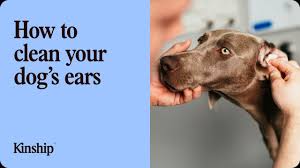
The definitive solution requires executing a highly specific “Flood and Squish” protocol rather than relying strictly on dry wiping. The absolute biggest takeaway is never sticking anything solid into the ear canal; handlers must fill the entire canal with a specialized liquid cleanser and physically massage the base of the ear instead. This hydraulic pressure breaks down stubborn wax, allowing the dog to naturally shake the debris entirely out of the dangerous horizontal canal.
The Canine Ear Anatomy: Overview Mind Map
- The Vertical Canal: The visible, downward-sloping tube that owners can easily see when lifting the ear flap.
- The Horizontal Canal: The sharp, 90-degree inward turn where dark wax, trapped water, and environmental yeast actively pool.
- The Eardrum (Tympanic Membrane): The incredibly fragile, paper-thin barrier protecting the delicate inner ear and neurological balance center.
- The Pinna: The external ear flap, which dictates airflow; heavy, floppy pinnae trap massive amounts of dangerous humidity.
🚨 Vet Fact: The unique “L-shape” of the canine ear canal evolved to protect the sensitive eardrum from environmental trauma like sharp sticks and heavy brush. However, this same evolutionary design creates a massive drainage problem, completely preventing gravity from naturally pulling trapped water or heavy wax out of the ear.
The Problem With Generic Cotton Wipes
Thousands of commercial pet wipes are heavily marketed as the ultimate solution for dirty canine ears. While a damp wipe effectively cleans the external pinna, it completely fails to reach the dense wax trapped deep inside the horizontal canal. Wiping the visible surface creates a highly dangerous illusion of cleanliness while a massive yeast infection secretly brews out of sight.
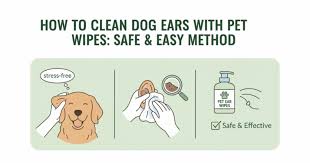
Dogs require heavy liquid saturation to properly flush out the deepest crevices of their anatomy. A flat wipe simply pushes surface debris slightly around, often smearing it further down into the vertical canal opening. Elite behaviorists and groomers exclusively reserve flat wipes strictly for the final cosmetic touch-up, never for the actual deep cleaning.
Consider the reality of a senior Basset Hound in Georgia that suffered from chronic, agonizing ear infections for three consecutive years. The owners were meticulously wiping the dog’s ears every single night, completely baffled as to why the thick, brown discharge continued to heavily accumulate. Once a specialist instructed them to stop wiping and start actively flooding the deep canal with a liquid flush, the chronic infections completely stopped within a single month.
Advanced Insight 1: The “Flood and Squish” Technique
Executing a proper ear cleaning requires treating the canine ear canal exactly like a dirty fluid reservoir. Handlers must confidently grasp the tip of the ear flap and pull it straight up, which temporarily straightens the L-shaped canal. Once lifted, gently squeeze the bottle of veterinary-approved cleanser until the liquid literally overflows out of the top of the ear.
Once the canal is completely flooded, immediately drop the ear flap and aggressively massage the fleshy base of the ear directly against the skull. This intense physical massage creates a powerful internal hydraulic action, actively sloshing the cleanser back and forth against the trapped debris. Handlers should hear a very distinct, highly audible “squishing” sound; if the ear is silent, there is simply not enough liquid inside the canal.
This massaging action chemically dissolves the hardened wax bonds holding the debris deep against the eardrum. It completely lifts the biological material into a free-floating suspension within the cleaning fluid. This crucial step strictly requires thirty full seconds of continuous massage to fully break down heavy, stubborn buildup.
🐾 Snoutbit Pro-Tip: Always submerge the bottle of ear cleanser in a bowl of warm tap water for ten minutes before beginning the cleaning process. Squirting ice-cold liquid directly into a highly sensitive ear canal triggers an intense biological startle response, making the dog highly likely to panic and bolt away.
Advanced Insight 2: The Cotton Ball Blockade
The exact second the ear massage stops, a dog will violently shake their head to expel the foreign liquid. This high-speed shaking launches dissolved wax, heavy yeast, and sticky cleanser across the entire room, entirely ruining clean walls and expensive furniture. Elite handlers completely neutralize this messy explosion by utilizing the brilliant “Cotton Ball Blockade.”
Immediately after massaging the base, gently place a massive, completely dry cotton ball directly over the opening of the ear canal before releasing the dog’s head. When the dog executes their violent shake, the massive centrifugal force perfectly ejects the dirty liquid directly up the canal. The strategically placed cotton ball acts exactly like a catcher’s mitt, absorbing the entire mess instantly.
Once the dog finishes shaking, simply remove the heavily soiled cotton ball and throw it entirely away. Use a fresh, dry cotton ball to gently wipe out any remaining moisture strictly from the visible outer ridges of the ear flap. This highly advanced technique completely contains the biological mess and leaves the living room completely spotless.
The Danger of Human Cleaning Tools
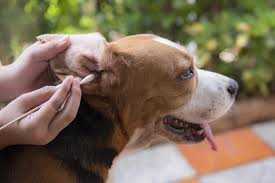
Never, under any circumstances, insert a standard cotton-tipped swab directly into a dog’s ear canal. The canine canal is surprisingly narrow, and a solid stick acts exactly like a plunger pushing against a clogged pipe. It forcefully rams the hard wax entirely past the horizontal turn, tightly packing it directly against the fragile eardrum.
This aggressive packing action frequently leads to a ruptured tympanic membrane, causing sudden, permanent hearing loss and excruciating neurological pain. Additionally, a dog may suddenly jerk their head while the swab is actively inside the canal. This unpredictable movement easily drives the wooden or plastic stick directly through the delicate internal tissues.
Always stick to the golden rule of canine ear hygiene: never put anything into the ear canal smaller than a human elbow. The entire cleaning process must rely entirely on liquid hydraulic pressure and the dog’s natural centrifugal shaking force.
🚨 Vet Fact: Utilizing harsh human household chemicals like hydrogen peroxide or rubbing alcohol destroys healthy canine tissue. These incredibly caustic liquids actively burn the delicate epithelial cells lining the ear canal, creating microscopic open wounds that invite highly aggressive, secondary bacterial infections.
Advanced Insight 3: The Desensitization Protocol
Many dogs display severe, paralyzing fear the exact second a plastic bottle is aimed near their head. This intense handling anxiety makes routine medical maintenance incredibly dangerous and highly stressful for everyone involved. Overcoming this deep phobia strictly requires a highly structured, slow-paced desensitization protocol utilizing premium food rewards.
Smear a heavy layer of plain peanut butter or dog-safe liver paste onto a textured silicone lick mat and stick it directly to the bathtub wall. While the dog is deeply engrossed in licking the premium reward, gently touch the outside of their ear with the closed cleaner bottle. Heavily praise the dog for remaining perfectly still, slowly working up to actually dripping the liquid while they remain highly distracted by the food.
Take the anecdotal reality of a severely traumatized, rescued German Shepherd that would aggressively bare its teeth whenever an ear bottle appeared. The dedicated handlers spent three full weeks strictly utilizing high-value lick mats, completely ignoring the dirty ears until the dog viewed the bathroom as a massive positive reinforcement zone. The dog eventually learned to completely ignore the fluid being poured into its ears, entirely focused on extracting every last drop of the liver paste.
Recognizing the Veterinary Red Flags
Ear cleaning is strictly a preventative maintenance routine, absolutely not a medical treatment for an active, raging infection. If the ear canal looks fiery red, feels incredibly hot to the human touch, or is completely swollen shut, immediately stop the cleaning process. Pouring liquid into a severely inflamed, infected ear causes agonizing, blinding pain.
Handlers must heavily monitor the specific color and consistency of the biological discharge. A tiny amount of pale yellow or light brown wax is completely normal canine biology. However, thick black debris resembling coffee grounds heavily indicates an aggressive ear mite infestation, while bright yellow pus signals a catastrophic bacterial crisis.
If a dog constantly walks with their head heavily tilted to one specific side, or displays a drastic loss of physical balance, an immediate veterinary appointment is mandatory. These highly concerning neurological symptoms suggest the infection has successfully breached the eardrum and entered the middle ear cavity.
🐾 Snoutbit Pro-Tip: The frequency of ear cleaning depends entirely on the dog’s specific breed genetics and lifestyle. Water-retrieving dogs like Golden Retrievers require a preventative flush immediately after every single swimming session, while dogs with erect ears like Siberian Huskies may only need cleaning once every three months.
What To Do Next
- Execute a “Sniff and Inspect” Audit: Call the dog over right now and physically lift both ear flaps. Meticulously smell the opening of the canal; a healthy ear smells like completely neutral skin, while a distinct odor resembling old corn chips or incredibly sour yeast demands a heavy-duty liquid flush tonight.
- Upgrade the Hardware Arsenal: Immediately throw away any generic cotton-tipped swabs currently stored near the dog’s grooming supplies. Purchase a high-quality, veterinary-approved liquid ear flush containing salicylic acid or ketoconazole, and stock up on massive, jumbo-sized cotton balls to execute the blockage technique flawlessly.
Disclaimer: The content on Snoutbit.com is for informational and educational purposes only and is not intended to replace professional veterinary advice, diagnosis, or treatment. Always consult with your veterinarian before making significant changes to your dog’s diet, exercise routine, or health regimen.