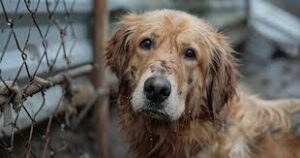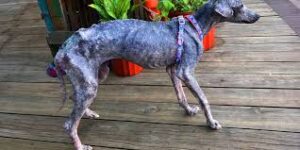
Spotting a lost, highly terrified dog darting through a busy suburban intersection instantly creates massive human panic. The immediate, deeply ingrained human instinct is to frantically run directly toward the animal while loudly shouting their name or offering a friendly, outstretched hand. This standard human reaction is a massive, highly dangerous mistake that practically guarantees the dog will violently sprint directly away from the perceived threat.

The definitive solution requires completely abandoning the chase and immediately deploying elite behavioral capture techniques. Catching a scared lost dog demands sitting entirely flat on the concrete, breaking all visual focus, and forcing the dog to completely close the distance on their own terms. By utilizing pungent, highly aromatic food and highly specific physical calming signals, handlers can safely shatter the adrenaline trance and successfully slip a leash over the dog’s head.
The Behavioral Capture: Overview Mind Map
- Survival Mode Trance: The massive neurological hijack that completely blocks a panicked dog’s ability to recognize owners or friendly voices.
- Biological Calming Signals: Utilizing heavy yawning, physical lip smacking, and averted gazes to biologically communicate absolute zero threat.
- The Scent Trap: Bypassing dry kibble and strictly utilizing heavily heated, greasy fast food to cut through severe outdoor sensory overload.
- The Vehicle Bunker: Utilizing open car doors as a highly familiar, secure mechanical trap for dogs terrified of direct human contact.
🚨 Vet Fact: A dog heavily locked into biological survival mode experiences such massive spikes in circulating adrenaline that their digestive tract frequently shuts down completely. Do not expect a terrified, running dog to casually stop for a dry dog biscuit; successful recovery strictly demands incredibly pungent, heavily heated food that aggressively forces the olfactory system to override the panic.
Advanced Insight 1: Breaking the “Survival Mode” Trance
When a domestic dog becomes deeply lost and highly terrified, their brain physically changes operational states almost instantly. The canine amygdala completely takes over, heavily flooding the animal’s central nervous system with massive spikes of toxic cortisol and survival adrenaline. In this highly primitive biological state, the dog completely forgets basic obedience and views absolutely every moving object as a highly lethal predator.
Standard rescue advice completely fails because it assumes the runaway dog is operating highly logically. Elite behaviorists understand that a dog locked entirely in survival mode requires massive, highly exaggerated displays of physical submission from the human rescuer. Standing tall, making intense eye contact, and rapidly reaching out a hand is perceived exactly like an apex predator aggressively preparing to strike.
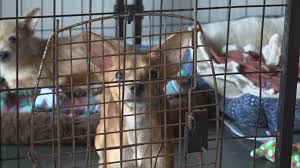
Take the intense reality of an independent rescuer named Wenny, who coordinated the highly complex extraction of six completely terrified dogs from a crowded municipal pound. The highly traumatized dogs were entirely shut down, aggressively pressing themselves directly into the concrete corners of the kennel and refusing to move. Wenny successfully secured all six dogs not by forcing physical contact, but by sitting completely sideways on the wet floor and allowing the dogs to slowly investigate the space safely.
Advanced Insight 2: The Power of Canine Calming Signals
Dogs utilize a highly complex, completely silent physical language to rapidly de-escalate tension and prevent violence within a pack structure. Humans can brilliantly hijack this exact biological language to rapidly convince a stray dog that the immediate area is entirely safe. The absolute most powerful calming signal a human rescuer can physically deploy is immediately breaking all direct eye contact.
Staring directly into the eyes of a highly anxious dog is biologically viewed as a massive, highly aggressive physical challenge. When attempting to catch a scared lost dog, the rescuer must sit entirely down and aggressively stare directly at the grass or off into the distance. Pairing this averted gaze with heavy, highly exaggerated human yawns physically proves to the dog that the human is incredibly relaxed and entirely non-threatening.
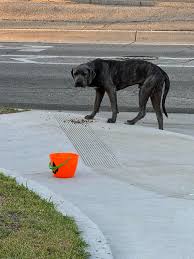
Additionally, the rescuer should casually toss high-value food completely off to the side, absolutely never tossing it directly at the dog’s face. Tossing food directly at the animal’s head triggers a massive flinch response, completely ruining the fragile trust-building process. Forcing the dog to slowly creep forward to scavenge the dropped food naturally pulls their scattered brain entirely out of the panicked flight response.
🐾 Snoutbit Pro-Tip: If the stray dog is actively running away, immediately turn around and rapidly run in the exact opposite direction while loudly making highly exciting, happy noises. This incredibly counter-intuitive tactic instantly triggers the dog’s natural biological prey drive, frequently causing the terrified animal to stop fleeing and happily begin chasing the human instead.
Advanced Insight 3: The “Greasy Trap” Protocol
Standard commercial dog treats completely fail in an outdoor environment heavily filled with massive, highly chaotic sensory overload. The intense smell of vehicle exhaust fumes, loud emergency sirens, and dense neighborhood foliage easily drowns out the weak scent of premium beef liver. Capturing a truly terrified dog requires entirely utilizing the absolute most pungent, highly odorous human food available to man.
Elite search teams rely incredibly heavily on cheap, greasy fast food heavily heated in a microwave right before the actual rescue attempt. A massive, heavily warmed double cheeseburger or a heavily roasted rotisserie chicken emits an incredible, highly dense scent cloud that travels vast distances on the wind. This intense biological payload easily cuts directly through the environmental noise, aggressively demanding the starving dog’s absolute, unwavering attention.
Consider the highly stressful rescue of a terrified Shepherd mix violently dodging heavy traffic near a busy Ohio highway intersection. Good Samaritans aggressively chased the dog for exactly three hours, completely failing to safely corner the highly athletic animal. The exhausting rescue successfully ended in exactly ten minutes once a seasoned volunteer sat completely still in a grassy ditch and aggressively ripped open a bag of heavily heated fried chicken.
🚨 Vet Fact: Never attempt to physically grab a terrified dog directly by their existing collar or the scruff of their neck. Reaching directly over the top of a highly stressed dog’s head instantly triggers a massive, involuntary bite redirection reflex, practically guaranteeing the rescuer will suffer a severe, highly damaging puncture wound to the hand.
Mastering the Slip Lead Capture
Once the dog finally breaks their survival trance and cautiously approaches the food, the physical capture phase becomes incredibly delicate. Bringing a standard nylon leash and attempting to violently snap a tiny metal clasp onto a moving metal collar is an absolute recipe for disaster. The sharp metallic clicking sound instantly startles the dog, causing them to violently bolt and completely permanently destroying the heavily established trust.
Rescuers must exclusively utilize a heavy-duty, highly quiet rope slip lead completely devoid of heavy metal hardware. Create a massive, incredibly wide loop with the rope, casually holding it open while the dog heavily eats the high-value food directly off the concrete. When the dog’s head is completely lowered and highly distracted by the greasy food, smoothly and completely silently drop the massive loop directly over their ears.
Instantly pull the slip lead firmly upward to successfully secure the capture, maintaining highly confident, steady pressure without violently jerking the animal’s neck. The dog will frequently panic for a brief moment as the rope naturally tightens, commonly known as “alligator rolling” directly on the ground. The handler must remain entirely calm and entirely silent, keeping the tension perfectly steady until the dog realizes they are completely secure and safely stops fighting the restraint.
Utilizing the Vehicle as a Safe Bunker
Many deeply terrified dogs possess a highly ingrained, completely biological association between human vehicles and physical safety or exciting adventures. If the rescuer is actively operating near their parked vehicle, leaving the car doors completely wide open can act as a massive, highly effective mechanical trap. A scared dog completely unwilling to approach a human standing on the grass will frequently jump straight into an open backseat entirely on their own.
Creating a highly successful vehicle trap requires tossing massive handfuls of the heated fast food directly onto the floorboards of the backseat. The handler must casually step completely away from the vehicle, heavily averting their gaze and completely ignoring the open doors. The dog essentially views the metal car as a highly secure, completely enclosed cave filled with a massive, highly valuable biological jackpot.
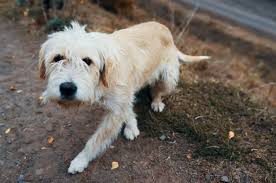
Once the dog successfully jumps fully inside the vehicle, the handler must strongly resist the massive urge to aggressively slam the door shut. Violently slamming the heavy metal door will instantly trigger a massive acoustic panic attack, easily causing the dog to violently thrash and heavily destroy the vehicle’s interior. The handler must casually and highly quietly close the door, successfully securing the animal without spiking the adrenaline any further.
🐾 Snoutbit Pro-Tip: If the dog completely refuses to approach the food or the vehicle, highly consider deploying a professional, humane drop-trap borrowed from a local rescue organization. Manually attempting to chase or tackle a highly athletic dog that refuses to submit simply pushes the animal further out of their established safety territory, drastically complicating the overall recovery.
What To Do Next
- Build a Tactical Capture Kit: Place a heavy-duty, hardware-free rope slip lead and a sealed, shelf-stable pouch of highly odorous wet cat food directly into the car’s glove compartment today. Having these exact, highly specific tools instantly available guarantees absolute readiness for the exact moment a terrified stray dog unexpectedly darts across the road.
- Practice Calming Signals: Spend exactly five minutes today physically practicing advanced canine calming signals directly in a mirror to ensure they look entirely natural. Master the heavily exaggerated yawn, the physical lip smack, and the completely averted gaze so these highly critical, life-saving physical movements become entirely second nature during a high-adrenaline rescue emergency.
Disclaimer: The content on Snoutbit.com is for informational and educational purposes only and is not intended to replace professional veterinary advice, diagnosis, or treatment. Always consult with your veterinarian before making significant changes to your dog’s diet, exercise routine, or health regimen.