Watching a beloved dog violently shake, aggressively pant, or frantically pace the hallway leaves pet parents feeling entirely helpless and deeply overwhelmed. The relentless pacing not only ruins household peace but actively floods the canine nervous system with highly toxic levels of cortisol. Left unmanaged, this chronic stress rapidly degrades a dog’s immune system, triggering severe gastrointestinal distress and explosive, fear-based behavioral reactivity.
The definitive solution requires completely abandoning high-pitched verbal comforting and implementing advanced, science-backed biological interventions. Handlers must manually reset the dog’s nervous system using targeted sensory deprivation, specific physical massage techniques, and strategic nutritional support. These elite behavioral strategies force the canine brain to physically exit the “fight or flight” survival mode and return to a grounded, cognitive state.
The Canine Stress Reduction Mind Map
- Acoustic Shielding: Utilizing heavy “brown noise” to completely mask terrifying, low-frequency environmental rumbles.
- The Parasympathetic Massage: Applying firm, downward pressure to the vagus nerve located along the canine ear flap.
- The Endorphin Loop: Forcing repetitive, intense licking to naturally flood the bloodstream with highly soothing brain chemicals.
- Olfactory Grounding: Engaging the dog’s incredibly powerful nose to entirely hijack their terrified, racing mind.
- Biochemical Support: Leveraging safe, natural compounds like L-theanine and chamomile to lower baseline anxiety.
Advanced Insight 1: The Vagus Nerve Ear Massage
Generic pet advice constantly suggests gently petting a stressed dog’s head to provide emotional comfort. Elite behaviorists understand that light, feathery strokes actually stimulate the nervous system, making a highly anxious dog feel significantly more frantic and overwhelmed. To naturally calm a dog, handlers must strictly utilize firm, sustained pressure directly targeting the vagus nerve.
This highly critical nerve runs straight down the base of the canine ear flap and acts as the master switch for the parasympathetic nervous system. By firmly grasping the thick base of the dog’s ear between the thumb and forefinger and slowly sliding outward to the tip, handlers manually trigger a deep relaxation response. This specific, heavy-pressure massage physically forces the dog’s racing heart rate to safely drop.

🐾 Snoutbit Pro-Tip: Never attempt to physically hug or tightly restrain a dog during an active, intense panic attack. Restricting a dog’s physical movement when their bloodstream is flooded with survival adrenaline triggers severe claustrophobia, heavily increasing the immediate risk of an accidental, fear-based bite.
Advanced Insight 2: The Brown Noise Acoustic Shield
Most owners automatically reach for a standard white noise machine or a box fan when a dog begins stress-panting during a loud thunderstorm. White noise consists of high-frequency hissing sounds, which completely fail to mask the terrifying, low-frequency rumbles that actually trigger severe canine anxiety. To build a highly effective acoustic shield, handlers must switch their audio equipment strictly to “brown noise.”
Brown noise emphasizes deep, heavy, low-end frequencies that perfectly cancel out the physical acoustic vibrations of rolling thunder, heavy construction vehicles, or booming holiday fireworks. Consider the reality of a rescued Weimaraner living in a busy downtown high-rise that suffered from crippling noise phobia. The owners swapped their standard fan for a heavy brown noise track played through a premium subwoofer, completely eliminating the dog’s frantic pacing within a single, peaceful evening.
When dealing with acoustic triggers, environmental management always heavily outperforms reactive comforting. Setting up the brown noise track inside an interior, windowless bathroom creates the ultimate sensory deprivation bunker. This completely blocks the terrifying sounds before they ever successfully reach the dog’s highly sensitive ear canals.
Advanced Insight 3: The Endorphin Lick-Loop
When a dog is severely stressed, their digestive system completely shuts down as blood rushes entirely to the skeletal muscles for physical survival. Forcing a dog to use their tongue is an incredible, highly advanced biological hack to entirely reverse this physiological stress response. The repetitive, mechanical act of intense licking releases a massive flood of natural endorphins directly into the canine bloodstream.
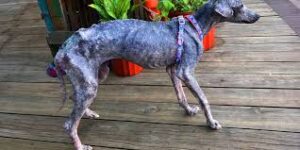
🚨 Vet Fact: Canine stress frequently manifests as sudden, highly aggressive shedding clinically known as “blowing the coat.” When cortisol levels skyrocket during a terrifying event like a veterinary visit, the hair follicles literally release their grip, causing the dog to instantly drop massive amounts of fur.
To successfully trigger this highly effective “lick-loop,” handlers should utilize heavily textured silicone lick mats. Smear the mat generously with organic, unsweetened Greek yogurt, dog-safe bone broth, or premium peanut butter. Freezing these prepared mats completely solid forces the dog to work significantly harder, dramatically extending the duration of the biological soothing process.
This brilliant redirection actively forces the dog’s frantic brain entirely away from the terrifying environmental trigger. It heavily focuses their scattered energy on a deeply rewarding, completely self-soothing task. A dog physically cannot hyperventilate and aggressively lick a frozen mat at the exact same time.
The Power of Olfactory Grounding
Dogs process the physical world entirely through their highly advanced, incredibly complex olfactory system. When severe panic sets in, forcing the dog to aggressively use their nose acts exactly like a grounding exercise for human anxiety. Handlers can scatter highly aromatic, premium treats like freeze-dried beef liver directly into the fibers of a thick carpet or a specialized snuffle mat.
Take the highly challenging case of a reactive Pitbull mix that would aggressively hyperventilate whenever unfamiliar houseguests arrived at the front door. The owners began tossing a massive handful of incredibly smelly, roasted chicken shreds directly into the backyard grass right before unlocking the deadbolt. The intense physical requirement of actively sniffing out the hidden meat entirely overrode the dog’s incoming anxiety.

This olfactory game successfully allowed the dog’s nervous system to completely bypass the initial panic spike. Engaging the canine nose demands massive amounts of cognitive processing power from the brain. This heavy mental workload leaves absolutely zero processing room for the dog to focus on the scary stimuli.
🐾 Snoutbit Pro-Tip: If a dog is simply too stressed to eat a premium, high-value treat, they have crossed their cognitive threshold and are entirely locked into survival mode. Handlers must immediately increase the physical distance between the dog and the terrifying trigger until the animal is calm enough to accept food again.
Natural Biochemical Support: L-Theanine and Chamomile
For dogs suffering from severe, generalized anxiety, environmental modifications frequently require safe, natural biochemical support. L-theanine, a highly beneficial amino acid naturally found in green tea leaves, is heavily celebrated by elite behaviorists for its incredibly powerful calming properties. It physically increases alpha brain waves, creating a deep state of biological relaxation without causing the heavy, miserable drowsiness associated with pharmaceutical sedatives.
Alternatively, brewing a weak, room-temperature cup of organic chamomile tea offers a brilliant, highly accessible natural anti-anxiety intervention. Pouring a small amount of this cooled, unsweetened tea directly over the dog’s evening kibble safely leverages the herb’s natural apigenin compounds. These specific botanical compounds bind directly to the exact same brain receptors as heavy anti-anxiety medications, naturally taking the sharp edge off a highly stressed animal.
Always avoid utilizing massive doses of synthetic melatonin, which can easily disrupt a dog’s highly sensitive circadian rhythm. Sticking to clinically proven, natural amino acids and safe botanicals ensures the dog’s liver is never heavily stressed.
🚨 Vet Fact: Never utilize human-grade essential oils like tea tree, eucalyptus, or peppermint to naturally calm a dog through household aromatherapy. The canine liver completely lacks the specific biological enzymes required to break down these highly concentrated phenols, making popular human diffusers incredibly toxic and frequently fatal to dogs.
The Danger of Emotional Mirroring
Dogs are highly empathetic, deeply bonded pack animals that brilliantly read invisible chemical signals. When an owner becomes heavily frustrated, worried, or tense because their dog is stressed, the human body immediately secretes its own stress pheromones. The dog instantly smells this human cortisol, which forcefully confirms their suspicion that there is indeed a massive threat in the environment.
Handlers must entirely police their own physical reactions during a canine panic attack. Taking deep, highly exaggerated breaths and maintaining loose, relaxed shoulders silently signals to the dog that the pack leader is completely unbothered. If the human confidently acts like the incoming thunder or the loud delivery truck is entirely boring, the dog is significantly more likely to adopt that exact same relaxed mindset.
What To Do Next
- Execute the Lick Mat Strategy: Purchase a heavy-duty silicone lick mat today and immediately cover it with plain, organic peanut butter or mashed sweet potatoes. Place it entirely in the freezer so you possess a powerful, instant biological distraction tool the exact second the dog begins showing early signs of pacing or panting.
- Upgrade the Acoustic Defense: Remove the standard high-frequency fan from the dog’s safe zone and replace it with a dedicated audio speaker. Queue up a heavy “brown noise” playlist on your smartphone to successfully mask the low-frequency vibrations of the next incoming thunderstorm or chaotic holiday fireworks display.
Disclaimer: The content on Snoutbit.com is for informational and educational purposes only and is not intended to replace professional veterinary advice, diagnosis, or treatment. Always consult with your veterinarian before making significant changes to your dog’s diet, exercise routine, or health regimen.