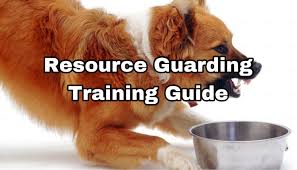
Reaching down to pick up a stolen sock and hearing a sudden, guttural growl from a beloved family pet induces sheer, paralyzing terror. That low, vibrating rumble completely shatters the peaceful household dynamic, leaving human handlers terrified of their own canine companion. When resource guarding rapidly escalates into violent air snaps or severe contact bites, the deeply cherished human-canine bond is heavily fractured.
Standard obedience advice completely fails in these highly dangerous, emotionally charged moments. Resorting to physical corrections or loudly yelling at the dog aggressively pours gasoline directly onto a biological panic fire. The definitive solution requires stepping completely back from the conflict and executing clinical, science-backed behavioral modification.
Advanced dog training for resource guarding behavior brilliantly reframes the entire scenario for the panicked animal. By utilizing strategic desensitization, massive biological payouts, and strict threshold management, handlers can safely dismantle the aggressive panic loop. This entirely transforms a terrifying confrontation into a completely joyful, highly cooperative transaction.
Resource Guarding Recovery: Overview Mind Map
- The Dominance Myth: Why attempting to act like an “alpha” violently escalates the exact behavior owners desperately want to stop.
- The Trade-Up Economy: Utilizing highly odorous, premium biological reinforcers to entirely outcompete the value of a stolen object.
- Spatial Guarding Tactics: Safely managing a dog that aggressively defends an elevated mattress or a specific corner of the living room.
- Micro-Body Language: Identifying the “whale eye,” the hard stare, and the sudden physical freeze long before the growl ever happens.
🚨 Vet Fact: Resource guarding is heavily rooted in genetics and the biological need to survive harsh conditions. It is entirely unrelated to “pack dominance” or an imaginary hierarchy, meaning alpha rolls or physical corrections are completely scientifically invalid and highly dangerous to the handler’s physical safety.
Advanced Insight 1: The “Bowl Meddling” Myth
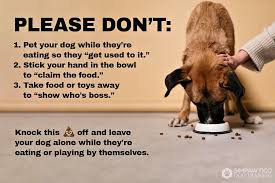
Decades of incredibly dangerous, generic pet advice instructed owners to constantly stick their bare hands directly into a dog’s food bowl during meals. This highly outdated tactic was heavily theorized to teach the dog that humans are the ultimate controllers of the food. Elite behaviorists understand that this incredibly intrusive practice actually actively manufactures severe resource guarding in completely normal puppies.
Imagine attempting to eat a highly expensive steak dinner at a restaurant while a stranger repeatedly reaches over and grabs the plate. This constant harassment completely destroys mealtime peace, forcing the highly frustrated dog to aggressively defend their biological sustenance. Handlers must immediately stop harassing feeding dogs and actively change the emotional equation of human approach.
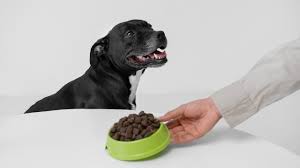
The exact opposite approach is required for true behavioral stability. When the dog is eating from their bowl, handlers should casually walk past at a completely safe distance and heavily toss a piece of premium roast beef directly toward the bowl. The dog quickly learns that a human approaching the food bowl is an incredibly exciting, highly beneficial event rather than a terrifying robbery.
The Marrow Bone Case Study
Consider the highly intense reality of a seven-month-old mixed breed named Anggu who rapidly developed severe resource guarding over highly valuable marrow bones. The owners initially attempted to quickly snatch the bone away when Anggu growled, resulting in a terrifying, lightning-fast air snap. The young dog was completely locked into a severe biological panic, fully believing the humans were dangerous thieves.
The rehabilitation completely pivoted to an advanced “trade-up” protocol utilizing extremely high-value hot dogs. The handlers casually approached Anggu from ten feet away, joyfully tossed a handful of heavily heated hot dogs onto the floor, and immediately walked away. Anggu dropped the heavily guarded bone to consume the premium meat, realizing the human presence brought massive biological upgrades.
Within exactly three weeks of this incredibly consistent counter-conditioning, the aggressive tension vanished completely. The exact second a human entered the room while Anggu chewed a bone, the dog happily dropped the item and expectantly waited for the premium jackpot. The behavioral loop was entirely rewired from defensive panic to joyful anticipation.
🐾 Snoutbit Pro-Tip: Never attempt to physically pry a stolen object out of a dog’s mouth unless it is actively, immediately life-threatening. Forcing the jaws violently open instantly destroys fragile trust and rapidly accelerates the intensity of the aggressive guarding response for the next encounter.
Advanced Insight 2: Spatial Guarding vs. Object Guarding
Most handlers strictly associate resource guarding entirely with food bowls or highly coveted squeaky toys. However, canine resource guarding frequently extends directly to highly prized spatial locations, causing terrifying conflicts over the living room couch or the human bed. In the highly primitive canine brain, physically controlling the absolute highest, most comfortable spatial location is a massive, heavily guarded survival resource.
If an owner attempts to physically push a resting dog off the mattress, the dog frequently responds with a violent, defensive bite. Handlers must completely avoid using physical force to move a spatially guarding animal. The definitive solution requires flawless environmental management and the installation of a highly reliable “target” or “station” command.
Handlers must aggressively teach the dog to happily run to an incredibly comfortable, completely separate floor bed on a specific verbal cue. By heavily rewarding the dog with massive food jackpots exactly when they jump onto the floor bed, the handler removes the conflict entirely. If the spatial guarding remains highly intense, the dog must instantly lose all elevated furniture privileges for several consecutive months to safely break the habit.
The Shelter Rehabilitation Connection
Take the incredibly strict spatial protocols utilized by elite volunteers heavily managing traumatized dogs at bustling rescue facilities like Wenny’s shelter in Malaysia. Many abandoned dogs arriving from highly neglected hoarding situations exhibit severe spatial guarding regarding the corners of their assigned kennels. These desperate animals aggressively defend these tiny, confined spaces simply because it is the absolute only safe territory they have ever known.
Volunteers never physically drag these terrified dogs out of the corners, fully understanding that spatial pressure triggers massive bite risks. Instead, they utilize high-value food scatters completely across the concrete floor to encourage the dog to voluntarily leave the heavily guarded corner. This brilliant spatial management strategy completely bypasses the conflict, allowing the traumatized animal to safely decompress without feeling cornered.
Successfully resolving severe spatial guarding requires immense human patience and absolutely flawless, zero-tolerance environmental boundaries. Over time, the rescue dogs completely realize the environment is entirely safe, allowing the heavy territorial tension to naturally dissolve.
🚨 Vet Fact: Sudden onset resource guarding in older, previously friendly adult dogs frequently stems from undigested physical pain or severe gastrointestinal distress. Always schedule a comprehensive physical examination to entirely rule out invisible health issues like osteoarthritis before attempting intensive behavioral modification.
Advanced Insight 3: Decoding the Micro-Body Language
A massive tactical error handlers frequently make is entirely ignoring the dog’s physical body language until a loud growl actually happens. A growl is incredibly late in the canine communication sequence; it is essentially the dog shouting because all polite requests for space were completely ignored. Elite handlers actively look for the microscopic, highly subtle warning signs that happen seconds before the aggressive escalation.
- The Freeze: The dog suddenly stops chewing, their entire body becomes incredibly rigid, and they lock their muscles entirely tight over the guarded item.
- The Whale Eye: The dog tightly pins their ears completely back and physically turns their head away, but their eyes aggressively track the human, exposing the bright white sclera of the eye.
- Accelerated Consumption: The dog suddenly begins eating their food incredibly fast or attempts to aggressively swallow a massive object whole to prevent it from being confiscated.
Recognizing these highly subtle warning signs allows the handler to instantly stop moving forward. The exact second the dog physically freezes, the handler must immediately back up and toss a high-value treat from a completely safe distance. Respecting these early warning signals massively builds trust, frequently preventing the dog from ever needing to escalate to a terrifying bite.
🐾 Snoutbit Pro-Tip: A rapidly wagging tail does absolutely not automatically mean a dog is friendly, happy, or relaxed. A stiff, held-high, and rapidly vibrating tail is actually a severe, highly dangerous warning sign of intense over-arousal and impending defensive aggression.
The Scatter Technique for Stolen Items
Dogs frequently steal highly inappropriate, highly dangerous items like remote controls, expensive eyeglasses, or heavily toxic chocolate. The immediate human reaction is to violently panic, rapidly chase the dog under the dining room table, and attempt a dangerous physical extraction. This frantic chase immediately turns the stolen item into a highly prized, heavily guarded trophy.
To safely recover a dangerous item without triggering an aggressive bite, handlers must expertly deploy the “Scatter Technique.” The handler must rapidly grab a massive handful of incredibly pungent, high-value treats and aggressively scatter them across the floor several feet completely away from the dog. The intense scent and sound of the food hitting the floor forces the dog to drop the stolen object to actively investigate the massive jackpot.
While the dog is highly distracted vacuuming up the premium treats, the handler can calmly and safely retrieve the dropped hazard. This advanced technique flawlessly leverages canine biology, effectively outcompeting the value of the stolen item without initiating a terrifying physical confrontation. It securely preserves human safety while effortlessly retrieving the highly dangerous object.
What To Do Next
- Execute an Environmental Audit: Walk completely through the entire house today and physically pick up every single scattered toy, stray sock, or loose shoe. Rigorously managing the physical environment entirely removes the daily opportunity for the dog to practice the highly dangerous guarding behavior, immediately halting the aggressive cycle.
- Build the Trade-Up Cache: Prepare a massive batch of insanely high-value, highly odorous biological reinforcers like heated hot dogs, massive chunks of plain boiled chicken, or highly pungent freeze-dried liver. Stage these specific premium treats in highly secure, easily accessible containers in the kitchen, guaranteeing you are instantly armed to execute a flawless “trade-up” protocol the exact second a guarding event begins.
Disclaimer: The content on Snoutbit.com is for informational and educational purposes only and is not intended to replace professional veterinary advice, diagnosis, or treatment. Always consult with your veterinarian before making significant changes to your dog’s diet, exercise routine, or health regimen.