The foul, fishy odor drifting from a panting dog completely ruins a cozy evening on the couch. Ignoring this stench leads to a terrifying reality: hardened tartar, painful gum inflammation, and thousands of dollars in veterinary dental extraction bills. The ultimate solution is not buying endless bags of useless dental chews, but physically scrubbing the teeth.
The absolute biggest takeaway is to throw away the long-handled, hard plastic dog toothbrush and switch to a soft, microfiber finger sleeve paired with enzymatic toothpaste. Hard bristles cause intense pain on sensitive canine gums, triggering immediate panic and resistance. Utilizing a soft finger sleeve provides precise physical control, entirely preventing accidental mouth injuries and transforming a daily battle into a highly rewarding bonding session.
To instantly visualize how to master canine oral hygiene, here is a quick overview mind map.
🦷 Overview Mind Map: The Canine Dental Matrix
- The Root Cause: Soft plaque turns into rock-hard calculus within 48 hours if not physically scrubbed away.
- The Ultimate Tool: Microfiber finger sleeves offer superior tactile feedback and zero gum trauma.
- The Chemical Helper: Enzymatic toothpaste actively dissolves sticky biofilm overnight.
- The Golden Rule: Never pry a dog’s jaws open; only brush the outer surfaces of the teeth.
- The Behavioral Hack: Use heavily smeared lick mats to distract the dog completely during the process.
Why the Standard Plastic Dog Toothbrush Fails
Walking down the pet aisle reveals rows of long-handled, dual-ended plastic brushes that look exactly like human tools. These rigid devices are fundamentally flawed for canine anatomy and canine behavioral psychology. Shoving a hard, foreign stick into a dog’s mouth triggers an immediate, deeply ingrained defensive reflex.
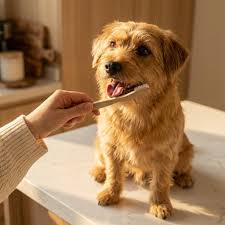
A dog cannot understand that the plastic stick is meant to help them. They simply feel hard bristles jabbing into their highly sensitive gum tissue, causing immediate pain and bleeding. The dog quickly learns to run and hide the exact second the bathroom drawer opens.
Furthermore, the long handle completely destroys the handler’s tactile feedback. It is entirely impossible to feel how much pressure is being applied to the delicate oral tissue. This lack of control virtually guarantees the brushing experience remains terrifying and physically uncomfortable for the pet.
🚨 Vet Fact: By age three, an astonishing 80% of dogs suffer from some form of active periodontal disease. This chronic, hidden infection does not just destroy teeth; bacteria from the inflamed gums seep directly into the bloodstream, actively damaging the dog’s heart valves and kidneys over time.
Advanced Insight #1: The Microfiber Finger Sleeve Upgrade
Generic pet blogs frequently recommend swapping to a rubber finger brush, but those thick rubber nubs fail to sweep away microscopic plaque effectively. The elite behavioral upgrade is utilizing a medical-grade, antibacterial microfiber finger sleeve. This ultra-soft material acts exactly like a microscopic squeegee against the tooth enamel.
Slipping a soft sleeve over an index finger completely changes the dog’s emotional response to the procedure. Dogs are already heavily conditioned to accept and enjoy human fingers rubbing their muzzle and cheeks. The transition from a loving chin scratch to a gentle tooth rub feels incredibly natural and entirely non-threatening.
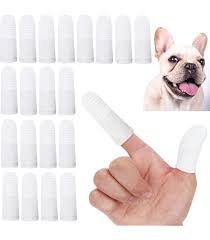
This method also provides the handler with absolute, perfect tactile feedback. The owner can literally feel the slick plaque on the tooth and know exactly when it has been successfully wiped away. There is zero risk of accidentally jabbing the dog in the back of the throat during a sudden head movement.
The Texas Yorkie Transformation
A tiny Yorkshire Terrier living in suburban Texas possessed a terrifyingly aggressive response to dental care. The owners initially used a hard, dual-ended plastic brush, which the Yorkie violently attacked, resulting in bleeding gums and punctured human hands. The dog’s teeth were rapidly decaying, but standard brushing was entirely impossible.
The behavioral intervention required completely abandoning the plastic tool. The owners switched to a soft microfiber finger sleeve, soaking it in warm chicken broth for the first three days. They simply let the Yorkie lick the broth off the sleeve, building a massive positive association with the fabric.
By day four, the owners could easily slide the broth-soaked finger directly along the Yorkie’s gumline without a single growl. The painful wrestling matches vanished entirely, and the dog began happily anticipating the nightly mouth massage.
🐾 Snoutbit Pro-Tip: Never use human toothpaste on a dog. Human formulas contain massive amounts of foaming detergents and toxic sweeteners like xylitol, which can cause fatal blood sugar crashes in canines within minutes of ingestion.
Advanced Insight #2: The Buccal Surface Rule
The most common reason owners completely abandon brushing is the sheer physical exhaustion of trying to pry a dog’s jaws open. Forcing a dog’s mouth open is highly confrontational and biologically terrifying for the animal. Elite veterinary dentists offer a massive secret that eliminates this struggle completely: stop trying to brush the inside of the teeth.
The rough, highly muscular canine tongue acts as a natural squeegee, constantly wiping soft plaque off the inside surfaces of the teeth. The vast majority of dangerous plaque and tartar accumulation happens exclusively on the outside surfaces, known as the buccal aspect. This is where the teeth rest directly against the cheek tissue, completely missing the tongue’s natural cleaning action.
To brush effectively, simply lift the dog’s upper lip gently while keeping their jaws entirely shut. Slide the finger sleeve strictly along the outside of the teeth, focusing heavily on the massive upper back molars. Completely ignoring the inside of the mouth drastically speeds up the process and keeps the dog entirely calm.
The Chemical Power of Enzymatic Paste
The physical friction of the dog toothbrush is only half of the medical equation. The true magic happens when mechanical scrubbing is combined with highly advanced, canine-specific enzymatic toothpaste. These specialized pastes do not rely on aggressive physical abrasives or minty masking scents.
Enzymatic formulas contain live, active proteins that physically attack and break down the sticky bacterial biofilm coating the teeth. Even if an owner misses a small spot with the brush, the enzymes continue working to dissolve the plaque long after the brushing session ends. The paste does the heavy lifting overnight while the dog sleeps.
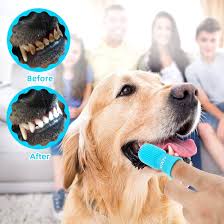
Because dogs cannot rinse and spit, these pastes are engineered to be 100% safely digestible. They are heavily flavored with extreme canine attractants like roasted poultry, malt, or beef. To the dog, the enzymatic paste is not medicine; it is an ultra-premium, high-value dessert.
🚨 Vet Fact: Plaque is an invisible, sticky film that constantly forms on teeth after every single meal. If this soft biofilm is not physically disrupted within 48 hours, calcium from the dog’s saliva permanently mineralizes it into rock-hard tartar, which can only be safely removed via professional veterinary scaling under general anesthesia.
Advanced Insight #3: The Lick Mat Distraction Hack
Even with soft microfiber sleeves and delicious poultry paste, highly energetic dogs often refuse to sit still for more than three seconds. Attempting to pin a squirming Labrador to the floor to scrub their teeth completely ruins the required relaxed environment. The ultimate behavioral hack relies on creating a powerful, competing biological focus.
Grab a heavy-duty silicone lick mat with a strong suction cup backing. Smear the mat aggressively with plain, unsweetened Greek yogurt or pet-safe peanut butter, and stick it firmly to the bathroom tile at the exact height of the dog’s nose. The dog will become completely entranced, licking the mat with absolute ferocity.
While the dog is entirely focused on extracting the peanut butter, their head naturally remains perfectly still. An owner can easily slide a finger sleeve under their lips and scrub the outer teeth thoroughly without facing a single ounce of resistance. The high-value food distraction completely overrides any mild annoyance caused by the brushing action.
The Florida Labrador Success Story
A deeply energetic Labrador Retriever in Florida viewed tooth brushing as a highly engaging, physical wrestling match. The dog would constantly bat the owner’s hands away with heavy paws and try to playfully chew on the finger sleeve. Brushing took twenty exhausting minutes and rarely removed any actual plaque.
The owner implemented the lick mat distraction hack, slapping a peanut-butter-coated mat directly onto the side of the kitchen refrigerator. The Labrador locked onto the mat instantly, becoming completely hypnotized by the food. The playful pawing and head-tossing stopped entirely.
The owner successfully scrubbed the dog’s entire mouth in under sixty seconds while the Labrador remained happily distracted. The daily chore transformed from a frustrating physical battle into a highly efficient, entirely peaceful routine.
🐾 Snoutbit Pro-Tip: Timing is absolutely everything when establishing a new grooming habit. Always brush the dog’s teeth late at night, right after their final evening walk, when their physical energy is entirely depleted and their baseline cortisol levels are naturally at their lowest.
Establishing the Daily Routine
Consistency is the only metric that matters in canine dental care. Brushing a dog’s teeth once a week is functionally useless, as the plaque will have already hardened into tartar multiple times between sessions. Daily disruption of the biofilm is absolutely mandatory for true disease prevention.
Start the conditioning process incredibly slowly. Spend the first week simply letting the dog lick the enzymatic paste directly off a bare finger. Do not even attempt to lift their lips or touch their teeth until they actively beg for the toothpaste tube to be opened.
Slowly introduce the microfiber sleeve, praising heavily for every single second the dog remains calm. Once the habit is firmly established, a comprehensive, full-mouth brushing should take absolutely no longer than one minute. Fast, daily, and highly rewarding sessions guarantee a lifetime of fresh breath and protected organs.
What To Do Next
- Throw Away the Plastic: Go to the bathroom drawer right now and immediately throw out any rigid, long-handled plastic dog brushes. Order a multi-pack of soft, washable microfiber finger sleeves to instantly upgrade the physical safety of the grooming routine.
- Audit the Toothpaste: Check the label on the dog’s current dental paste today. Ensure the formula explicitly states it uses an “enzymatic” cleaning system rather than just relying on generic baking soda and mint flavoring to temporarily mask bad breath.
Disclaimer: The content on Snoutbit.com is for informational and educational purposes only and is not intended to replace professional veterinary advice, diagnosis, or treatment. Always consult with your veterinarian before making significant changes to your dog’s diet, exercise routine, or health regimen.