Living with an intact, highly aroused adolescent canine frequently feels like managing a completely chaotic, fiercely unpredictable biological tornado. The frantic, relentless pacing by the front door, the highly embarrassing mounting behavior at the local dog park, and the constant, aggressive urine marking on the living room furniture push exhausted handlers to their absolute breaking point. Desperate pet parents frequently rush to schedule a surgical alteration, entirely hoping the highly recommended procedure acts as an instant, magical cure for severe canine hyperactivity.
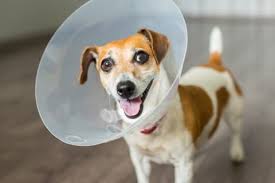
The definitive solution requires completely abandoning the highly pervasive myth that a single surgery installs flawless household obedience. Advanced behavioral management demands perfectly decoding exactly which frustrating actions are driven by raging reproductive hormones and which are simply highly ingrained, deeply rehearsed bad habits. By understanding the massive chemical shifts happening inside the canine brain post-surgery, handlers can flawlessly adjust their training protocols to finally achieve a perfectly peaceful, highly balanced home.
The Post-Surgery Behavioral Shift: Overview Mind Map
- The Hormone Disconnect: Understanding exactly why surgery successfully stops frantic roaming but completely fails to stop a dog from jumping on houseguests.
- The Chemical Dissipation Timeline: Why handlers absolutely must wait up to eight full weeks to observe the final, permanent behavioral changes.
- The Estrogen Rollercoaster: How spaying successfully rescues female canines from severe, highly painful physical cramping and intense psychological mood swings.
- The Habituation Trap: Recognizing when highly embarrassing mounting behavior officially transitions from a biological mating urge into a massive over-arousal habit.
🚨 Vet Fact: Intact male dogs possess a highly advanced olfactory system capable of physically smelling a female dog in active estrus from over three miles away. This massive biological detection forcefully triggers a massive, highly toxic dump of cortisol and adrenaline, causing the dog to violently attempt to escape the backyard entirely to fulfill the mating drive.
Advanced Insight 1: The Chemical Dissipation Timeline
Generic pet lifestyle blogs constantly heavily imply that a dog will wake up from the anesthesia acting completely sedated and permanently calm. Elite behaviorists understand this highly dangerous expectation completely sets dedicated handlers up for massive, overwhelming frustration during the initial recovery phase. The physical removal of the reproductive organs instantly halts the active, daily production of fresh testosterone or estrogen, but the existing hormones do not vanish overnight.
The canine biological system is heavily saturated with these highly potent reproductive chemicals, firmly locked deep inside the bloodstream and vital tissues. It takes a massive, highly varied biological timeline of exactly four to eight full weeks for the remaining hormones to completely dissipate from the dog’s central nervous system. During this highly critical waiting period, the dog will frequently continue to aggressively mark territory or display intense, highly frantic mating behaviors.
Take the highly relatable reality of managing a brilliantly intelligent Village Dog and Shiba mix named Anggu immediately following a routine neuter procedure. The young dog returned home completely groggy, but within a few days, the intense, highly frustrating post-surgery behavior required massive spatial management to safely restrict his physical movement. The dedicated handlers brilliantly understood that true, permanent behavioral calmness would only physically manifest after several weeks of careful, heavily structured healing.
Advanced Insight 2: The Estrogen Anxiety Factor
Discussions regarding surgical calmness are almost universally focused entirely on male dogs and the highly aggressive removal of massive testosterone spikes. Elite behavioral experts recognize that the physical and psychological relief provided by spaying a female dog is arguably significantly more profound. An intact female dog is forcefully subjected to a massive, highly chaotic biological rollercoaster exactly twice a year during her active heat cycle.
This severe estrus cycle actively causes massive, highly painful uterine cramping, extreme breast engorgement, and intense, completely unexplainable psychological mood swings. The female dog frequently becomes incredibly highly reactive, severely guarding her physical space and violently snapping at previously trusted canine companions. By surgically removing the ovaries and uterus, this highly toxic, deeply painful hormonal fluctuation is permanently and completely eliminated.
Consider the highly intense environment of bustling rescue facilities like Wenny’s animal shelter in Rawang, managing highly traumatized strays. Intact female dogs arriving directly from neglected street environments frequently display massive, unmanageable terror when actively experiencing a heat cycle in a highly crowded kennel. Once the shelter veterinarians successfully perform the routine spay, the massive reduction in biological stress allows these incredibly defensive females to finally decompress and safely seek human affection.
🐾 Snoutbit Pro-Tip: Immediately following a spay or neuter procedure, the dog is strictly banned from executing high-speed running or aggressive jumping to safely protect the fragile internal sutures. To successfully burn off their massive physical energy without causing catastrophic surgical tears, handlers must heavily deploy advanced mental enrichment tools like frozen licking mats or highly complex indoor scent games.
Advanced Insight 3: The “Phantom” Habit Trap
A massive, incredibly common tactical error occurs when owners completely rely on the surgery to fix highly embarrassing behaviors like leg mounting or aggressive leash pulling. While mounting absolutely begins strictly as a heavily hormonally driven biological reproductive urge, it incredibly quickly evolves into a deeply ingrained physical habit. If an intact dog successfully practices humping another dog at the park every single day for two years, the physical action becomes heavily neurologically hardwired.
Once the dog is finally neutered and the raw testosterone completely vanishes, the dog frequently continues the exact same embarrassing mounting behavior. The dog no longer performs the action to successfully reproduce; they utilize it as a highly advanced displacement behavior to forcefully manage severe environmental over-arousal. Elite behaviorists recognize this completely hormone-free mounting as a frantic, highly desperate biological attempt to manually burn off massive, overwhelming anxiety or intense excitement.
Successfully breaking this “phantom” habit strictly requires executing a highly aggressive, zero-tolerance behavioral modification protocol completely separate from the surgical intervention. The exact micro-second the newly altered dog attempts to mount a guest’s leg, the handler must instantly physically intervene and firmly redirect the dog to a highly secure floor mat. The dog absolutely must be taught a brand-new, completely acceptable physical outlet for their massive emotional excitement.
Differentiating Arousal From Hyperactivity
Handlers desperately seeking a calmer canine absolutely must learn to flawlessly differentiate between hormonal arousal and standard, massive physical hyperactivity. A neutered dog is entirely freed from the highly intense, completely exhausting biological urge to constantly search for a viable mate. They stop frantically pacing the floorboards at midnight, completely stop violently destroying window screens to escape the house, and significantly reduce highly competitive urine marking.
However, surgically altering a highly energetic, deeply primitive working breed absolutely never magically transforms them into a low-energy companion animal. If a dog completely lacks highly structured daily exercise, massive cardiovascular exertion, and intense biological enrichment, they will completely destroy the living room out of sheer boredom. A severely under-exercised altered dog is exactly as highly destructive and entirely chaotic as a severely under-exercised intact dog.
True, unshakeable household calmness is ultimately a highly complex, multi-tiered behavioral equation. The surgery brilliantly provides the absolute perfect biological foundation by completely removing the massive, highly distracting reproductive static from the dog’s brain. The human handler must then physically step up and actively provide the massive daily leadership, strict environmental boundaries, and heavy physical exhaustion the dog biologically demands.
🚨 Vet Fact: Following a successful spay or neuter procedure, a dog’s completely resting metabolic rate physically drops by a staggering twenty to thirty percent. If handlers completely fail to heavily reduce the dog’s daily caloric intake to flawlessly match this new biological reality, the dog will rapidly suffer from massive, highly dangerous canine obesity.
Managing the Recovery Period
The absolute most critical window for successfully shaping long-term behavioral calmness occurs directly during the immediate two-week surgical recovery period. Because the dog is physically heavily restricted and frequently highly uncomfortable, their baseline environmental frustration violently skyrockets. Handlers absolutely must maintain a completely calm, entirely deeply peaceful household environment to successfully prevent the dog from developing severe, completely new behavioral anxieties.

Strictly utilizing highly restrictive spatial management tools like heavy-duty wire crates or sturdy exercise pens is entirely non-negotiable. Allowing a highly groggy, physically compromised dog to freely wander the entire house heavily increases the massive biological risk of a highly defensive, pain-induced bite. Keeping the dog completely isolated in a quiet, heavily darkened room flawlessly promotes rapid cellular healing and deeply restorative canine sleep.
Providing massive amounts of human empathy entirely without coddling the animal creates a highly perfect, beautifully balanced recovery environment. Speak in completely hushed, highly soothing tones, and execute all necessary medical checks with completely slow, highly deliberate physical movements.
What To Do Next
- Execute the Caloric Audit: Instantly contact your primary veterinary clinic today and actively request a highly specific, strictly mathematically calculated daily caloric reduction plan for the newly altered canine. Prevent massive, highly dangerous weight gain by aggressively measuring out the exact volume of daily kibble utilizing a highly accurate digital kitchen scale tomorrow morning.
- Deploy the Habit Redirection: Identify the absolute single most highly frustrating “phantom” behavior the dog continues to execute despite being surgically altered. Prepare a massive handful of insanely high-value, highly aromatic freeze-dried liver tonight, completely ready to instantly redirect the dog the exact next time they attempt that specific highly ingrained bad habit.
Disclaimer: The content on Snoutbit.com is for informational and educational purposes only and is not intended to replace professional veterinary advice, diagnosis, or treatment. Always consult with your veterinarian before making significant changes to your dog’s diet, exercise routine, or health regimen.