Arriving at a chaotic international airport only to watch customs officials seize a beloved dog is a soul-crushing nightmare. Frantic families watch their pets get wheeled into high-security quarantine facilities simply because a single signature on a veterinary form was missing. The absolute most critical takeaway when securing travel docs for dogs to Asia countries from AU is initiating the Rabies Neutralizing Antibody Titre (RNAT) test a strict six months before departure. Australian exports require an official Notice of Intention to Export, an importing country permit, and a Department of Agriculture endorsed health certificate. Missing the strict biological timelines for these documents guarantees denied boarding, making proactive, six-month preparation the only path to a safe, successful international relocation.
What Are The Essential Travel Docs For Dogs To Asia Countries From AU?
Moving a pet from a strict rabies-free island like Australia to dynamic destinations across Asia requires a mountain of precise government paperwork. The importing country demands absolute proof that the incoming canine is completely free of infectious diseases and external parasites. The foundational document is the Import Permit, issued directly by the destination country’s official agricultural or veterinary department.
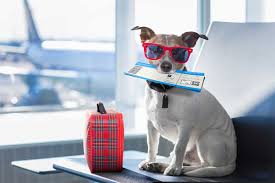
Without an approved Import Permit securely in hand, airline cargo agents will instantly refuse to load the dog onto the aircraft. Alongside this permit, Australian authorities mandate a meticulously detailed Export Health Certificate. This vital document must be signed off strictly by a government-approved veterinarian within mere days of the scheduled flight.
How Long Does The Rabies Titer Test Actually Take?
Generic travel blogs constantly claim a simple rabies vaccination is enough to fly, which is a massive, highly dangerous lie. Most Asian borders require an RNAT blood test to prove the dog actually developed sufficient antibodies against the disease. The blood must be drawn three to four weeks after the initial vaccine, and then the dog must wait an agonizing 180 days before touching down in specific jurisdictions.
🚨 Vet Fact: The 180-day international waiting period officially begins on the exact date the laboratory successfully draws the blood, absolutely not on the date the initial rabies vaccine was administered. Miscalculating this specific biological timeline by just one day guarantees mandatory, expensive border quarantine.
Do Different Asian Countries Have Different Quarantine Rules?
Assuming the entire Asian continent follows one unified set of canine import laws is a fast track to logistical disaster. Relocating a high-drive Blue Heeler to the busy streets of Vietnam currently requires flawless paperwork but allows the dog to completely bypass facility quarantine upon arrival. Conversely, moving that exact same dog just across the border into Malaysia mandates a strict, non-negotiable minimum seven-day stay in a government quarantine station.
Handlers must meticulously research the unique, ever-changing import requirements of the specific destination country before booking a single flight ticket. Ignoring localized quarantine laws leaves owners completely separated from their terrified pets for weeks. Certain countries even dictate exactly which commercial airlines are legally authorized to transport live animals into their airports.
Can Australian Breeds Handle Asian Tropical Climates?
Local environmental extremes dictate exactly how a canine body handles the stress of international cargo transit and immediate acclimatization. Transitioning a thick-coated Australian Kelpie from a cool Melbourne winter directly into the brutal, sweltering humidity of Southeast Asia induces massive thermal shock. Intense thermal stress forces the canine body to focus entirely on basic cardiovascular survival, drastically increasing the risk of heatstroke during customs clearance.

🐾 Snoutbit Pro-Tip: Never pack the original, wet-ink travel documents inside the dog’s cargo crate. Tape a high-quality color copy to the top of the kennel, but always hand-carry the original, officially stamped health certificates in a secure, waterproof folder inside the passenger cabin.
Why Do Health Certificates Fail At The Border?
An advanced, highly realistic threat that halts international pet transport involves microscopic microchip technology failures. A family relocating a Golden Retriever from Sydney to Southeast Asia spent thousands on export paperwork, only to face immediate rejection at the cargo terminal. The customs official’s scanner could not read the dog’s outdated, non-ISO compliant microchip, rendering the entire stack of perfectly executed health certificates entirely void.
Asian border control agencies strictly utilize 15-digit ISO standard scanners. If a dog possesses an older, 10-digit chip, the official paperwork will not biologically link to the animal standing in the crate. Always mandate a physical microchip scan using an ISO reader at every single veterinary prep appointment to ensure flawless tracking.
Do Tick Preventatives Matter For International Travel?
Heavy coastal tick seasons in Australia force dedicated owners to administer powerful preventatives, but tropical Asian countries harbor entirely different parasite profiles. Southeast Asia is heavily infested with blood-borne pathogens and aggressive tick species that a standard Australian preventative might not fully cover. The Export Health Certificate actively mandates highly specific, documented internal and external parasite treatments administered by a vet exactly 48 to 120 hours before the flight.
🚨 Vet Fact: Failing to treat a dog for specific tapeworms using a medication containing Praziquantel within the exact five-day pre-flight window will immediately void the international health certificate and trigger boarding denial. The exact date and time of administration must be recorded flawlessly on the official paperwork.
How To Transport Snub-Nosed Breeds Safely?
Flying brachycephalic breeds, such as compact Frenchies or muscular English Staffies, requires navigating massive, highly restrictive airline embargoes. These flat-faced companions possess severely compressed upper airways that make regulating core body temperature in a stressed cargo hold biologically impossible. Consequently, major commercial airlines implement strict temperature embargoes, completely refusing to fly snub-nosed breeds to hot Asian destinations during the summer months.
A dedicated owner recently attempted to fly an English Staffy overseas, only to discover standard plastic travel crates are legally banned for powerful breeds. The dog required a custom-built, reinforced wooden crate specifically compliant with IATA CR82 regulations just to secure a cargo booking. These specialized crates feature heavy-duty metal mesh and secure locking mechanisms to completely prevent a panicked, powerful dog from chewing their way out mid-flight.
Should Dogs Be Sedated During Cargo Flights?
Handing an anxious dog a heavy sedative before a long-haul flight across the Pacific Ocean is a lethal, highly dangerous practice. Sedatives drastically lower a dog’s blood pressure and completely suppress their natural ability to balance, increasing the risk of severe injury during heavy air turbulence. Furthermore, tranquilizers completely obliterate the canine respiratory system’s ability to pant effectively, practically guaranteeing fatal heatstroke during tarmac transfers.
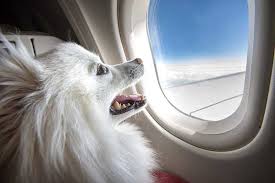
Airlines strictly forbid the transportation of sedated animals. If cargo staff notice a dog appears drugged, wobbly, or heavily lethargic during the pre-flight inspection, boarding is instantly denied. Crate training the dog meticulously for six months prior to the flight is the absolute only safe way to manage travel anxiety.
🐾 Snoutbit Pro-Tip: Freeze a large, durable water bowl solid the night before the international flight and attach it to the inside of the crate door. The ice will slowly melt during the transit to Asia, providing continuous hydration without spilling everywhere during steep runway takeoffs.
What To Do Next
Securing a safe, legally compliant international relocation requires abandoning last-minute planning and strictly executing biological timelines. By actively preparing the correct import permits and verifying microchip technology, handlers guarantee their devoted companions clear customs seamlessly.
Here are two simple, immediate steps to take today to kickstart the international move:
- Book The Microchip Verification: Schedule a brief veterinary appointment this afternoon specifically to scan the dog’s back with a 15-digit ISO reader. Confirming the chip reads flawlessly ensures all subsequent blood tests and expensive rabies titers are legally valid and permanently linked to the dog.
- Research The Import Permit: Visit the official agricultural government website of the destination Asian country tonight to download their specific canine import application. Mapping out their unique waiting periods establishes the exact timeline required for the entire relocation process.
Disclaimer: The content on Snoutbit.com is for informational and educational purposes only and is not intended to replace professional veterinary advice, diagnosis, or treatment. Always consult with your veterinarian before making significant changes to your dog’s diet, exercise routine, or health regimen.