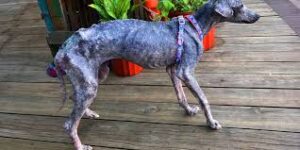
Cleaning up a liquid canine mess at three in the morning leaves exhausted pet parents desperately searching the kitchen pantry for a rapid medical solution. Generic internet advice constantly screams to immediately feed a massive bowl of rice, but completely fails to specify the exact type, temperature, or critical cooking method. Feeding the wrong grain, or serving it completely undercooked, violently forces the inflamed canine gut to overwork, rapidly transforming a mild stomach ache into a highly expensive veterinary emergency.

Successfully utilizing rice as a targeted dietary tool strictly demands advanced nutritional mechanics and precise biological preparation. By completely understanding exactly how a dog’s internal machinery processes complex carbohydrates, handlers can flawlessly leverage this powerful pantry staple to instantly calm severe digestive chaos.
Canine Carbohydrate Digestion: Overview Mind Map
- The White Rice Bandage: Why stripped, heavily processed white rice is the absolute gold standard for instantly halting explosive canine diarrhea.
- The Brown Rice Burden: Understanding exactly how the heavy fibrous bran layer in brown rice aggressively forces a healing stomach to severely overwork.
- The Starch Transformation: Recognizing the massive biological importance of intentionally overcooking rice to successfully shatter complex starch molecules prior to feeding.
- The Toxic Additives: How innocent-looking human seasonings like garlic powder and heavy sodium instantly create a highly lethal canine toxicity crisis.
🚨 Vet Fact: Dogs completely lack the specific salivary enzyme known as amylase, which actively begins breaking down complex starches directly inside the human mouth. Because canines physically swallow food entirely whole, the massive biological burden of successfully digesting complex rice carbohydrates falls entirely on the stomach and pancreas.
Advanced Insight 1: The Starch Gelatinization Hack
Most handlers prepare rice for their dog exactly how they would cook it for an elegant human dinner party: fluffy, perfectly separated, and slightly firm. Elite veterinary nutritionists understand this culinary perfection is a massive biological error when dealing with a highly inflamed, severely compromised canine digestive tract. An upset canine stomach physically requires heavy carbohydrates to be actively broken down to their absolute most basic, microscopic molecular level entirely before ingestion.
The definitive biological hack requires intentionally overcooking completely plain white rice with a massive excess of highly filtered water. Handlers must aggressively boil the grain until it physically collapses into a thick, heavily gelatinous, glue-like paste. This specific thermal process, clinically known as starch gelatinization, completely destroys the highly complex, rigid plant cell walls.

This highly gelatinous paste acts exactly like a heavy biological sponge, aggressively absorbing highly acidic, toxic excess fluid directly from the chaotic canine colon. It flawlessly coats the raw, heavily irritated intestinal lining, instantly soothing severe abdominal cramping and successfully halting the terrifying liquid diarrhea loop.
Take the highly intense reality of managing a terrified stray recently pulled into a bustling local animal rescue facility. The deeply stressed dog arrived suffering from violent, stress-induced gastrointestinal shock, entirely completely refusing hard commercial kibble for several days. Dedicated rescue volunteers brilliantly deployed heavily overcooked, soupy white rice mixed with ultra-lean boiled chicken, instantly stabilizing the fragile gut and safely delivering critical cellular hydration.
🐾 Snoutbit Pro-Tip: Never serve freshly cooked rice directly out of a hot boiling pot to a highly hungry, frantically waiting dog. Rapidly spread the heavily cooked, gelatinous rice completely flat across a wide metal baking sheet and strictly place it in the refrigerator to safely and instantly eliminate highly dangerous thermal hot spots.
Advanced Insight 2: The Arsenic Wash Protocol
While plain rice is incredibly safe and highly beneficial, modern global agricultural practices have accidentally introduced a completely hidden, highly concerning heavy metal threat. Rice plants operate exactly like massive biological sponges completely submerged in deeply flooded fields, actively absorbing heavy trace amounts of inorganic arsenic directly from the groundwater. Chronic, daily exposure to high arsenic levels violently damages the highly delicate canine central nervous system over several years.
Handlers absolutely must completely abandon the highly convenient, everyday practice of pouring raw, unwashed rice directly from the plastic bag into the boiling pot. Successfully protecting a beloved dog requires aggressively executing a strict, non-negotiable arsenic wash protocol entirely before the physical cooking process begins. This step flawlessly protects the fragile canine liver and kidney filtration systems.
Place the exact required amount of raw white or brown rice directly into a highly porous, fine metal mesh strainer. Aggressively rinse the raw grains completely under highly pressurized, freezing cold running water until the runoff liquid transitions from completely milky white to absolutely crystal clear. This highly simple, massively effective physical agitation successfully strips away a massive percentage of the toxic surface arsenic, flawlessly guaranteeing absolute biological safety for the dog.
Advanced Insight 3: The Phytic Acid Trap in Brown Rice
When a dog is completely healthy and producing highly firm stools, owners frequently attempt to upgrade their daily dietary fiber by heavily introducing complex brown rice. While perfectly safe for a highly robust, fully operational canine gut, brown rice possesses a completely hidden, heavily natural plant defense mechanism clinically known as phytic acid. This specific chemical compound naturally resides entirely inside the dense, fibrous outer bran layer of the whole, unpolished grain.
Phytic acid operates exactly like a highly aggressive biological magnet completely inside the active canine gastrointestinal tract. It actively binds directly to highly critical essential minerals like calcium, zinc, and heavy iron, violently preventing the dog’s body from successfully absorbing these vital daily nutrients. Feeding massive, completely unregulated volumes of brown rice every single day practically guarantees a slow, entirely silent nutritional deficiency over time.
Consider the highly frustrating reality of a heavily athletic, completely healthy sporting breed transitioning to a premium homemade daily diet. The well-meaning owners heavily relied on highly dense brown rice to successfully provide massive, long-lasting cardiovascular energy for intense weekend mountain hikes. Unfortunately, the massive, highly complex fiber load violently overwhelmed the dog’s digestive tract, triggering relentless, highly painful gas and incredibly loose, unformed stools until simple white rice was successfully reintroduced.
🚨 Vet Fact: A dog’s primary biological energy source should always strictly remain highly bioavailable animal proteins and completely healthy, easily digestible animal fats. Complex carbohydrates exactly like heavily cooked rice should absolutely never exceed a strict ten percent maximum of the dog’s completely balanced total daily caloric intake.
Executing The Bland Diet Strategy
When utilizing rice strictly as a highly targeted medical tool for acute diarrhea, achieving perfect mathematical portion control is completely non-negotiable. Feeding a massive, highly dense bowl of pure rice violently shocks the exhausted pancreas, frequently triggering severe, highly dangerous post-meal bile vomiting. The canine digestive tract physically requires a highly structured, mathematically precise fasting and slow reintroduction period.
Following an absolute, strictly enforced twelve-to-twenty-four-hour fasting period, handlers must gently introduce the highly gelatinous, perfectly cooled white rice. Mathematically divide the dog’s standard daily caloric volume into exactly six tiny, microscopic physical meals evenly spaced throughout the entire waking day. Mix the plain white rice with an ultra-lean, completely heavily boiled protein strictly utilizing a highly calculated two-to-one carbohydrate-to-protein ratio.

Once the recovering dog successfully produces a highly firm, completely perfectly formed stool for exactly forty-eight continuous hours, the therapeutic medical diet is complete. Handlers must then execute an incredibly slow, highly methodical five-day dietary transition, gently mixing the rice entirely out while successfully phasing the premium daily kibble completely back into the bowl.
What To Do Next
- Execute the Pantry Audit: Walk directly into the kitchen right now and strictly verify that exactly one completely unopened bag of standard, short-grain white rice is permanently stored for late-night medical emergencies. Instantly completely discard any highly dangerous pre-packaged rice boxes heavily containing violent human seasonings, toxic dried onions, or massive amounts of artificial sodium.
- Deploy the Arsenic Strainer: Immediately locate a highly durable, fine metal mesh strainer and place it completely front-and-center inside the primary cooking cabinet today. Establishing this physical tool as a highly visible daily reminder flawlessly guarantees the highly critical arsenic cold-water wash protocol is never accidentally skipped entirely during a frantic late-night diarrhea crisis.
Disclaimer: The content on Snoutbit.com is for informational and educational purposes only and is not intended to replace professional veterinary advice, diagnosis, or treatment. Always consult with your veterinarian before making significant changes to your dog’s diet, exercise routine, or health regimen.