
Returning home from a long, exhausting workday only to discover shredded sofa cushions and completely chewed baseboards triggers massive household panic. The constant, terrifying anxiety of wondering what expensive household item the dog will completely destroy next pushes dedicated pet parents to their absolute breaking point. The immediate, highly effective solution requires entirely ditching the standard metal food bowl and aggressively redirecting that frustrated canine energy into high-value interactive puzzles.
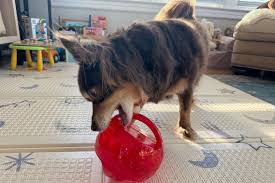
The absolute biggest takeaway is that destructive canine boredom is rarely a lack of physical exercise; it is a severe lack of cognitive challenge. Dogs are biological scavengers hardwired to actively hunt, sniff, and dissect to earn their daily caloric intake. Providing the best interactive dog toys for boredom perfectly satisfies these deeply ingrained ancestral urges, instantly curing bad habits and saving thousands of dollars in property damage.
Canine Enrichment: Overview Mind Map
- Core Objective: Forcing the dog to actively utilize their brain and olfactory senses to acquire food, rapidly burning off excess mental energy.
- The Licking Action: Utilizing frozen rubber toys to trigger massive, highly calming endorphin releases directly into the canine bloodstream.
- The Foraging Action: Utilizing snuffle mats and wobble toys to perfectly simulate the natural, exhausting hunt for small prey.
- Dangerous Mistakes: Leaving a bored dog entirely alone with hard plastic puzzles they can easily shatter and violently ingest.
🐾 Snoutbit Pro-Tip: Never introduce a brand new, highly complex interactive puzzle right as the front door closes for a long workday. Always supervise the very first interaction to absolutely guarantee the dog understands the exact physical mechanics and does not attempt to aggressively chew the plastic components.
Why mindless physical exhaustion completely fails
Millions of exhausted owners desperately try to cure canine boredom by throwing a tennis ball at the local park for two straight hours. While physical conditioning is incredibly important for cardiovascular health, it completely fails to exhaust the actual canine brain. This repetitive physical routine accidentally creates a super-athlete dog with massive stamina that still entirely lacks an off-switch inside the living room.
Mental enrichment forcefully drains the canine “battery” far faster than simple physical running ever could. When a dog is forced to meticulously sniff out a hidden piece of kibble or physically figure out how to unwedge a frozen treat, their brain works in absolute overdrive. This intense cognitive focus leaves the dog completely satisfied, biologically tired, and ready to immediately sleep on the couch for the rest of the afternoon.
Consider the reality of an energetic working breed that developed a severe obsession with gnawing on newly installed, custom asymmetrical kitchen cabinets. The owners were absolutely desperate, watching expensive, perfectly staggered woodwork get completely shredded while the dog remained entirely under-stimulated. By immediately ditching the standard food bowl and feeding every single meal through a heavy-duty, interactive wobble toy, the costly cabinet destruction stopped completely within forty-eight hours.
Advanced Insight 1: Safely Satisfying The Dissection Drive
Generic pet articles constantly recommend buying incredibly tough, indestructible chew toys for dogs that relentlessly destroy stuffed plushies. This advice completely ignores the deeply hardwired canine “dissection drive,” which is the intense biological urge to physically rip, tear, and shred an object apart. Handing a dissecting dog a perfectly smooth, solid rubber block is intensely frustrating because it completely denies them the satisfying mechanical action of tearing.
Elite behavioral consultants satisfy this massive urge safely through highly supervised, controlled destruction puzzles. Take a heavy-duty rubber “Hol-ee Roller” ball and tightly stuff it entirely full of old, cut-up cotton t-shirts with high-value treats securely hidden inside the fabric folds. The dog gets to violently rip the fabric pieces out of the rubber ball, perfectly simulating the dissection of prey, without actually destroying the expensive toy or swallowing dangerous polyester stuffing.
Alternatively, saving simple cardboard shipping boxes provides a completely free, highly effective boredom buster. Toss a handful of premium kibble inside a small cardboard box, tape it entirely shut, and let the dog aggressively rip the box to shreds to earn their dinner. This completely redirects the destructive tearing urge away from expensive living room pillows and onto entirely safe, disposable recycling.
🚨 Vet Fact: If a dog is a known resource guarder or possesses a dangerous history of actively swallowing large, non-food items, strictly avoid cardboard destruction games. Always consult with a certified veterinary behaviorist before introducing any easily shredded material to a dog prone to severe gastrointestinal blockages.
Advanced Insight 2: Managing Frustration Thresholds
A massive, highly common mistake owners make is purchasing an incredibly advanced, level-three puzzle board for a dog that has never successfully solved a puzzle before. The dog excitedly approaches the complex toy, completely fails to open the tiny sliding compartments, and instantly hits a massive frustration threshold. Instead of engaging their brain, the deeply frustrated dog either entirely abandons the toy or forcefully flips it over and shatters the plastic in sheer anger.
Interactive dog toys for boredom absolutely must be introduced at a microscopic difficulty level to heavily build canine confidence. If utilizing a classic stuffed rubber Kong, do not freeze it completely solid on the very first day. Loosely pack the toy with dry kibble and a tiny smear of high-value meat paste right near the opening, guaranteeing the food falls out incredibly easily.
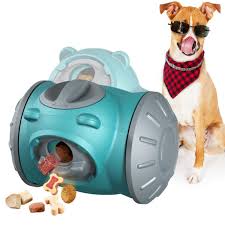
Once the dog learns that interacting with the specific rubber toy perfectly equals an immediate, high-value payday, the difficulty can be slowly increased over weeks. Tightly packing the food, utilizing wet kibble, and eventually freezing the entire toy completely solid creates an exhausting, hour-long challenge. Slowly building this frustration tolerance actively prevents the dog from giving up and rapidly builds immense cognitive resilience.
The Calming Magic Of Repetitive Licking
When a dog is highly anxious, bored, or entirely overstimulated, they require an immediate biological release valve to safely lower their internal heart rate. The physical, repetitive action of licking a textured surface is scientifically proven to release massive amounts of serotonin and dopamine directly into the canine brain. This acts as an entirely natural, highly effective biological sedative for an overly hyperactive animal.
Textured licking mats spread with healthy, single-ingredient proteins are the absolute ultimate tool for forcing a busy dog to quietly settle. Smearing plain Greek yogurt, mashed sweet potato, or pure pumpkin puree across a silicone mat and freezing it creates a highly soothing, thirty-minute activity. This specific interactive feeding method is incredibly effective for keeping a dog perfectly still during highly stressful household events like loud thunderstorms or dreaded nail trims.
Take the heartbreaking case of a highly traumatized stray dog recently pulled directly from a loud, crowded municipal pound. The dog was completely terrified of human hands and paced the living room relentlessly, entirely unable to simply lie down and rest. Introducing a heavily loaded snuffle mat and a frozen licking toy allowed the rescue dog to actively self-soothe through natural foraging, rapidly building environmental confidence without forcing terrifying physical contact.
🐾 Snoutbit Pro-Tip: Always meticulously check the ingredient labels on any peanut butter utilized for stuffing interactive toys. Many popular, sugar-free human peanut butter brands heavily utilize xylitol (also labeled as birch sugar), which is incredibly toxic and rapidly fatal to all canines.
Advanced Insight 3: The Complete Caloric Hijack
Many dedicated owners completely resist using interactive food toys because they deeply fear their dog will rapidly gain massive amounts of unhealthy weight. They incorrectly assume that puzzle toys require handing out hundreds of extra, highly caloric treats on top of the dog’s normal daily meals. Elite trainers utilize a highly advanced protocol known as the complete caloric hijack to entirely solve this issue.
Immediately take the dog’s standard metal food bowl and permanently store it away in a dark kitchen cabinet. Every single piece of daily kibble the dog requires for proper nutrition must now be earned strictly through interactive puzzle toys or active training sessions. The dog is not receiving a single extra calorie; they are simply being forced to actively work for their existing biological paycheck.

Dividing the dog’s standard morning breakfast into three different wobble toys and scattering them across the living room perfectly simulates an exhausting morning hunt. This effortlessly burns off massive amounts of hyperactive morning energy, entirely preventing the dog from pacing the house or barking out the front window. Ditching the free-feeding bowl is the absolute fastest, most effective behavioral modification a pet parent can ever execute.
What To Do Next
- Execute the Cardboard Test: Grab a completely empty, clean cardboard box today, toss exactly ten pieces of kibble inside, and leave the top flaps entirely open. Allow the dog to confidently investigate and pull the kibble out to immediately gauge their natural foraging drive and initial problem-solving confidence.
- Start the Freezer Stash: Purchase three highly durable, stuffable rubber toys and prepare them all simultaneously on a quiet Sunday afternoon. Tightly pack them with the dog’s daily kibble, seal the large hole with a spoonful of wet food, and keep them stacked in the freezer for immediate deployment during highly chaotic work-from-home meetings.
Disclaimer: The content on Snoutbit.com is for informational and educational purposes only and is not intended to replace professional veterinary advice, diagnosis, or treatment. Always consult with your veterinarian before making significant changes to your dog’s diet, exercise routine, or health regimen.