
Staring at a bag of dry, brown pellets and wondering what “meat meal” actually means creates massive daily anxiety. The constant, terrifying wave of commercial pet food recalls leaves dedicated owners deeply worried they might be actively harming their best friend. Transitioning to a completely homemade fresh food diet feels like the ultimate solution to guarantee absolute canine safety.
The primary obstacle is that boiling chicken, steaming vegetables, and portioning meals every single night is incredibly exhausting. A dog food maker machine entirely solves this problem by automating the entire tedious culinary process. These clever countertop appliances combine the exact functions of a steamer, a slow cooker, and a heavy-duty food processor.
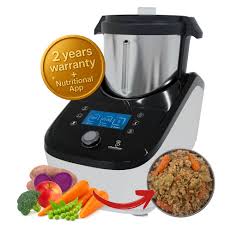
The biggest takeaway for any owner considering this kitchen upgrade is understanding the machine’s true purpose. An automated food maker eliminates the physical labor of chopping and cooking, but it absolutely does not formulate the diet. Owners must still rely entirely on board-certified veterinary nutritionists to provide the exact ingredient ratios required to keep the dog biologically healthy.
Canine Fresh Food Prep: Overview Mind Map
- Core Mechanics: Automated heating, programmable blending, timed dispensing.
- Primary Benefits: Total ingredient control, drastic reduction in prep time, elimination of dangerous commercial preservatives.
- Critical Operational Risks: High-heat vitamin destruction, dangerous internal bacterial biofilms, unbalanced calcium-to-phosphorus ratios.
- Ideal Canine Candidates: Rescued dogs with severe gut trauma, seniors missing teeth, and pets requiring highly strict, single-protein allergy diets.
How exactly does a dog food maker machine work?
Most premium automated canine cookers feature a large, stainless-steel central basin equipped with heavy-duty blending blades. Owners simply toss in the raw, bulk ingredients like whole carrots, lean turkey, and fresh spinach directly into the chamber. The machine then utilizes highly controlled steam or gentle conduction heating to thoroughly cook the raw ingredients without boiling away the essential cellular moisture.
Once the internal temperature sensor confirms the proteins are safely and fully cooked, the machine automatically transitions into the blending phase. The blades pulse the hot mixture down to a highly specific, pre-programmed consistency. This creates a perfectly uniform, easily digestible meal that stops clever dogs from picking out the meat and leaving the healthy vegetables behind.
🐾 Snoutbit Pro-Tip: Always dice highly fibrous vegetables like celery or tough sweet potatoes into smaller chunks before dropping them into the machine. While the internal blades are incredibly strong, long, stringy plant fibers can easily wrap around the central motor shaft and cause a permanent mechanical failure.
Does making dog food at home actually save money?
The initial financial investment for a high-quality countertop food maker often creates significant sticker shock. However, producing fresh canine meals at home utilizing bulk grocery store ingredients is drastically cheaper than purchasing pre-packaged, commercial fresh food subscriptions. The machine effectively pays for itself within the first six months simply by eliminating exorbitant shipping costs and premium brand markups.
Furthermore, controlling the exact quality of the ingredients directly reduces long-term veterinary expenses. Feeding a highly bioavailable, fresh diet actively supports a robust immune system and maintains a healthy weight. Preventing obesity and diet-related inflammation saves owners thousands of dollars in future orthopedic surgeries and chronic allergy medications.
How do automated cookers help dogs with severe allergies?
Commercial kibble factories process multiple different animal proteins on the exact same manufacturing equipment. This frequent cross-contamination makes it entirely impossible to guarantee a bag of commercial food is truly free of hidden chicken or beef proteins. For a highly allergic dog, even a microscopic trace of the wrong protein triggers intense, full-body itching and painful ear infections.
Consider a severely emaciated stray dog pulled directly from a crowded municipal pound. Years of scavenging street garbage left the dog with chronic intestinal inflammation and a complete inability to digest complex commercial dry food. Utilizing a programmable food maker allowed for the exact, daily batch-cooking of a soothing, single-protein diet that permanently healed the traumatized gut.
By operating a dedicated machine inside the home, the owner acts as the strict quality control manager. Every single ingredient is visually inspected and verified before it enters the cooking chamber. This isolated, tightly controlled environment is the absolute only way to successfully execute a flawless dietary elimination trial.
🚨 Vet Fact: Over ninety percent of true canine food allergies are triggered by the primary animal protein source, not the grain content. Successfully identifying the specific allergen requires a strict eight-week feeding trial, which is highly simplified by using a sterilized, dedicated home cooking machine.
Three advanced, expert-level secrets for automated meal prep
Generic instruction manuals simply tell owners to press the start button, but elite nutritional management requires much deeper execution. Implementing these three highly specific, advanced strategies drastically elevates the nutritional safety and mechanical lifespan of the appliance.
- The Thermal Degradation Trap: Most owners mistakenly dump expensive, veterinary-grade vitamin powders into the machine before hitting the cook button. High-heat cooking cycles instantly destroy delicate synthetic nutrients, specifically essential amino acids like taurine and fragile B-vitamins. Always wait until the cooked food has completely cooled to room temperature before mixing in the required nutritional supplements.
- The Micro-Biofilm Threat: The dispensing tubes and internal metal blades of these appliances are notoriously difficult to sanitize. Raw meat fats easily hide in microscopic scratches, quickly creating a toxic, invisible bacterial biofilm. Owners must run a dedicated cleaning cycle utilizing highly diluted white vinegar and hot water through the empty machine twice a week to guarantee absolute sanitation.
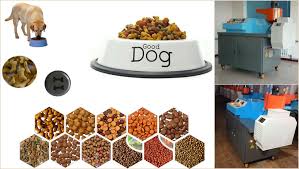
- The Plant-Based Extrusion Binder: When attempting to make homemade kibble or dehydrated treats, the mixture often crumbles into useless dust. Utilizing a complex carbohydrate like boiled sweet potato or a safe binding agent like agar-agar provides a necessary structural matrix. This crucial step ensures the machine can successfully extrude the wet mixture into perfectly shaped, easily storable dry pellets.
Can these machines prepare vegan or plant-based dog diets?
Preparing a completely vegan or plant-based canine diet requires intense culinary precision to break down highly resilient plant cell walls. A dog’s digestive tract is significantly shorter than a human’s, making it very difficult for them to extract nutrients from raw, fibrous legumes. A heavy-duty food maker machine effectively pressure-cooks tough lentils, chickpeas, and root vegetables down to an ultra-soft consistency.
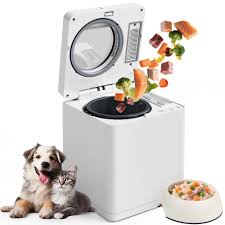
This intense mechanical breakdown ensures the dog can actually absorb the vital, plant-based amino acids rather than passing them whole. The automated blending cycle completely homogenizes the plant proteins, creating a highly palatable, easily digestible nutrient paste. For households managing veterinary-approved, meat-free canine diets, these machines are an absolute necessity for proper biological absorption.
🐾 Snoutbit Pro-Tip: When cooking heavily plant-based meals, always add a canine-safe source of healthy dietary fat, like a spoonful of organic coconut oil, after the cooking cycle finishes. Fat is strictly required for the dog’s body to successfully absorb fat-soluble vitamins like A, D, E, and K from the cooked vegetables.
Why are automated processors ideal for senior dogs?
As dogs enter their advanced senior years, their dietary needs drastically shift toward requiring softer, highly aromatic foods. Severe dental disease, missing teeth, or painful inflamed gums make crunching down on hard commercial kibble a miserable, agonizing experience. An automated dog food maker effortlessly purées fresh meat and vegetables into a perfectly smooth, pain-free consistency.
Furthermore, senior dogs frequently lose their appetite due to a naturally declining sense of smell. Food served directly from the refrigerator holds very little aromatic appeal to an aging canine. An automated machine gently warms the fresh food to the exact temperature of live prey, releasing intense, savory aromas that instantly trigger a reluctant senior dog to empty their bowl.
🚨 Vet Fact: Heating canine food slightly above room temperature drastically increases its palatability by vaporizing the fat molecules. This specific olfactory stimulation is highly effective for encouraging dogs with chronic kidney disease or chemotherapy-induced nausea to consume their required daily calories.
What To Do Next
- Secure a Clinical Recipe Today: Before ordering a machine, immediately schedule a consultation with a board-certified veterinary nutritionist (ACVN). Do not rely on random internet blogs for canine recipes; secure a scientifically balanced, highly specific formulation designed explicitly for the dog’s exact weight and medical history.
- Establish a Freezer Rotation Protocol: Fresh, homemade dog food contains absolutely zero chemical preservatives and spoils rapidly in the refrigerator. Purchase a set of airtight, silicone freezing molds to portion out the freshly cooked batches immediately. Transfer three days’ worth of meals to the fridge to thaw, keeping the rest completely frozen to prevent dangerous bacterial growth.
Disclaimer: The content on Snoutbit.com is for informational and educational purposes only and is not intended to replace professional veterinary advice, diagnosis, or treatment. Always consult with your veterinarian before making significant changes to your dog’s diet, exercise routine, or health regimen.