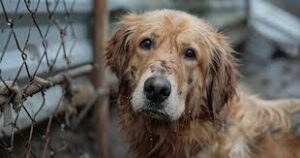
Watching a joyful dog bound through a muddy dog park is a beautiful sight until it is time to load them back into a clean car. The endless frustration of mud-caked paws destroying light-colored living room rugs creates intense daily stress for busy pet parents. Dragging a heavy, reluctant dog into the bathtub every single afternoon simply is not a sustainable or realistic solution.
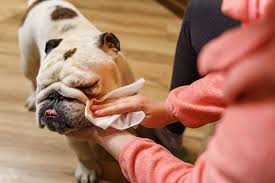
The absolute fastest way to maintain household cleanliness without stripping the dog’s natural coat oils is utilizing premium, canine-specific grooming wipes. The biggest takeaway for owners is that wiping down a dog’s paws and underbelly immediately after a walk mechanically removes microscopic pollens, lawn chemicals, and road salts. This simple thirty-second daily routine completely stops aggressive environmental allergens from penetrating the skin barrier, halting chronic itching before it even begins.
Can you use human baby wipes on a dog?
The pet care aisle is expensive, tempting many families to simply buy bulk packages of cheap human baby wipes. This seemingly harmless cost-saving hack actually inflicts severe, invisible damage on a dog’s epidermal layer. The biological composition of human skin is vastly different from a canine’s sensitive coat.
Humans naturally possess a highly acidic skin mantle, meaning baby wipes are strictly formulated with a low pH to match that acidity. Dogs, however, require a highly alkaline environment to maintain healthy hair follicles and repel surface bacteria. Vigorously scrubbing a dog’s paws with an acidic baby wipe entirely strips their protective lipid barrier, leading to painful, cracking paw pads and severe yeast infections.
🚨 Vet Fact: Canine skin pH hovers between 7.0 and 7.52, which is significantly more alkaline than human skin. Using human-grade hygiene products on dogs creates an acidic, unbalanced skin environment where destructive bacterial colonies aggressively thrive.
Why do dogs need their paws wiped after walking?
Urban and suburban environments across the United States are heavily saturated with invisible, highly toxic chemical threats. Walking a dog through a perfectly manicured neighborhood means their paws are constantly absorbing harsh chemical fertilizers, weed killers, and toxic pest deterrents. When the dog returns home and naturally licks their paws to self-groom, they actively ingest those poisonous compounds.
During brutal US winter storms, heavily salted sidewalks present an entirely different, agonizing threat. Commercial ice-melting chemicals cause severe chemical burns on unprotected paw pads if left to sit for hours. A thorough wipe down the moment the dog steps through the front door guarantees these toxic salts are safely removed before cellular tissue damage occurs.
What are the best dog wipe ingredients to look for?
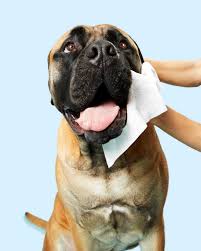
The pet industry remains largely unregulated, allowing manufacturers to fill grooming wipes with cheap, harsh chemical astringents. Reading the back of the ingredient label is the only way to guarantee the product will soothe the skin rather than inflame it. Prioritize products boasting an ultra-short ingredient list strictly featuring natural, plant-based soothers.
- Aloe Vera: Provides massive, immediate cooling relief for paws irritated by hot summer asphalt.
- Colloidal Oatmeal: Actively binds to the skin to lock in crucial hydration and naturally calm itchy, inflamed bug bites.
- Chamomile Extract: A highly effective, gentle botanical that neutralizes odor-causing bacteria without using harsh synthetic perfumes.
Always aggressively avoid any dog wipes containing isopropyl alcohol, parabens, or heavy synthetic fragrances. Alcohol instantly dries out the sensitive skin between the toes, directly causing the dog to obsessively chew their paws to relieve the sudden, tight discomfort.
🐾 Snoutbit Pro-Tip: Heavily scented grooming wipes often trigger reverse sneezing or intense sinus irritation in dogs with sensitive respiratory tracts. Always opt for completely unscented, hypoallergenic wipes to ensure the grooming process remains relaxing and stress-free.
How do you clean dog facial folds and wrinkles?
Brachycephalic (flat-faced) breeds require intense, specialized daily maintenance to prevent severe dermatological rot. Consider the case of a young Bulldog owner in Florida who constantly battled a foul, rancid odor coming from the dog’s face. They were washing the dog weekly, but completely ignoring the deep, dark skin folds flanking the dog’s nose.
These deep facial wrinkles create a perfectly dark, intensely humid incubator for natural skin yeast to multiply entirely out of control. Using a gentle, anti-fungal dog wipe to clean out the trapped dirt, food debris, and eye discharge is absolutely mandatory. Once the owner began swabbing the Bulldog’s wrinkles daily, the foul odor vanished completely within forty-eight hours.
What are advanced dog wiping secrets the pros use?
Standard advice simply says “wipe the dog,” but elite grooming requires strategic, biologically appropriate implementation. Utilizing these three highly specific, advanced tactics drastically elevates the efficacy of daily wiping routines.
- The “Post-Wipe Dry Dab” Rule: This is the most critical mistake owners make with wrinkly breeds like Frenchies or Pugs. After running a wet wipe through the facial folds, the area must be meticulously dabbed bone-dry with a clean tissue. Leaving the deep wrinkle damp from the wipe literally provides the exact moisture yeast needs to trigger a massive, painful infection.
- The Strict “Top-to-Bottom” Protocol: Never cross-contaminate the dog’s highly sensitive mucosal zones. Always wipe the delicate eye area first, move down to the muzzle, transition to the main body coat, and finish by scrubbing the dirty paws. Using a wipe on a mud-caked paw and then immediately wiping the dog’s eye guarantees a severe bacterial conjunctivitis infection.
- The “Reverse Grain” Undercoat Technique: For double-coated breeds like Golden Retrievers or Huskies, wiping the top layer of fur achieves absolutely nothing. The wipe must be pushed aggressively backward, against the natural grain of the hair growth. This physical friction allows the textured wipe to penetrate down to the actual skin level, lifting away trapped dander and deeply embedded pollen grains.
Are chlorhexidine dog wipes safe for everyday use?
Medicated wipes containing chlorhexidine are incredibly powerful, clinical tools utilized to fight active skin infections. They are highly effective at neutralizing aggressive staph bacteria and resolving severe, oozing hot spots quickly. However, they are absolutely not designed for casual, everyday mud removal.
Using medicated, anti-bacterial wipes daily acts exactly like taking human antibiotics when you are not sick. It completely destroys the dog’s natural, healthy skin microbiome, essentially stripping away their first line of biological defense. Reserve chlorhexidine wipes strictly for active flare-ups or when explicitly directed by a veterinary dermatologist.
🚨 Vet Fact: Chronic, aggressive use of heavily medicated anti-bacterial wipes actually forces surface bacteria to mutate. This careless overuse directly contributes to the rise of terrifying, antibiotic-resistant superbugs on the canine skin barrier.
How to manage canine tear stains with grooming wipes?
Those dark, rusty-red streaks running down a white dog’s face are incredibly stubborn and highly frustrating for owners. These stains are caused by porphyrins, naturally occurring iron-containing molecules excreted through canine tears and saliva. When these porphyrins sit on the fur and oxidize in the sunlight, they dye the hair a permanent, dark rust color.
Standard water or generic body wipes cannot break down these complex iron molecules. Eliminating tear stains requires a specialized facial wipe containing very mild, canine-safe enzymatic cleansers. Wiping the corners of the eyes twice daily prevents the tears from sitting long enough to oxidize, completely stopping new stains from forming at the root source.
Are flushable dog wipes actually safe for plumbing?
The pet care market is heavily saturated with convenient wipes falsely advertised as completely “flushable” or biodegradable. Do not fall for this deceptive, costly marketing terminology. Plumbers across the United States continually warn that these thick, durable fabrics do not break down rapidly like standard toilet paper.
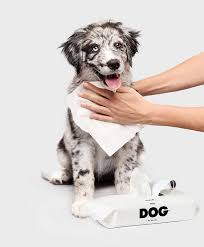
Flushing dog wipes heavily contributes to massive, destructive blockages deep within residential sewer lines. These clogs cause raw sewage to violently back up into household bathtubs, resulting in thousands of dollars in emergency plumbing repairs. Always dispose of heavily soiled grooming wipes directly into a securely lidded, dog-proof trash receptacle.
How do you store dog wipes so they never dry out?
Nothing is more infuriating than wrestling a muddy dog with one hand, only to open a brand-new container of grooming wipes and discover they are completely bone dry. The primary cause of this moisture loss is failing to properly seal the delicate plastic flap covering the dispenser hole. Air easily seeps through this compromised barrier, evaporating the gentle cleaning solutions in days.
Always purchase dog wipes featuring a hard, snap-locking plastic lid rather than a cheap adhesive sticker seal. If the wipes do begin to feel slightly dry, do not throw them away immediately. Pouring two tablespoons of distilled water directly into the package and letting it sit overnight flawlessly rehydrates the entire stack without diluting the botanical ingredients.
🐾 Snoutbit Pro-Tip: Store the hard-plastic wipe dispenser completely upside down in the mudroom cabinet. Gravity forces the cleaning solution to continuously pool at the top of the stack, guaranteeing the very first wipe pulled is always perfectly saturated and ready for muddy paws.
What To Do Next
- Conduct a pH Audit: Go to the grooming supplies cabinet right now and read the labels on any wipes currently used on the dog. If they are human baby wipes, makeup remover pads, or heavily scented household cleaning cloths, throw them directly in the trash to prevent further skin barrier destruction.
- Establish a Mudroom Station: Create a highly visible, easily accessible “paw station” directly next to the primary entry door tonight. Place a fresh pack of unscented, canine-specific wipes alongside a small towel, ensuring the tools are within arm’s reach before the muddy dog ever steps onto the living room carpet.
Disclaimer: The content on Snoutbit.com is for informational and educational purposes only and is not intended to replace professional veterinary advice, diagnosis, or treatment. Always consult with your veterinarian before making significant changes to your dog’s diet, exercise routine, or health regimen.