
The Puppy Blues: You Are Not Alone in This Struggle
Did you know nearly 70% of new owners experience a severe wave of regret known as the “puppy blues”? Yes, all you need to do to make your dog become a dream dog is survive their developmental phases using strict management, enforced naps, and consistent positive reinforcement. You are absolutely not alone in feeling completely overwhelmed right now.
Puppies are essentially furry toddlers equipped with razor-sharp teeth and absolutely zero impulse control. They will bite your hands, ruin your carpets, and completely disrupt your sleep schedule without remorse. However, I promise you this nightmare phase is entirely temporary, and your hyperactive monster will eventually mature into a calm companion.
The Reality Check: Why You Are Struggling Right Now
The Biology of Canine Hyperactivity
The root of your problem is biological; puppies possess an entirely undeveloped prefrontal cortex. This is the specific area of the brain strictly responsible for impulse control and logical decision-making. Because this neural pathway is immature, your puppy literally cannot calm themselves down when overstimulated by their environment.
They operate purely on primal instinct, treating every moving object as a high-value plaything or a chew toy. Understanding this physiological limitation is the first crucial step in saving your sanity and preserving your bond. They are not acting out of malice or spite; they simply lack the neurological maturity to behave like a calm, settled adult.

The Breaking Point of Sleep Deprivation
The situation rapidly agitates when your teething puppy decides that 3:00 AM is the perfect time to demand loud attention. The constant, unrelenting vigilance required to prevent indoor potty accidents leaves new owners clinically sleep-deprived and emotionally fragile. You likely feel deeply resentful toward the animal you originally thought would bring you immense joy and relaxation.
If you continue treating your puppy like a fully matured adult dog, this chaotic behavior will permanently cement into destructive habits. You must intervene right now to protect your home and aggressively reshape their daily routine.
The Foundation of a Dream Dog: Strict Management
Mastering Environmental Control
The absolute definitive solution to stopping bad behavior is making it physically impossible for the dog to perform. You must aggressively restrict your puppy’s access to the entire house using heavy-duty barriers. If they cannot physically reach your expensive baseboards or favorite shoes, they cannot destroy them.
To properly puppy-proof your home, immediately implement these strict environmental rules:
- Secure the perimeter: Remove all electrical cords, toxic house plants, and small swallowable objects from the floor level.
- Utilize baby gates: Block off staircases and expensive carpeted rooms where you cannot offer 100% undivided supervision.
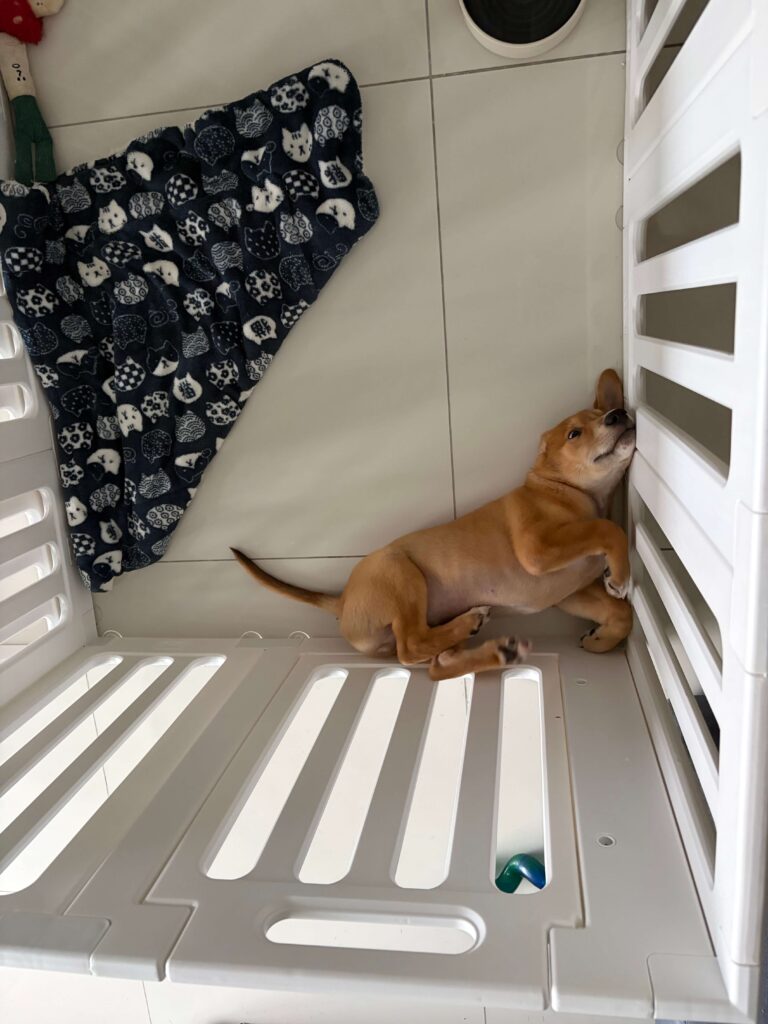
- Establish a safe zone: Create an exercise pen equipped with appropriate chew toys and an open crate for safe, independent play.
The Magic of Enforced Naps
Puppies require an astonishing 18 to 20 hours of sleep every single day to support their rapid neurological and physical development. Unlike human babies, puppies will fiercely fight sleep until they transform into aggressive, biting monsters. You must utilize strict crate training to enforce mandatory naps throughout the day, removing their choice entirely.
Implement a rigid schedule: for every one hour your puppy is awake and playing, they must spend two hours locked in a dark, quiet crate. This single routine modification will instantly eliminate 80% of their manic, overtired biting behavior.
Critical Training Pillars for Fast Maturity
Prioritizing Early Socialization
A dream dog is fundamentally a confident, unbothered dog that ignores unpredictable environmental triggers. You must actively expose your puppy to diverse sounds, surfaces, and safe environments before their critical socializationwindow closes at 16 weeks. Proper socialization is absolutely not about forcing them to greet every stranger; it is about teaching them total neutrality.
Carry them through noisy hardware stores or sit outside busy grocery stores, heavily rewarding them with treats for simply watching the chaos calmly. This proactive training completely prevents dangerous, fear-based reactivity from developing during their teenage months.
Establishing Strict Bite Inhibition
Puppy teething is agonizing, but allowing them to gnaw on human flesh is a dangerous, unforgivable mistake. You must aggressively teach bite inhibition by immediately terminating all playtime the absolute second their teeth touch your skin. Stand up, turn your back, tuck your hands away, and completely ignore them for 30 seconds.
Consistency here is absolutely mandatory across your entire family; the puppy must learn that human skin is entirely off-limits. Once the 30-second penalty has passed, silently redirect their attention to a highly durable, veterinary-approved rubber chew toy.
Accelerating the Calming Process
Mental Fatigue Over Physical Exhaustion
Owners frequently try to exhaust their hyper puppies with long runs, which dangerously damages their joints and only builds the stamina of a canine athlete. To truly tire out a growing dog, you must heavily tax their brain, not just their physical muscles. Ten minutes of intensive trick training burns significantly more energy than a mindless two-mile walk around the neighborhood.
To build a bulletproof daily routine, implement these specific mental enrichment strategies:
- Ditch the bowl: Feed all their daily kibble exclusively through frozen Kongs, snuffle mats, or direct obedience training sessions.
- Practice the “Place” command: Teach your dog to remain on a specific dog bed until formally released, building massive impulse control.
- Engage the nose: Hide strong-smelling treats around your living room and command them to search, actively engaging their powerful olfactory system.

Surviving the Adolescent Regression
Just when you finally think your puppy is housebroken and perfectly polite, they will hit adolescence around seven to ten months of age. Surging hormones will cause them to completely “forget” their recall command and aggressively challenge your established boundaries. This teenage phase requires extreme patience and a temporary, strict return to basic foundational leash training.
Remember that absolutely no dog stays hyperactive forever; biological maturity naturally brings a calmer, steadier demeanor. Stick relentlessly to your strict management protocols, and you will soon be rewarded with the quiet, loyal companion you always envisioned.
Disclaimer: This article is for informational purposes only and does not constitute veterinary medical advice. Always consult with a licensed veterinarian before altering your pet’s diet, starting a new training regimen, or addressing health concerns.