Dealing with a hyperactive working breed that shreds your living room pillows because they are bored of the neighborhood block is exhausting. Standard pavement walking simply does not burn enough cognitive or physical energy for high-drive Australian dogs. They desperately need complex environmental challenges to truly tire out their active nervous systems. The ultimate solution to this intense boredom is participating in elite canine obstacle courses. The official Adventure Dog 2026 Yarra Valley competition results just proved that tackling four muddy kilometers is the absolute best way to bond with a chaotic canine companion.
What Were The Adventure Dog 2026 Yarra Valley Competition Results?
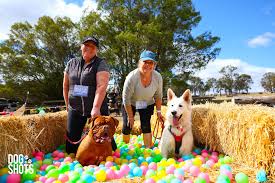
On April 12, Wandin Park Estate transformed into a massive, muddy playground for thousands of dedicated dog owners and their four-legged athletes. The event, hosted by Animal Aid, challenged participants to conquer twenty-five brutal obstacles spread across the picturesque Gruyere landscape. Rather than focusing strictly on timed placements, the true Adventure Dog 2026 Yarra Valley competition results highlighted massive community success, with teams raising over $66,000 to support homeless shelter animals.
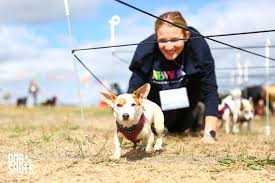
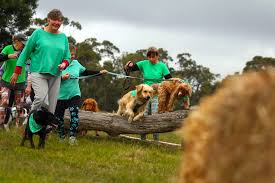
Watching powerful Staffies blast through thick mud trenches and agile Kelpies balance flawlessly over suspended logs was an absolute spectacle. This event is not about elite agility champions dominating the field; it is about everyday dogs building immense physical confidence alongside their humans. One notable highlight involved a previously fearful rescue Blue Heeler who successfully navigated the dreaded jelly pit, entirely thanks to the patient encouragement of their dedicated owner.
🐾 Snoutbit Pro-Tip: Never force a terrified dog over an obstacle they refuse to approach. Allow them to simply walk around the scary hurdle, heavily rewarding them with freeze-dried liver to keep the overall outdoor experience incredibly positive and stress-free.
How Do You Train A Dog For Cross-Country Obstacles?
Showing up on race day without proper physical preparation is a guaranteed recipe for torn canine ligaments and severe handler frustration. Running four kilometers on uneven, deeply rutted farm terrain requires advanced cardiovascular endurance and pristine joint health. Pet parents must slowly condition their dog’s soft tissue over several months, gradually transitioning from flat neighborhood sidewalks to rugged, unpredictable nature trails.
An advanced, frequently overlooked training secret is focusing heavily on canine proprioception, which is the dog’s spatial awareness of their own paws. Before ever attempting the wobbly bridges at Wandin Park, owners should practice balance exercises at home using inflatable canine conditioning peanuts or simple couch cushions. Teaching a dog exactly where their back feet are landing drastically reduces the risk of slipping off a slick, muddy A-frame during the actual event.
Does The Yarra Valley Climate Affect Racing Dogs?
Local environmental extremes heavily dictate exactly how dogs perform during rigorous cross-country challenges. While Victorian autumns generally offer cooler temperatures, unexpectedly warm April afternoons drastically elevate a working dog’s core temperature during intense physical exertion. Dogs cannot sweat to cool down, making hydration management throughout the four-kilometer course absolutely critical.
Another massive environmental factor in the Yarra Valley region is the heavy presence of thick, uncleared brush bordering the equestrian estate. Navigating tall grasses during these outdoor events exposes dogs directly to severe, regional tick seasons. Maintaining strict, veterinary-approved oral tick preventatives is a non-negotiable requirement for any dog participating in rural cross-country mud runs.
🚨 Vet Fact: Leptospirosis is a dangerous bacterial infection highly prevalent in stagnant, muddy farm water where wildlife frequently gathers. Ensuring a dog is fully vaccinated against this specific pathogen is absolutely vital before allowing them to plunge into cross-country mud pits or murky creeks.
How Do You Manage Post-Race Dog Hydration?
A highly critical insight many amateur runners completely miss is exactly how to rehydrate a dog after they cross the chaotic finish line. Adrenaline runs incredibly high, and exhausted dogs frequently refuse to drink plain water from a plastic bowl while surrounded by thousands of cheering spectators. Waiting until the car ride home to offer fluids puts the dog at massive risk for dangerous systemic dehydration and muscle cramping.
The elite strategy is packing a thermos filled with highly palatable, unsalted bone broth mixed heavily with fresh water. The pungent, meaty scent easily overrides the environmental distractions, tricking the dog into eagerly slurping down the vital fluids they desperately need. This rapid cellular hydration flushes out lactic acid and actively protects the kidneys after a rigorous four-kilometer sprint.
How Do You Desensitize A Dog To Mud Pits?
The most notorious obstacles at the Animal Aid challenge involve forcing pristine, freshly groomed dogs to wade directly through freezing, thick mud trenches and sensory jelly pits. Many urban dogs possess a deep, psychological aversion to unnatural textures touching their sensitive paw pads. If an owner drags a hesitant Frenchie or Golden Retriever into a muddy bog against their will, they will completely shatter the dog’s trust.
- Introduce shallow, plastic kiddie pools filled with an inch of lukewarm water in the backyard weeks before the race.
- Scatter high-value treats like roast chicken directly into the water, encouraging the dog to step in voluntarily.
- Gradually increase the water depth and add soft dirt to simulate the squishy texture of the actual competition trenches.
What Gear Is Essential For Canine Mud Runs?
Attempting to navigate twenty-five slippery obstacles using a standard flat neck collar and a retractable leash is a massive safety hazard. A heavy-duty, properly fitted Y-front body harness is the absolute only safe option for tethering a dog during a rugged cross-country challenge. If a dog accidentally slips off a muddy log, the harness safely catches their body weight across the robust chest plate rather than violently crushing their fragile trachea.
The absolute best leash setup is a hands-free, shock-absorbing bungee system anchored directly to the runner’s waist. This specialized gear relocates the pulling force to the human’s stable core, preventing severe shoulder dislocations when a powerful dog suddenly lunges out of a water pit. Furthermore, the bungee core actively absorbs the kinetic shock of sudden stops, protecting the dog’s spine from devastating whiplash injuries on the trail.
🐾 Snoutbit Pro-Tip: Keep a massive jug of fresh, warm water and several heavy-duty microfiber towels stored in the trunk of the car. Washing the thick, abrasive mud off the dog’s undercarriage immediately after the race prevents severe skin chafing and painful contact dermatitis during the drive home.
Do High-Impact Sports Require Joint Supplements?
Athletic events involving repetitive jumping, sharp turns, and heavy landings place catastrophic stress on a dog’s delicate elbows and hips. Older dogs or heavily muscled breeds like Staffies are particularly vulnerable to premature cartilage breakdown after participating in intense mud runs. Supporting their skeletal system proactively ensures they recover quickly and remain pain-free the morning after the event.
Providing a premium, veterinary-grade joint supplement featuring Green Lipped Mussel and high-potency Omega-3 fatty acids actively cools systemic joint inflammation. Administering these targeted nutraceuticals daily builds thick, resilient cartilage, allowing canine athletes to safely conquer demanding outdoor obstacles for years to come.
What To Do Next
Conquering a challenging outdoor course is the ultimate bonding experience, proving that a chaotic pet can easily transform into a highly focused athletic partner. By leveraging proper conditioning and essential safety gear, pet parents can safely satisfy their dog’s deepest ancestral urges to run, jump, and explore the wild.
Here are two simple, immediate steps to take today to prepare for the next big adventure:
- Audit The Running Gear: Inspect the dog’s current body harness and throw away any designs that run horizontally across the front chest, as they severely restrict natural shoulder movement. Order an ergonomically safe, Y-shaped athletic harness this afternoon to guarantee safe breathing during heavy exercise.
- Start Proprioception Drills: Grab a large couch cushion tonight, place it flat on the living room floor, and practice luring the dog to stand completely still on the unstable surface. Rewarding this simple balance drill builds massive core strength and teaches the dog exactly how to navigate wobbly cross-country obstacles safely.
Disclaimer: The content on Snoutbit.com is for informational and educational purposes only and is not intended to replace professional veterinary advice, diagnosis, or treatment. Always consult with your veterinarian before making significant changes to your dog’s diet, exercise routine, or health regimen.