Key Takeaways
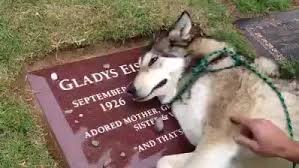
- The Depth of Canine Loyalty: Akitas are genetically predisposed to form intense, singular attachments to one specific handler, making separation profoundly traumatic.
- Biological Timekeeping: Dogs possess a highly accurate internal circadian rhythm, allowing them to anticipate exact daily events like a returning train.
- The Reality of Street Life: Hachiko’s years at the station were initially filled with severe abuse, starvation, and physical decline before the public finally recognized his devotion.
The freezing Tokyo rain plastered the thick, golden fur flat against his shivering ribs. He sat completely motionless on the hard concrete platform, his dark, almond-shaped eyes locked intensely on the heavy sliding doors of Shibuya Station. The deafening screech of the arriving steam locomotive sent crowds of commuters rushing past him, their heavy boots splashing icy mud across his massive paws.

He didn’t flinch, and he didn’t search the ground for dropped food like the other desperate street dogs. He meticulously scanned every single face emerging from the thick evening fog, searching for a familiar gait and the scent of an old tweed coat. When the very last passenger vanished into the dark city streets, he simply lowered his heavy head and prepared to wait another night.
A Bond Forged in Silent Understanding
Long before the cold concrete of the station became his permanent home, Hachiko knew the warmth of a quiet, loving household. He was a purebred Akita Inu, a breed historically revered in Japan for their fierce independence and profound, unwavering loyalty to a single master. Professor Hidesaburo Ueno recognized this incredibly deep soul the moment the tiny, golden puppy arrived at his home in 1924.
Their daily routine became a flawless, deeply synchronized ritual that anchored the dog’s entire biological rhythm. Every single morning, Hachiko proudly escorted the professor through the bustling streets directly to the bustling Shibuya Station. He would sit perfectly still, watching the steam engine pull away, before returning home to quietly guard the property.
As the afternoon sun began to dip below the horizon, an internal biological alarm clock would ring inside the dog’s mind. Hachiko would trot back to the exact same spot on the station platform, arriving just moments before the professor’s train hissed to a halt. The joyous reunion was always marked by a wildly wagging tail and a warm, calloused hand scratching behind golden, triangular ears.
The Day the Train Arrived Empty
The rhythm of their perfect, predictable life was violently shattered on a warm day in May 1925. The professor suffered a sudden, fatal cerebral hemorrhage while delivering a lecture at the university, entirely miles away from the waiting dog. At the station, the afternoon train arrived exactly on schedule, pouring its usual sea of tired commuters onto the crowded platform.
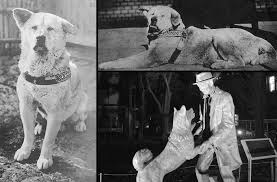
Hachiko sat in his designated spot, his tail giving a soft, expectant thump against the pavement. He watched the crowds thin out, his ears rotating frantically to catch the familiar sound of his master’s footsteps. Hours ticked by, the sky turned completely black, but the golden dog absolutely refused to abandon his post.
This sudden absence triggered a profound behavioral crisis rooted deep within the canine psyche. Dogs do not possess the cognitive ability to conceptualize human mortality or sudden, unexplained abandonment. To Hachiko, the professor was simply delayed, and leaving the station would mean breaking the sacred, silent promise they shared.
Snoutbit Tip: Understanding Canine Grief and Waiting Behaviors
How Dogs Process Loss: Dogs do not understand the finality of death. When a deeply bonded owner suddenly disappears, the dog experiences a severe state of acute separation distress. Their brain becomes flooded with cortisol, creating a desperate, hardwired drive to locate the missing pack member at their last known location.
The Power of Circadian Rhythms: You might wonder how a dog knows exactly when a train arrives. Canines have incredibly precise circadian rhythms governed by light, temperature, and shifting daily scents. They can literally smell time passing as the morning dew evaporates, triggering their instinct to move to a specific location at an exact hour.
Managing Sudden Loss in Pets: If a household experiences a sudden human or canine loss, surviving pets must strictly maintain their normal daily routines. Keeping feeding times and walks exactly the same provides critical environmental predictability, which is the only way to slowly lower their severely elevated stress levels.
A Decade of Brutal Exposure
The true story of Hachiko is far darker and vastly more painful than modern cinematic retellings often portray. After the professor’s death, the dog was given away to a new family across town, but he continuously escaped, driven by an overwhelming biological imperative. He navigated miles of dangerous city streets every single day just to return to the cold, unforgiving concrete of Shibuya Station.
For the first several years, Hachiko was viewed as a filthy, aggressive nuisance by the busy station workers and passing commuters. He was frequently beaten with heavy broomsticks, intentionally kicked by frustrated vendors, and often went days without a single scrap of food. His once-pristine golden coat became heavily matted with toxic city soot, and painful osteoarthritis began to aggressively ravage his aging joints.
Despite the immense physical abuse and the agonizing pain of starvation, his intense daily focus never wavered for a single second. Rain, terrifying typhoons, or blinding winter blizzards could not force the aging Akita to seek a warmer shelter. The sheer magnitude of his psychological hyper-attachment completely overrode his basic, hardwired biological instincts for survival and self-preservation.
From Nuisance to National Symbol
The brutal suffering of the dedicated street dog went largely ignored until one of the professor’s former students recognized the aging Akita. The student published several heartbreaking articles detailing the dog’s profound, nine-year vigil for a ghost that would never return. Almost overnight, the cultural perception of the battered, limping dog radically transformed from a public pest to a revered national treasure.
Station masters who previously chased him away with sticks began explicitly ordering staff to bring him clean water and fresh meat. Commuters intentionally altered their daily travel routes just to gently pat the old dog’s head, leaving small donations for his veterinary care. He became a living, breathing monument to the ancient ideals of unwavering loyalty and profound, selfless devotion.
Even as his body began to visibly fail, his routine remained absolutely unbreakable. His muscular hind legs eventually wasted away, forcing him to heavily drag himself across the station tiles just to reach his designated waiting spot. He was completely deaf to the roaring trains and nearly blind, but his worn nose remained pointed firmly toward the sliding doors.
The Final Reunion
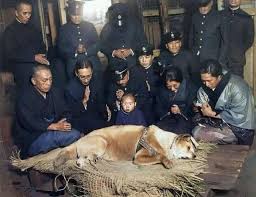
On a freezing morning in March 1935, the immense, ten-year wait finally came to a devastatingly quiet end. Hachiko was found completely lifeless in a dark alleyway near the station, his frail body finally succumbing to terminal cancer and advanced heartworm disease. He passed away entirely alone in the cold, but he died exactly where he believed he was supposed to be.
The news of his death completely shattered the nation, prompting the entire Shibuya Station to temporarily halt operations. Thousands of grieving citizens flooded the terminal, covering his bronze statue with mountains of fresh flowers, desperate prayers, and burning incense. The loyal dog who endured a decade of brutal street life had successfully united a rapidly modernizing country through sheer, visceral emotion.
Today, his preserved remains rest peacefully beside his beloved master in Aoyama Cemetery, their souls permanently reunited after a decade of agonizing separation. Hachiko’s incredible, heartbreaking legacy continues to profoundly echo across the world. He remains the ultimate, untarnished symbol of the incredibly pure, unbreakable bond that exists uniquely between a human and a dog.
FAQ: Canine Loyalty and Separation
Do certain dog breeds form stronger attachments than others? Yes. Breeds like Akitas, German Shepherds, and Belgian Malinois are historically bred to work incredibly closely with a single, dedicated handler. This specific genetic wiring makes them highly prone to “single-person” bonding, meaning they often struggle profoundly with severe separation anxiety if that primary person leaves.
Can a dog physically die from a broken heart? While a dog does not technically die from human emotional concepts, severe grief causes catastrophic physiological changes. The massive, prolonged spike in stress hormones severely suppresses their immune system and entirely kills their appetite. This trauma-induced anorexia and immune failure can absolutely lead to fatal secondary infections or organ failure.
How can I help a rescue dog who was abandoned by a previous owner? A dog suffering from abandonment trauma requires extreme environmental predictability, not just overwhelming physical affection. Establish an iron-clad daily schedule for feeding, walking, and sleeping to instantly remove the anxiety of the unknown. Never force physical contact; allow the dog to slowly approach you when their heavily taxed nervous system finally feels secure.
Disclaimer: The content on Snoutbit.com is for informational and educational purposes only and is not intended to replace professional veterinary advice, diagnosis, or treatment. Always consult with your veterinarian before making significant changes to your dog’s diet, exercise routine, or health regimen.