Key Takeaways
- The Invisible Wounds: Tactical working dogs suffer from profound psychological trauma that perfectly mirrors human combat PTSD.
- The Danger of Misunderstanding: Extreme hypervigilance and redirected aggression in retired K9s are often mislabeled as viciousness by civilian shelters.
- The Power of Specialized Sanctuaries: Facilities like the Warrior Dog Foundation provide the exact environmental silence and strict routine necessary to save broken tactical dogs.
- A Different Kind of Retirement: True rehabilitation for a highly driven working breed doesn’t always mean sleeping on a family couch; sometimes, it means finding peace in a secure, specialized environment.
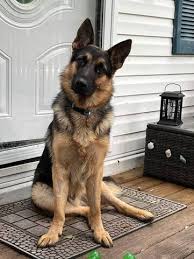
The concrete floor of the county holding kennel was dangerously slick with his own nervous, heavy drool. Bear, a massive ninety-pound German Shepherd, violently slammed his heavy body against the rusted chain-link gate for the hundredth time that hour. His thick black and tan coat was deeply matted with cold sweat, and his dark amber eyes were blown wide with unadulterated panic.

The sudden, echoing backfire of a delivery truck out on the main street sent him spinning into a frantic, destructive frenzy. He wasn’t misbehaving, and he wasn’t acting out of malice or spite toward the terrified shelter staff. His brilliant, highly trained mind was completely trapped in a perpetual, inescapable combat zone.
Every single shadow looked like a hidden suspect, and every loud noise sounded like incoming tactical fire. This highly decorated police K9 had spent years successfully protecting his city, but the immense trauma had finally shattered his brain. He was entirely broken, deeply misunderstood, and his time was rapidly running out.
The Crushing Weight of the Badge
For over six grueling years, Bear was the absolute tip of the spear for his local tactical law enforcement unit. He was routinely sent into the darkest, most dangerous corners of the city, tasked with apprehending violent suspects and clearing pitch-black, abandoned warehouses. His powerful body absorbed the brutal, daily physical impact of the job, but his sensitive mind absorbed the absolute terror.
Working dogs like Bear do not possess the psychological ability to rationalize human violence or casually decompress after a terrifying shift. They simply internalize the immense chaos, tightly winding their internal nervous systems like a coiled spring until they physically cannot relax. For Bear, the massive adrenaline spikes eventually stopped receding entirely, leaving him trapped in a constant state of agonizing hypervigilance.
He could no longer safely differentiate between a legitimate, armed threat and a harmless civilian dropping a set of metal car keys. If a stranger approached his handler even a fraction too quickly, Bear’s lip would instantly curl, exposing a terrifying set of sharp teeth. His sudden, aggressive resource guarding and severe environmental reactivity made it entirely impossible for him to safely remain on active duty.
The Heartbreak of the Handler
The bond between a K9 handler and their working dog is forged in extreme adversity and is deeper than most human marriages. Bear’s handler was completely devastated when the department’s veterinary behaviorist officially declared the dog medically unfit for continued service. He desperately wanted to bring his fiercely loyal partner home to comfortably sleep on his living room rug for the rest of his life.
Unfortunately, strict municipal regulations and severe liability insurance policies explicitly prohibited him from keeping a dog deemed a potential danger to the civilian community. The heartbreaking reality of police and military K9s is that severe behavioral trauma often transforms them into an immense public liability. The devastated officer was forced to hand over Bear’s heavy leather tactical lead, walking away with tears streaming down his face.
Bear was immediately placed in a high-security holding facility, entirely isolated from the only human being he had ever trusted. He paced the tiny perimeter of his cell until his heavy paw pads literally bled on the rough, unforgiving concrete. He let out a long, haunting, high-pitched wail every time the heavy metal doors clanged shut, begging for his partner to return.
The Unadoptable Label
Without a specific job or a healthy outlet for his immense biological drive, Bear developed profound obsessive-compulsive behaviors in his tiny run. He began aggressively chewing his own flanks and tail, a heartbreaking physical manifestation of extreme, untreated psychological distress. His weight plummeted drastically as he entirely refused to eat the cheap kibble tossed carelessly into his metal bowl.
Civilian rescue organizations explicitly refused to take him, citing his extensive tactical bite history and his intense, highly unpredictable triggers. Standard adoption was entirely off the table, as placing a traumatized, highly trained tactical dog in a noisy suburban home is incredibly reckless. A civilian family simply could not manage a dog that was explicitly trained to engage threats with lethal, crushing force.
The overwhelmed county shelter staff quietly began preparing the grim paperwork for behavioral euthanasia. They genuinely believed the noble, suffering dog was completely beyond saving and that a peaceful death was his only remaining option. Bear had served his community flawlessly, but the civilian world simply had absolutely no safe place left for him to exist.
Snoutbit Tip: Understanding Occupational PTSD in Working Dogs
What is Occupational PTSD? Working breeds like German Shepherds and Belgian Malinois are genetically predisposed to high-arousal states, making them incredible assets for tactical police work. However, repeated exposure to high-stress, violent environments permanently alters their brain chemistry, resulting in severe Canine Post-Traumatic Stress Disorder.
How It Manifests in a Kennel: A traumatized working dog will exhibit profound trigger stacking, where minor stimuli (like a slamming door or a ringing phone) provoke an explosive, disproportionate reaction. They often suffer from severe sleep startle reflexes, intense redirected aggression, and an absolute inability to self-soothe or down-regulate their racing heart rate.
The Clinical Solution: You cannot simply love or cuddle the deep trauma out of a tactical working dog. Successful rehabilitation requires an expertly controlled environment, incredibly predictable daily routines, and highly experienced handlers who can speak the fluent language of canine drive and structural decompression.
A Lifeline in the Dirt: The Warrior Dog Foundation
Just forty-eight hours before the unthinkable was scheduled to happen, the Warrior Dog Foundation answered a desperate, last-minute phone call. Founded by former Navy SEAL Mike Ritland, this elite Texas sanctuary specializes exclusively in the hardest, most broken working dogs in the entire country. They do not see dangerous, unadoptable liabilities; they see wounded, honorable veterans who have absolutely earned the right to heal in peace.
A highly specialized transport team arrived at the county shelter, treating the aggressive, terrified shepherd with the utmost respect and quiet professionalism. They didn’t coddle him, use high-pitched baby talk, or make direct eye contact, which Bear would have immediately perceived as a physical challenge. They smoothly, silently loaded his heavy transport crate, driving him far away from the loud, chaotic city.
Arriving at the foundation’s remote, sprawling facility was the very first time Bear experienced true environmental silence in years. The massive property was meticulously designed to reduce severe sensory overload, featuring heavily soundproofed kennels and massive, highly secure decompression yards. Here, there were no blaring police sirens, no screaming suspects, and absolutely no unpredictable civilian encounters to trigger his deeply ingrained combat responses.
Rewiring a Warrior’s Brain
The rehabilitation of a highly reactive, combat-trained K9 is never a magical, overnight cinematic transformation. For the first two grueling months, the specialized handlers asked absolutely nothing of Bear, allowing his violently elevated cortisol levels to naturally dissipate. They established an unwavering, iron-clad daily routine, providing the exact kind of extreme predictability his traumatized working brain desperately craved.
Slowly, they began utilizing his intense biological drives to safely rewire his shattered, hyperactive nervous system. Instead of violently apprehending hidden suspects, Bear was given incredibly complex scent puzzles and structured obedience tasks using high-value food rewards. Redirecting his intense, laser-like focus onto positive, highly rewarding tasks gave his exhausted mind a healthy, safe outlet for his massive energy.
The ultimate turning point happened quietly on a crisp, frosty morning inside the foundation’s massive, fenced training arena. A senior handler gently tossed a heavy rubber Kong across the wet grass, completely ignoring the dog’s typical stiff, defensive posturing. Instead of freezing in sheer panic, Bear let out a sharp, joyous bark, dropping into a classic play-bow before eagerly sprinting after the toy.
The Peaceful Sunset He Earned
Today, the dog that was once labeled entirely unadoptable and dangerous is living a deeply peaceful, incredibly fulfilling life. He will likely never be a standard house pet that sleeps at the foot of a child’s bed, and that is absolutely perfectly fine. The Warrior Dog Foundation deeply understands that some heroes simply need a highly specialized environment to safely exist for the rest of their days.
Bear spends his long, quiet afternoons heavily sunbathing in a secure, grassy enclosure, completely undisturbed by the overwhelming noise of the outside world. His dull, stress-shedding coat has beautifully transformed into a thick, brilliantly shining armor of rich black and vibrant gold. The frantic, terrified pacing has entirely ceased, permanently replaced by the calm, confident stride of a dog who finally feels secure.
He gave the absolute best, most physically demanding years of his life to protect a society that ultimately did not understand his complex pain. Thanks to the unwavering dedication of elite handlers, Bear was finally granted the deep, restful retirement he so rightfully earned in the dirt. His incredible, tear-jerking story stands as a powerful testament to the fact that absolutely no working dog is ever a lost cause.
FAQ: Supporting Retired K9s and Working Dogs
Why can’t police and military dogs simply be adopted by regular families? Police and military working dogs are elite, purpose-bred athletes with incredibly intense biological drives and highly specialized tactical training. Placing a dog explicitly trained to bite and apprehend violent suspects into a standard suburban family home is incredibly dangerous without extensive professional decompression. They absolutely require highly experienced handlers who intimately understand severe trigger management and the unique psychological needs of working breeds.
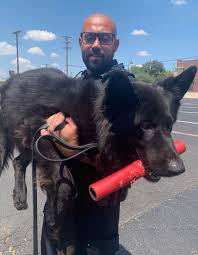
How does the Warrior Dog Foundation safely rehabilitate aggressive K9s? The foundation utilizes an expertly controlled, remote environment to entirely remove the chaotic, overwhelming triggers of the loud civilian world. By establishing strict daily routines, providing heavy mental enrichment, and using advanced positive reinforcement, they allow the dogs’ nervous systems to permanently down-regulate. Their primary goal is not to force them into becoming cuddly pets, but to give them a safe, entirely stress-free existence among their peers.
What normally happens to military and police dogs when they retire from active duty? Historically, many working dogs were tragically euthanized if their original handlers could not safely keep them due to strict municipal liability issues. Today, thanks to fierce public advocacy and specialized sanctuaries like the Warrior Dog Foundation, these noble canine veterans are given a vital second chance. They are either safely transitioned to highly vetted, experienced tactical homes or live out their remaining days in a specialized, deeply peaceful sanctuary.
Disclaimer: The content on Snoutbit.com is for informational and educational purposes only and is not intended to replace professional veterinary advice, diagnosis, or treatment. Always consult with your veterinarian before making significant changes to your dog’s diet, exercise routine, or health regimen.