Key Takeaways
- The Danger of Apathy: In busy tourist destinations, severe animal suffering often becomes normalized, leading to fatal neglect occurring in broad daylight.
- Medical Realities of Rescue: Saving a starving dog requires complex, specialized veterinary intervention, not just a sudden, heavy meal of human food.
- International Logistics: Bringing a rescued street dog into the US or Australia requires months of strict quarantine, complex blood titering, and extreme patience.
- Behavioral Decompression: Street survivors need incredibly predictable routines to overcome severe trigger stacking and profound environmental trauma.
The tropical sun in Bocas del Toro was merciless, baking the white beach sand into a scorching, unbearable pan. Underneath the wooden stilts of a luxury beachfront bar, a skeletal frame lay completely motionless in the dark shadows. Tourists in bright swimwear casually stepped right over his broken body, their loud holiday laughter echoing above his shallow, ragged breaths.
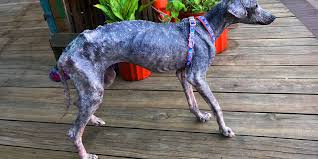
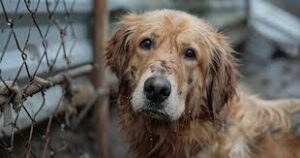
He didn’t even have the strength to lift his heavy, tick-infested head to beg for falling table scraps. His sunken eyes were heavily crusted shut with thick, yellow discharge, blinding him to the beautiful turquoise waves crashing just yards away. He was actively fading away, entirely invisible to the thousands of vacationers passing by.
Invisible in a Tropical Paradise
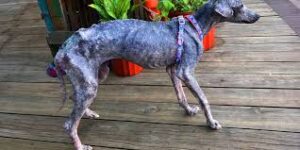
His broken body was a horrific, visceral map of prolonged starvation and severe physical neglect. Every single rib protruded sharply against his leathery, sunburned skin, entirely stripped of fur by advanced demodectic mange. His overgrown nails curled violently back toward his own sensitive paw pads, making every tiny movement agonizingly painful.
This wasn’t just a hungry street dog aggressively begging outside a busy local restaurant. This animal was experiencing a complete systemic shutdown as his failing organs violently cannibalized his remaining muscle mass for basic metabolic fuel. He exhibited profound learned helplessness, a severe behavioral state where an animal entirely gives up on basic survival.
He no longer whimpered, shifted away from the burning sun, or reacted to the stray kicks from passing beachgoers. The bustling Panamanian tourist hub had entirely normalized his immense suffering, rendering him completely invisible to the crowds. He was simply waiting for the suffocating afternoon heat to finally stop his struggling, weakened heart.
The Silent Reality of Canine Starvation
Starvation on the streets is an incredibly slow, agonizingly quiet biological process. The dog’s internal temperature regulation entirely fails, leaving them violently shivering even in the sweltering heat of the Central American jungle. Their desperately compromised immune system becomes a breeding ground for deadly, parasitic vector-borne diseases.
His stark, terrifyingly white gums were a glaring clinical indicator of severe anemia and catastrophic internal bleeding. The local tick populations had entirely ravaged his bloodstream, causing his red blood cell count to plummet to fatal levels. Without immediate, aggressive medical intervention, his body was mere hours away from absolute cardiovascular collapse.
Snoutbit Tip: Understanding Refeeding Syndrome in Strays
What is Refeeding Syndrome? When a severely starved, emaciated dog is suddenly given a large, rich meal, their depleted body cannot properly metabolize the sudden nutrient influx. This causes a massive, fatal shift in internal electrolytes, rapidly leading to sudden cardiac arrest, severe neurological seizures, and death.
How it Manifests on the Street: A well-meaning tourist might feed a starving stray an entire hamburger, only for the dog to violently collapse just hours later. The dog’s insulin levels dangerously spike, pulling vital magnesium, potassium, and phosphorus directly out of their fragile, already compromised bloodstream.
The Proper Clinical Solution: True starvation recovery requires incredibly tiny, frequent micro-meals of specialized, highly digestible veterinary prescription diets. Intravenous fluids must be continuously administered at a painfully slow drip to gradually rehydrate damaged cellular tissues without overwhelming the severely weakened heart muscle.
The Turning Point in the Sand
The noisy beach crowd suddenly parted as an American tourist stopped dead in her tracks, dropping her canvas tote bag directly into the dirt. She didn’t pull out her smartphone to take a heartbreaking photo, and she didn’t quickly look away in disgust. She fell sharply to her knees, completely ignoring the filthy, parasite-ridden sand currently coating her legs.
When she gently pressed her trembling palm against his violently heaving ribs, the dog didn’t flinch or try to bite in defense. He simply let out a long, shuddering sigh, instinctively recognizing the very first gentle, compassionate touch he had ever experienced. The tourist frantically flagged down a local island taxi, wrapping the filthy, dying animal entirely in her clean resort towel.
The bumpy ride to the island’s only bare-bones veterinary clinic was a terrifying, silent race against the clock. Every massive jolt of the speeding vehicle elicited a weak, agonizing groan from the bundle in the back seat. The tourist simply held him tighter, whispering soft, rhythmic promises that he was finally safe.
The Brutal Medical Fight for Survival
The tiny clinic floor rapidly became a makeshift intensive care unit, illuminated only by a single flickering overhead bulb. The dedicated local veterinarian slowly established a fragile intravenous line, pumping life-saving fluids directly into the dog’s collapsed, flat veins. For three agonizing days and nights, the tourist sat firmly on the hard concrete floor, refusing to leave his side.
Blood tests confirmed he was suffering from advanced Ehrlichiosis, a brutal tick-borne disease that completely destroys a canine’s white blood cells. The veterinary team painstakingly hand-fed him tiny smears of high-calorie nutritional gel every two hours. Slowly, miraculously, the dog’s cloudy eyes began to briefly track the careful, slow movements across the tiny examination room.
He physically couldn’t stand up, but he managed to offer one weak, pathetic thump of his tail against the sterile puppy pad. They officially named him Leo, a strong, regal title for a ferocious fighter who absolutely refused to surrender. As the life-threatening anemia slowly began to reverse, his deep, previously suppressed canine personality finally began to bravely emerge.
The Complex Logistics of an International Miracle
Saving a dying street dog in Central America is only the very first hurdle in an incredibly complex international rescue mission. Flying a medically fragile animal thousands of miles back to the US or Australia requires a massive mountain of strict government paperwork. Leo desperately needed an agonizingly long quarantine period, strict rabies titer blood tests, and absolute medical clearance to board a commercial flight.
The heartbroken tourist flew back home with an empty leash, but she deliberately left her entire heart in that tiny Panamanian clinic. She tirelessly coordinated with local international rescue groups, heavily funding Leo’s prolonged, intensive medical boarding from a completely different hemisphere. For four grueling months, she survived entirely on daily, grainy video updates of a dog she had only held for a few desperate days.
The physical transformation captured on those short smartphone videos was nothing short of a breathtaking biological miracle. Leo’s angry, painfully red skin slowly healed, giving way to a brilliantly soft, golden coat that absolutely nobody knew he possessed. He slowly learned to walk confidently on a leash, his once-skeletal frame finally filling out with thick, healthy muscles.
Decompressing a Jungle Survivor
When Leo finally cleared customs and landed at the international airport, the crowded arrivals terminal was filled with overwhelming tears. When his heavy, reinforced travel crate was unlatched, he didn’t cower in sheer fear or pancake flat onto the slippery tile floor. He confidently strutted out, immediately burying his wet, black nose directly into the neck of the exact woman who had saved him.
However, transitioning a hardened street dog into a quiet suburban environment requires immense behavioral patience and strict counter-conditioning. Leo initially suffered from severe resource guarding, growling deeply if anyone approached his food bowl. This lingering biological remnant of his brutal starvation required careful management, not harsh punishment.
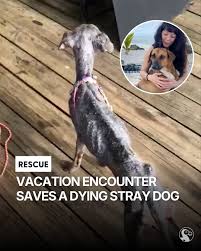
His new family actively tossed high-value treats near his bowl to slowly build deep, permanent trust around mealtimes. He had to meticulously learn that plush living room carpets were safe and that sudden noises didn’t mean an attack was imminent. Slowly, the heavy, invisible armor he wore on the harsh island streets began to permanently crack and fall away.
A World Away from the Scorching Sand
Today, Leo sleeps incredibly deeply on a premium orthopedic bed inside a quiet, heavily air-conditioned home. The terrifying, booming sound of crashing tropical waves has been entirely replaced by the deeply comforting hum of a kitchen refrigerator. He no longer scrounges desperately in dirty alleys for rotting garbage, eagerly awaiting his nightly dental chew with uncontainable wiggles.
His horrifying, painful past is entirely erased, completely replaced by an unwavering, fierce loyalty to his dedicated rescuer. He survived the absolute darkest, most unforgiving corners of human neglect, emerging completely unbroken and incredibly pure of heart. Leo’s incredible journey proves that a single moment of profound, bold compassion can literally alter the entire course of a life.
FAQ: International Dog Rescues
Can tourists bring a stray dog directly home from an international vacation? No, you cannot fly a dog directly home without extensive preparation and strict government compliance. Health organizations and border control authorities explicitly require valid rabies vaccination certificates, specific microchips, and often a prolonged quarantine period depending on the destination country. Failing to meet these strict requirements will result in the dog being denied entry or seized at customs.
How do rescued street dogs adjust to living exclusively indoors? Street dogs are entirely unaccustomed to confined walls, slippery artificial floors, and the unpredictable noises of standard household appliances. Adopters must absolutely treat them like young puppies, restricting their access to small, quiet rooms until they slowly decompress. Never force an overwhelmed street dog to socialize or explore before their nervous system is entirely ready.
What is the most effective way to help stray dogs while traveling abroad? If you cannot commit to a highly expensive, months-long international adoption process, you can still make a massive, life-saving impact. Donate heavily to established local rescue organizations that run high-volume spay and neuter clinics directly on the ground. Actively starving the cycle of canine overpopulation is the absolute most effective way to end the brutal suffering of island strays permanently.
Disclaimer: The content on Snoutbit.com is for informational and educational purposes only and is not intended to replace professional veterinary advice, diagnosis, or treatment. Always consult with your veterinarian before making significant changes to your dog’s diet, exercise routine, or health regimen.