Key Takeaways
- The Reality of Dumping: Abandoning small breeds in rural areas exposes them to extreme weather, predators, and massive psychological trauma.
- Bonded Survivors: Dogs experiencing severe neglect often form unbreakable trauma bonds with their cage-mates to survive.
- The Power of Fostering: Healing deep-rooted behavioral issues requires a quiet, dedicated home environment, not a loud shelter floor.
The suffocating Florida heat baked the rusted metal wire of the discarded birdcage. Inside, three tiny bodies were pressed so tightly together it was impossible to tell where one trembling chihuahua ended and the next began. Their water bowl was completely bone-dry, flipped upside down in the dirt.

Every time a heavy semi-truck roared down the nearby St. Johns County highway, the smallest of the three let out a high-pitched, terrified shriek. They were completely covered in biting fire ants, panting heavily from the extreme humidity. Someone had driven them to the desolate edge of the swamp, opened the trunk, and simply walked away.
Left to Die in the Overgrowth
The physical condition of the tiny dogs was a glaring map of profound, long-term neglect. Their overgrown claws curled violently back into their own sensitive paw pads, making every single step excruciatingly painful. Severe flea dermatitis had ravaged their lower backs, leaving raw, weeping patches of exposed skin baking in the harsh sun.
A passing cyclist heard the faint, desperate whimpering over the roar of the afternoon traffic. When he finally pushed back the dense palmetto bushes, his heart completely sank at the horrific sight. The crate was actively sinking into the muddy ditch, leaving the dogs trapped in a terrifying, inescapable oven.
When animal control officers finally approached the rusted enclosure, the dogs exhibited extreme fear aggression. They bared their rotting teeth and lunged wildly at the heavy leather catch-gloves. This wasn’t viciousness or a bad temperament; it was a desperate, hardwired survival instinct kicking into overdrive.
They had zero trust left for humanity, viewing every reaching hand as a mortal threat. The responding officers worked in agonizingly slow, silent motions to avoid triggering a fatal heart event. Small breeds under extreme environmental duress are highly susceptible to sudden cardiovascular collapse when forced into capture.
The Deafening Silence of the Shelter Intake
The chaotic, echoing noise of the county shelter only amplified their profound, paralyzing terror. Once they were forcibly separated for emergency medical intake, the severe reality of their bonded trauma became immediately obvious. The smallest female completely shut down, refusing to lift her frail head off the cold stainless-steel examination table.
She was exhibiting a classic, devastating fear response clinically known as learned helplessness. Her tiny, emaciated body went completely rigid, and her wide, dilated eyes stared blankly at the harsh fluorescent ceiling lights. She had completely surrendered to whatever terrible fate she assumed was coming next.
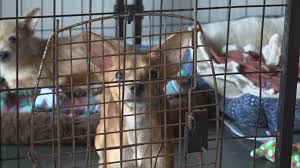
The veterinary staff was horrified by the results of their initial physical examinations. The largest male weighed barely four pounds, his fragile ribs poking sharply through his matted, filthy coat. All three suffered from severe dental decay, requiring multiple immediate extractions to stop the raging infections in their tiny jaws.
Shelter staff knew these incredibly delicate dogs would not survive the intense, high-stress environment of the concrete kennels. The constant, deafening barking of larger dogs would keep their cortisol levels dangerously, fatally high. They desperately needed the quiet sanctuary of an experienced medical foster home to even stand a chance at long-term survival.
Snoutbit Tip: Understanding Trauma-Induced Tremors
What Are Trauma Tremors? When tiny breeds like Chihuahuas experience severe neglect, their bodies undergo massive, sustained adrenaline spikes. This chemical flood, combined with clinical hypoglycemia from forced starvation, causes violent, uncontrollable full-body shaking that can last for hours.
How It Looks in a Rescue Scenario: A traumatized dog will shiver violently even in a very warm, heavily blanketed room. They may chatter their teeth loudly, tightly tuck their tails between their legs, and refuse to uncurl from a tight, defensive ball.
The Rehabilitation Approach: Never force a trembling, shut-down dog to accept physical human affection. Wrap them tightly in a warm, heavy blanket to provide deep-pressure therapy, and offer high-calorie nutritional gel. This immediately stabilizes their crashing blood sugar levels without requiring them to actively eat from a bowl.
The Long, Silent Battle for Trust
Arriving at the medical foster home in the quiet suburbs was an entirely alien, terrifying experience. For the first two grueling weeks, the trio utterly refused to leave the dark safety of their open plastic travel crate. They resource-guarded their small food bowls fiercely, inhaling their kibble so fast they would frequently choke and gasp for air.
Their experienced foster mom set up a heavy metal baby gate and simply sat quietly on the floor nearby. She spent hours reading books aloud in a soft, monotonous voice to get them accustomed to a safe human presence. She never made direct eye contact, which traumatized, unsocialized dogs perceive as a direct, terrifying threat.
Trust had to be meticulously earned, millimeter by agonizing millimeter. Slowly, the irresistible, warm aroma of freshly roasted chicken began to overpower their deep-rooted, paralyzing fear. They would wait until she looked completely away before daring to stretch a paw out to snatch a dropped piece of meat.
One humid Tuesday evening, the bravest of the three males took a massive, terrifying leap of faith. He crept slowly out of the crate, keeping his belly pressed low to the floor, and gently sniffed the foster mom’s sneaker. When she didn’t yell or strike him, he let out a long, exhausting, shuddering sigh of relief.
Breaking the Invisible Chains
Healing a shattered canine mind takes significantly longer than healing physical wounds and malnutrition. Learning to walk on a leash was a monumental, terrifying hurdle that took weeks of patient counter-conditioning. The mere feeling of a lightweight nylon harness snapping shut caused them to immediately pancake flat against the living room rug.
The foster family celebrated incredibly tiny, invisible milestones that most normal pet owners completely take for granted. A loosely wagging tail, a soft play-bow, or a curious sniff of a squeaky toy were massive psychological victories. They were slowly learning how to simply be normal dogs, stripping away years of brutal survival instincts.
The tight bond between the three Chihuahuas became their absolute greatest asset during the frightening rehabilitation process. Whenever the smallest female panicked at a sudden loud noise, her brothers would immediately flank her sides. They provided a moving, breathing shield of canine comfort that no human could ever possibly replicate.
Because their trauma bond was so incredibly deep, the rescue organization made a firm, non-negotiable decision. These three survivors were never going to be separated, no matter how long it took to find an adoptive family. They had survived the absolute worst of the Florida swamps together, and they were going to cross the finish line together.
A Warm Couch to Call Their Own
Fast forward eight months, and the physical and emotional transformation is absolutely breathtaking to witness. The matted, flea-infested coats have been completely replaced by incredibly soft, brilliantly shiny fur. The frantic, terrified shrieks have morphed into demanding, confident barks whenever the mailman dares to approach the front porch.
They no longer huddle in dark corners waiting for the next bad thing to happen to them. Instead, they fiercely compete for the warmest, most comfortable spot under the thick living room blankets. A retired couple with a quiet, predictable lifestyle officially adopted the trio, keeping their tight-knit family entirely intact.

Their new parents heavily spoil them with premium orthopedic beds and an endless, rotating array of squeaky toys. They take slow, confident strolls around a quiet suburban neighborhood, their tails held high in the air. The rusted, sun-baked birdcage in that St. Johns County ditch is nothing but a distant, entirely impossible nightmare.
They survived the very worst of humanity, emerging entirely unbroken and fiercely devoted to one another. Their harrowing story is a powerful reminder that absolutely no dog is ever a lost cause. Against all terrible odds, they finally discovered the true, unconditional meaning of home.
FAQ: Rehabilitating Abandoned Dogs
How long does it take an abandoned dog to trust again? Recovery timelines depend entirely on the severity of the past abuse and the dog’s individual genetics. While the standard rule is three months for basic decompression, severely traumatized dogs often take a full year to feel completely safe. Absolute patience and a fiercely predictable daily routine are required to rebuild a shattered foundation of trust.
What is the absolute best way to approach a terrified stray dog? Never walk directly toward a terrified stray, and never lean over them to offer your hand. Sit sideways on the ground, avoid all direct eye contact, and gently toss high-value treats in their general direction. Allow the dog to close the distance entirely on their own terms to prevent triggering a severe bite response.
How can you fix severe food aggression in a rescue dog? Food aggression stems from a deep, paralyzing fear of starvation caused by past neglect. Never punish a dog for growling over a food bowl, as this only reinforces their intense fear that their food will be stolen. Instead, practice trading games by offering a vastly superior treat, like fresh chicken, in exchange for their current chew toy.
Disclaimer: The content on Snoutbit.com is for informational and educational purposes only and is not intended to replace professional veterinary advice, diagnosis, or treatment. Always consult with your veterinarian before making significant changes to your dog’s diet, exercise routine, or health regimen.