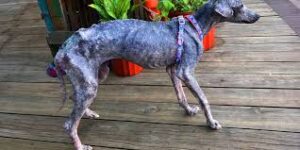
The secret to fixing a dog’s dry skin and excessive shedding is not another expensive oatmeal shampoo. The real solution sits right inside the food bowl. A dramatic reduction in shedding requires a precise balance of Omega-3 to Omega-6 fatty acids, highly digestible novel proteins, and bioavailable zinc.
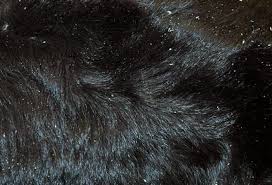
Transitioning a dog to a high-quality food rich in cold-water fish floods a damaged skin barrier with essential lipids. Addressing this nutritional foundation can transform a dull, shedding coat into a glossy, healthy one in just four to six weeks.
The Root Cause of the Fluff Storm
A dog’s skin is the largest organ in their body and consumes up to 30% of their daily protein intake. When a diet lacks the right amino acids or essential fatty acids, the skin is the first place to show signs of nutritional distress. The hairs become brittle, break easily, and fall out prematurely, resulting in a floor covered in fur.
Dry skin also loses its natural waterproofing, leading to microscopic cracks that allow environmental allergens to enter. This breach triggers the relentless scratching and biting that keeps families awake at night. Fixing the diet repairs this invisible barrier, locking in moisture and keeping irritants out.
Take Buster, a usually energetic rescue Boxer who left a trail of white dander flakes and fawn hair on every couch cushion. His family tried weekly medicated baths and topical sprays with absolutely zero success. Once his diet shifted from a low-fat, poultry-based kibble to a salmon-rich, high-omega formula, the relentless scratching stopped entirely within a single month. His coat became noticeably softer, and the daily snowstorm of dander vanished completely.
🚨 Vet Fact: The life cycle of a canine skin cell is approximately 21 days. This means that even with the absolute best diet change, visible improvements in shedding and dander will take a minimum of three to four weeks to fully materialize.
The Non-Negotiable Ingredients for Coat Health
Shopping for a dog food to stop shedding means reading straight past the marketing buzzwords on the front of the bag. The ingredient list holds the true secret to long-term coat health. Families need to look for specific, high-quality components that actively build and repair skin cells.
Here are the critical nutrients required for a healthy, low-shedding coat:
- EPA and DHA: These are the most potent forms of Omega-3 fatty acids, found almost exclusively in marine sources like wild-caught salmon, sardines, and anchovies.
- Linoleic Acid: An essential Omega-6 fatty acid that physically helps create the protective lipid barrier on the skin’s surface.
- B-Vitamin Complex: Biotin and Riboflavin act as essential metabolic spark plugs that help a dog’s body process fats and proteins into healthy hair strands.
- Vitamin E: A powerful antioxidant that actively prevents the healthy fats in the dog’s skin from oxidizing and breaking down.
This leads to a crucial, often-missed detail about fatty acids. Adding Omega-3s to a diet will not help if the existing food is overloaded with Omega-6s from cheap vegetable oils. High levels of Omega-6 cause systemic inflammation, which exacerbates itching and accelerates hair loss.

The optimal ratio of Omega-6 to Omega-3 for canine skin health is between 5:1 and 3:1. Generic, low-tier dog foods often sit at a highly inflammatory 15:1 ratio. Balancing this ratio is the fastest way to calm angry, reactive skin.
🐾 Snoutbit Pro-Tip: Do not just look for the word “Zinc” on the ingredient panel. Cheap foods use Zinc Oxide, which is poorly absorbed and passes right through the dog’s system. Always look for “Zinc Proteinate” or “Zinc Methionine,” which are highly bioavailable and easily absorbed to repair damaged skin tissues.
Protein Sources: The Building Blocks of Hair
Since dog hair is composed of 95% protein, the quality of the meat in the bowl dictates the quality of the coat. If the primary protein source comes from poorly digestible meat by-products, the dog’s body simply cannot extract the amino acids needed. This leads to weak hair follicles that easily snap and shed prematurely.
Switching to a “novel protein” is an incredibly effective strategy to resolve chronic dry skin. A novel protein is simply a meat source the dog has never eaten before, such as venison, duck, or rabbit. If a dog has a hidden intolerance to common proteins like beef or chicken, their immune system will react by heavily inflaming the skin.
Consider Daisy, a Golden Retriever whose coat felt like dry, coarse straw and shed in massive clumps year-round. Her family switched her from a generic beef formula to a limited-ingredient venison and sweet potato blend. Combined with a daily spoonful of fresh sardine oil, her coat completely transformed from brittle straw into a thick, glossy, low-shedding mantle.
When choosing a new protein for an itchy dog, prioritize these options:
- Wild-Caught Fish: Salmon, whitefish, and menhaden are the absolute best proteins for reactive skin due to their naturally high omega content.
- Hydrolyzed Proteins: For severe cases, proteins can be broken down into particles so small the canine immune system cannot detect them.
- Duck or Venison: These are excellent novel choices that are highly digestible and rich in iron and essential B-vitamins.
🚨 Vet Fact: Food allergies only account for roughly 10% of all allergy cases in dogs. However, when they do occur, the primary symptom is almost always intensely itchy skin, inflamed ears, and excessive shedding, rather than obvious gastrointestinal upset.
The Hidden Culprits in the Pantry
Sometimes the issue is not the food itself, but exactly how the food is stored and served. One of the most overlooked triggers for dry, itchy skin is storage mites. These microscopic pests thrive in the greasy dust that inevitably accumulates at the bottom of dry kibble bags.
When a dog buries their nose in a bowl containing storage mite debris, it can trigger a massive allergic reaction. This specific reaction causes extreme itching, frantic scratching, and a sudden explosion of shedding.
To combat invisible pantry triggers, families must follow these strict storage rules:
- Ditch the Plastic: Never pour kibble directly into a plastic bin, as the porous plastic absorbs rancid fats and breeds harmful bacteria.
- Keep the Bag: Place the original dog food bag entirely inside an airtight storage container to protect the kibble from oxygen exposure.
- Wash the Bowl: Wash the dog’s food and water bowls daily with hot, soapy water to remove the invisible biofilm that harbors yeast and bacteria.
- Mind the Expiration: Once a bag of dog food is opened, the fats immediately begin to oxidize. Aim to consume the entire bag within four to six weeks.
Feeding stale, oxidized fats is actually worse for a dog than feeding no fats at all. Oxidized lipids actively damage the dog’s cell membranes, making the skin even drier and much more prone to flaking. Buying smaller bags more frequently is a smart, actionable strategy to ensure the oils remain fresh, potent, and capable of soothing irritated skin.
🐾 Snoutbit Pro-Tip: Never abruptly change a dog’s diet, especially when dealing with skin issues. Transition to the new, skin-supporting food slowly over a period of 10 to 14 days by gradually mixing it with the old food to prevent severe gastrointestinal upset.
The Hydration Equation
Many pet parents overlook the vital role of internal hydration in maintaining a healthy coat. Dry kibble contains an average of only 10% moisture, which is incredibly low compared to a natural ancestral diet. This chronic, low-level dehydration pulls moisture away from the skin barrier to support vital internal organs first.
The ultimate result of poor hydration is a dry, dusty coat that sheds at the slightest touch. Adding moisture back into the bowl is a simple, highly effective strategy to heavily support skin health. Families can easily boost hydration by mixing wet, fresh, or gently cooked food into the daily kibble rotation.
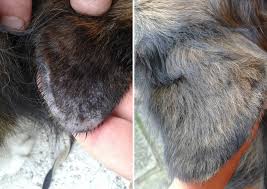
Even a simple daily addition of warm, dog-safe bone broth can make a noticeable difference in skin elasticity and coat shine. Wet foods also tend to be naturally higher in protein and much lower in carbohydrates than standard dry kibble. High-carbohydrate diets can sometimes contribute to systemic inflammation, which only aggravates itchy skin further.
By replacing some kibble with moisture-rich, high-protein toppers, the skin receives better nourishment and hydration simultaneously:
- Bone Broth: Ensure it is completely free from onions and excessive sodium to safely boost liquid intake.
- Canned Fish: Adding a spoonful of canned sardines packed in water brings both hydration and a massive dose of Omegas.
- Fresh Food Blends: Commercially available gently cooked diets offer superior digestibility, vital nutrients, and excellent moisture content.
What To Do Next
Fixing a dog’s shedding and dry skin requires patience and the right nutritional tools. To get started today, follow these immediate steps:
- Audit the Current Food: Check the ingredient panel on the current dog food bag right now. If the first two ingredients are not high-quality, named meat sources, or if there is no mention of Omega-3 fatty acids, it is time to upgrade.
- Implement a Transition Plan: Choose a fish-based or novel protein food and begin a slow, 10-day transition by replacing 10% of the old kibble with the new food each day.
Disclaimer: The content on Snoutbit.com is for informational and educational purposes only and is not intended to replace professional veterinary advice, diagnosis, or treatment. Always consult with your veterinarian before making significant changes to your dog’s diet, exercise routine, or health regimen.