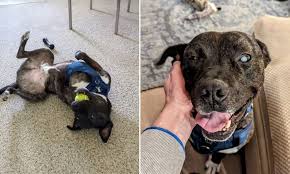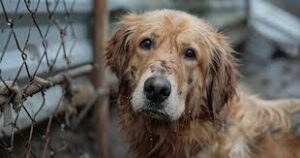
Did you lock eyes with a starving stray while vacationing in Mexico, or fall in love with a desperate rescue dog’s photo online?
The rescuing a street dog from another country process requires securing an international health certificate, completing a strict 28-day rabies vaccination timeline, passing a rescue agency home check, and booking flight logistics through a certified pet transport broker or a dedicated flight volunteer.
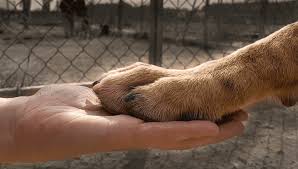
You want to save a life, but international borders are heavily guarded. The CDC recently overhauled dog importation laws to prevent foreign diseases from decimating US livestock and native pets. One single paperwork error will leave your adopted dog stranded at customs, deported, or tragically euthanized on the tarmac.
Let’s strip away the dangerous confusion. Here is the exact, vet-approved blueprint to bring your new best friend safely onto American soil.
The Logistical Nightmare of Overseas Adoption
Adopting a local dog involves signing a quick contract and buying a heavy-duty leash. Adopting a dog from abroad is essentially orchestrating a complex, high-stakes international immigration case.
You must strictly follow federal laws, not just local shelter policies.
Strict CDC Importation Rules
The United States government heavily monitors all live animal imports. If you are importing a dog from a country classified as high-risk for rabies, the rules are brutally strict. You must secure an official CDC Dog Import Form receipt long before booking a flight.
Without this exact document, commercial airlines will flatly deny boarding. The application process requires pristine medical records, ISO-compatible microchips, and heavily documented rabies titer tests from a CDC-approved laboratory.
The Danger of “Flight Volunteer” Scams
Many legitimate international rescues rely on tourists acting as “flight volunteers” to carry dogs back to the US. However, this specific system is highly vulnerable to sophisticated online scammers. Fake rescues frequently demand massive, immediate wire transfers for “customs fees” for a dog that simply does not exist.
Never wire money via Western Union to a private individual. Always aggressively verify the organization’s legal status before sending a single dollar.
[Image: A stressed pet owner looking at a thick stack of international customs paperwork and a dog passport on a kitchen table, illustrating the complex logistics of overseas adoption.]
Understanding Overseas Dog Breeds and Genetics
Street dogs are rarely standard purebreds. They are the evolutionary result of decades of brutal natural selection on harsh foreign streets.
Understanding their unique, ancient genetics is critical for behavioral success once they land in the US.
The “Village Dog” Phenomenon
Most international rescues are classified scientifically as “Village Dogs.” These dogs are incredibly intelligent, highly environmentally aware, and naturally cautious of strange humans.
They are not eager-to-please Golden Retrievers. You must use specialized, positive-reinforcement training methods to build a cooperative, trusting bond with a primitive breed.
High Prey Drive and Escapism
A dog that survived by hunting rats in an alleyway possesses a massive, untamed prey drive. When you bring them to a quiet suburban neighborhood, they will biologically view resident cats and fleeing squirrels as active prey.
You must immediately secure your backyard with a heavy-duty, six-foot privacy fence. Village dogs are notorious escape artists capable of scaling chain-link fences in a matter of seconds.
Step 1: Securing the Medical Clearances
Your new dog cannot board an airplane based on a quick visual checkup. The United States Department of Agriculture (USDA) demands highly specific, time-sensitive medical documentation.
Missing a vaccination window by a single day will completely invalidate your dog’s legal entry.
The Microchip and Rabies Timeline
A dog must be microchipped with an ISO-compatible chip before they ever receive their primary rabies vaccine. If the vaccine is administered before the microchip is implanted, the CDC considers the vaccine entirely invalid.
Furthermore, the dog must be at least six months old to enter the US from a high-risk rabies country. You absolutely cannot legally import an eight-week-old puppy across international borders.
The International Health Certificate
Within ten days of your dog’s scheduled flight, a certified foreign veterinarian must issue a formal international health certificate. This crucial document proves the dog is free from infectious diseases like screwworm and is physically healthy enough to survive extreme cabin pressure changes.
This specific certificate must be officially stamped and endorsed by the exporting country’s government agricultural authority.
[Image: A veterinarian carefully scanning a dog’s neck with a universal microchip reader, symbolizing the strict medical requirements for international pet travel.]
Step 2: Conquering Flight Logistics
Getting the medical paperwork approved is only half the battle. You must actually find an airline legally willing to fly a live animal across an ocean.

Commercial airlines frequently change their pet policies without warning, especially during extreme summer heat or winter freezes.
Cargo Travel vs. Excess Baggage
If a dog is flying “manifest cargo,” they ride in the pressurized, temperature-controlled belly of the plane, completely unescorted. This is incredibly expensive, often costing thousands of dollars per single crate.
Alternatively, a flight volunteer can legally claim the dog as “excess baggage” on their personal ticket. This slashes the flight cost drastically, but requires intense, complicated coordination with a willing human passenger.
Hiring a Pet Transport Broker
Do not attempt to navigate international customs alone. Hiring a certified pet transport broker is the absolute smartest financial investment you can make. These professionals seamlessly handle the complex airway bills, coordinate with foreign government vets, and clear the dog directly through US customs.
A highly skilled broker permanently prevents your dog from sitting terrified in a loud warehouse quarantine facility for three days.
The First 30 Days: Surviving Severe Culture Shock
Once the dog finally lands safely on American soil, the physical journey ends, but the intense behavioral journey begins. A foreign street dog has never seen a sliding glass door, heard a television, or walked on a soft living room carpet.
Their nervous system will be completely overloaded by the modern American household.
The Two-Week Shutdown Protocol
When the dog enters your home, you must implement a strict two-week shutdown. This means absolutely no neighborhood walks, no trips to the local pet store, and zero household visitors.
Keep their world incredibly small and intensely boring. Allow them to sleep continuously in a quiet, dark room to physically flush the massive cortisol spike from the terrifying flight.
Escaping the Feral Instincts
Street dogs survive by aggressively resource guarding food and fleeing from sudden, unpredictable movements. Do not punish a foreign stray for growling at a food bowl on day two. They are operating purely on deeply ingrained, biological survival instincts.
Feed them securely inside a wire crate, keep them tethered to a leash indoors, and use extreme patience. Earning the true trust of a feral street dog takes months, not days.
[Image: A calm, newly adopted rescue dog sleeping soundly in a cozy wire crate with the door open, illustrating a safe space during the two-week shutdown protocol.]
Actionable Steps to Start the Process
Ready to change a life and bring a global rescue dog into your pack? Do not rush the delicate process.
Follow these exact steps to ensure a completely legal, ethical, and safe international adoption.
Your Rescue Action Plan:
- Verify the Rescue: Search the organization’s name in official US 501(c)(3) databases to ensure they are a legitimate, tax-exempt charity, not an overseas scam.
- Check the CDC Ban List: Visit the official CDC website today to confirm the current rabies risk status of the exact country you are adopting from.
- Budget for Surprises: Put aside at least $2,000 for unexpected flight delays, emergency boarding fees, and specialized broker taxes.
By respecting the strict legal parameters and deeply understanding canine behavioral trauma, you can successfully bring a desperate dog home. Start the paperwork early, hire a reliable broker, and prepare for the most rewarding challenge of your life.
Disclaimer: The content on Snoutbit.com is for informational and educational purposes only and does not constitute professional veterinary medical advice. Always consult with a licensed veterinarian before altering your pet’s diet, starting a new training regimen, or addressing behavioral or health concerns.