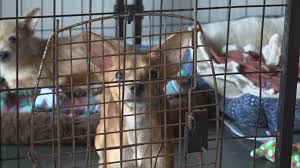
You reach the crowded boarding gate, heart pounding, only to hear the dreaded words from the gate agent: “That bag is too big.”
To guarantee boarding, an airline approved pet carrier for in cabin travel must be soft-sided, well-ventilated, feature a waterproof bottom, and strictly measure under 18″ L x 11″ W x 11″ H. Finding the right bag is the absolute difference between a peaceful flight and being stranded at the airport terminal.
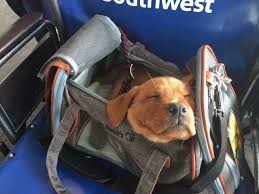
Most pet owners blindly trust Amazon product titles and end up buying a bag that violates airline policies. You are risking a ruined vacation, lost money, and massive anxiety for your dog. Your pet deserves a safe, comfortable flight right by your feet.
Here is a quick overview of what actually gets you onto the airplane.
The In-Flight Carrier Mind Map
- The Golden Dimensions: Target 18″ L x 11″ W x 11″ H to fit safely under most commercial airline seats.
- The Material Rule: Soft-sided nylon and mesh allow the bag to “squish” slightly under low seat frames.
- The Comfort Metric: Your dog must be able to stand up and turn around completely while zipped inside.
- The Security Feature: Auto-locking zippers prevent your dog from nosing their way out mid-flight.
The “Airline Approved” Marketing Lie
Pet supply manufacturers use incredibly deceptive marketing tactics. They proudly stamp “Airline Approved” across their packaging to secure a quick sale.
The brutal reality is that there is no universal governing body that officially approves pet luggage. Every single commercial airline sets its own independent under-seat dimensions.
Buying a bag based solely on a marketing sticker is a massive gamble. You must verify the exact measurements against your specific flight itinerary before heading to the airport.
Why Hard-Sided Crates Fail at the Gate
Hard-sided plastic crates are brilliant for car travel and cargo holds. They are an absolute disaster for in-cabin flights.
The space beneath an airplane seat is notoriously cramped and heavily obstructed by life vest boxes and electronic equipment boxes. A hard-sided plastic crate has zero flexibility, meaning if it is half an inch too tall, it will not fit.
If the crate does not slide entirely under the seat in front of you, flight attendants will legally force you off the aircraft.
The Under-Seat Dimension Trap
Airlines like Delta, American, and Southwest all have slightly different under-seat clearances. Furthermore, these dimensions change based on the specific airplane model (e.g., Boeing 737 vs. Airbus A320).
You must research the specific aircraft you are flying on. Never assume your carrier will fit just because it worked on a previous flight with a different airline.
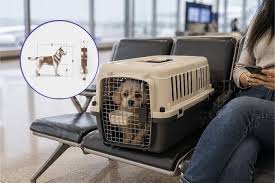
Always call the airline’s special assistance desk 48 hours before your flight to confirm their exact carrier dimension requirements.
[Image: A frustrated traveler at an airport gate desk, holding a rigid plastic pet carrier while a gate agent shakes their head no.]
The Anatomy of a Guaranteed Boarding Bag
To completely eliminate airport anxiety, you must select luggage engineered specifically for commercial aviation. You need a highly functional piece of equipment, not just a cute fashion accessory.
The perfect bag blends structural integrity with absolute flexibility.
Here are the non-negotiable features you must look for when shopping for your travel carrier.
Soft-Sided Flexibility is Mandatory
The ultimate secret to successful boarding is the “squish factor.” A premium soft-sided carrier features a rigid base but utilizes flexible wire framing around the top edges.
This specific design allows the bag to safely compress by an inch or two when you slide it under a low airplane seat. Once underneath, the flexible wire pops back into place, maximizing the interior headroom for your dog.
An airline approved pet carrier for in cabin travel must have this pliable top frame to navigate tight cabin architecture.
Ventilation and the Stress Factor
Airplane cabins are notoriously hot, stuffy, and loud. If you place your dog in a thick, canvas bag with limited airflow, they will quickly overheat and panic.
Your carrier requires heavy-duty, tear-resistant mesh paneling on at least three sides. This guarantees maximum cross-ventilation, pulling fresh cabin air directly into the bag.
It also provides crucial visual access, allowing your dog to see you sitting right next to them, which drastically lowers their flight anxiety.
Size Matters: How to Measure Your Dog for Flight
Stuffing a large dog into a tiny bag is a severe animal welfare issue. Airlines strictly enforce comfort rules, and gate agents will actively inspect your dog inside the bag.
If your dog looks cramped, crushed, or uncomfortable, you will be denied boarding on the spot. You must measure your dog accurately before you ever measure the bag.
Use a soft measuring tape and follow these exact veterinary guidelines.
The Turnaround Rule
The most aggressively enforced airline policy is the “turnaround rule.” Your dog must be able to stand up, turn around 360 degrees, and lie down naturally without their head pressing into the top mesh.
To ensure this, measure your dog from the tip of their nose to the base of their tail (do not include the tail length). Add three inches to this number to find your absolute minimum carrier length.
Next, measure from the floor to the top of their shoulder blades to determine the minimum required height.
Weight Limits and Health Certificates
Size is not the only strict metric; weight is equally critical. Most major airlines enforce a strict 20-pound weight limit, which heavily includes the combined weight of the dog and the carrier itself.
If your dog weighs 18 pounds and you buy a heavy, 4-pound leather travel bag, you are over the legal flight limit. Choose a lightweight nylon carrier to maximize your available weight allowance.
Additionally, almost all airlines require a signed veterinary health certificate issued within 10 days of your departure date.
[Image: A visual diagram showing exactly how to measure a standing dog’s length and height using a soft measuring tape.]
Vet-Approved Features to Keep Your Pet Calm
As a pet behaviorist, I see countless dogs traumatized by the chaotic airport environment. The terminal is loud, smells strange, and is packed with rushing strangers.
Your choice of carrier directly impacts your dog’s mental health during the journey. You need a bag that acts as a secure, calming sanctuary.
Look for these advanced behavioral features to keep your dog quiet and relaxed at 30,000 feet.
Privacy Flaps and Sensory Overload
Dogs process anxiety through visual overstimulation. Being carried through a busy TSA security line is terrifying for a small animal.
Purchase a carrier equipped with roll-down privacy flaps over the mesh windows. When the airport gets too chaotic, rolling down the flaps instantly darkens the interior and blocks the terrifying visuals.
This simple feature effectively mimics the safety of a dark den, naturally lowering their heart rate and stopping stress-induced barking.
Escape-Proof Locking Zippers
A terrified dog is an incredibly determined escape artist. Standard luggage zippers can be easily nudged open by a persistent dog snout.
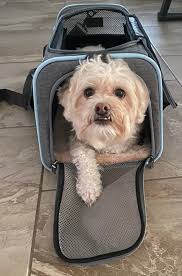
If your dog escapes their bag in the middle of a crowded airport concourse, the results can be deadly. You must insist on a carrier featuring auto-locking zippers or specialized zipper clips.
These mechanisms physically lock the dual zippers together, ensuring your dog stays safely contained no matter how much they paw at the mesh.
Pre-Flight Training: Eliminating Cabin Anxiety
You cannot buy a brand-new carrier the night before your flight and expect your dog to happily jump inside. Forcing them into an unfamiliar bag on travel day guarantees a vocal, highly stressed flight.
You must systematically desensitize your dog to the bag weeks before you ever head to the airport.
Follow this strict behavioral acclimation protocol to ensure a completely silent flight.
The Living Room Acclimation Phase
Leave the open carrier in your living room exactly one month before your scheduled departure. Place their favorite blanket, high-value treats, and a piece of your unwashed clothing inside.
Never force your dog into the bag; let them explore it entirely on their own terms. Once they willingly sleep inside the open bag, practice zipping it closed for just five minutes at a time.
Slowly increase the duration over several weeks, rewarding them heavily for remaining quiet and calm while fully enclosed.
TSA Security Checkpoint Protocols
Many pet owners are completely unaware of the TSA screening process. You cannot send your dog through the luggage X-ray machine.
You must physically remove your dog from the carrier, send the empty bag through the X-ray, and carry your dog through the human metal detector. This requires your dog to be comfortable being handled in a loud, high-stress environment.
Always keep your dog securely harnessed and leashed during this process, as a dropped dog in a TSA line will bolt immediately.
[Image: A calm traveler holding a small dog in their arms while walking through a standard airport metal detector, with their pet carrier on the X-ray belt.]
Top Checklist for Your Next Flight
Flying with a dog requires military-level precision and planning. You cannot rely on airport stores to carry specialized pet gear if you forget something at home.
You must build a dedicated travel kit that fits seamlessly inside your personal item or the carrier’s side pockets.
Before you leave for the airport, double-check this mandatory equipment list.
Essential Travel Gear
- Collapsible Silicone Bowl: You cannot use standard bowls in transit. Bring a collapsible bowl to offer small sips of water during layovers.
- Pee Pads: Line the bottom of your waterproof carrier with highly absorbent puppy pads in case of a mid-flight nervous accident.
- High-Value Chew: A heavy-duty, odor-free chew (like a bully stick) forces your dog to focus on chewing rather than the strange airplane engine noises.
- Leash and Harness: Never travel with just a collar. A properly fitted escape-proof harness is mandatory for navigating the TSA checkpoints safely.
By prioritizing flexibility, proper dimensions, and dedicated behavioral training, you will master the skies with your canine companion. Stop guessing at the boarding gate and start traveling with absolute confidence.
Disclaimer: The content on Snoutbit.com is for informational and educational purposes only and does not constitute professional veterinary medical advice. Always consult with a licensed veterinarian before altering your pet’s diet, starting a new training regimen, or addressing behavioral or health concerns.