It is 2:00 AM, and your dog is acting strange. You are frantically scrolling through your phone, terrified to make the wrong call while your best friend stares at you in obvious distress.
The immediate signs your dog needs to go to the emergency vet include pale or blue gums, unproductive retching with a swollen abdomen, difficulty breathing, sudden hind-leg paralysis, collapse, seizures lasting over three minutes, and suspected ingestion of lethal toxins. If you see any of these, stop reading and drive.
Dogs are biological masters at hiding their physical pain. By the time they actually show you how sick they truly are, their internal systems are often already crashing. You cannot afford to wait for your primary clinic to open tomorrow morning. Let’s break down the exact red flags that dictate a life-or-death rush to the animal hospital.
The Midnight Panic: Wait and See or Rush to the ER?
Every pet parent knows the agonizing anxiety of the “wait and see” game. Your dog throws up their dinner, and you instantly wonder if they just ate grass or if their intestines are actively twisting.
The problem is that guessing is incredibly dangerous. Canine biology moves incredibly fast, and conditions like systemic shock or internal bleeding can become completely irreversible within a matter of hours.
You need to switch your mindset from a worried pet owner to a clinical first responder. Removing the emotion and strictly evaluating their physical symptoms is the only way to save their life.
The Cost of Guessing
Ignoring severe medical symptoms to avoid a hefty emergency bill is a gamble you will eventually lose. Waiting 12 hours to treat a toxic ingestion transforms a simple, inexpensive vomiting induction into a $5,000 multi-day ICU stay.
Even worse, delaying care for critical conditions often results in fatalities that were entirely preventable. Your primary job is to recognize the severe physiological warnings your dog’s body is giving you.
[Image: A worried pet owner sitting on the floor next to a lethargic Golden Retriever, holding a phone and looking stressed about making a late-night clinic run.]
The 7 Undeniable Signs Your Dog Needs to Go to the Emergency Vet
You do not need a veterinary degree to recognize a crashing patient. You just need to know exactly where to look and what behaviors to monitor.
If your dog displays even one of the following seven clinical signs, grab your keys immediately. Time is your absolute worst enemy in these scenarios.
1. Unproductive Retching and a Swollen Abdomen
If your dog is pacing frantically, drooling heavily, and trying to vomit but nothing is coming up, you have minutes to act. This is the hallmark symptom of Gastric Dilatation-Volvulus (GDV), commonly known as canine bloat.
During GDV, the stomach fills with gas and violently twists in on itself, completely cutting off the blood supply to the heart and spleen. Without immediate emergency surgery, GDV is 100% fatal.
If their belly feels tight like a drum and they cannot get comfortable, put them in the car immediately.
2. Pale, White, or Blue Gums
Your dog’s gums are a direct window into their cardiovascular system. Lift their upper lip right now; a healthy dog’s gums should be a vibrant, bubblegum pink.
If those gums are stark white, pale grey, or blue, your dog is in a state of critical shock. This indicates massive internal bleeding, severe anemia, or a total lack of oxygen reaching their brain.
Do not wait to see if their color returns. A dog with white gums is actively bleeding out internally and requires immediate medical triage and potential blood transfusions.
3. Severe Respiratory Distress
Dogs pant to cool down, but respiratory distress looks and sounds entirely different from normal heat regulation. If your dog is stretching their neck out straight, standing with their elbows wide apart, and aggressively using their stomach muscles to pull in air, they are suffocating.
You might also hear loud wheezing, crackling, or harsh honking noises with every single breath. Respiratory failure can be caused by heart failure, severe allergic reactions, or choking.
Never attempt to perform a doggie Heimlich maneuver unless you have been formally trained, as you can easily shatter their ribs. Let the emergency vet handle airway clearing.
[Image: A veterinarian in scrubs carefully examining a dog’s gums and teeth under bright examination lights to check for capillary refill time and oxygenation.]
4. Sudden Inability to Use Hind Legs
If your dog was running in the yard and suddenly collapses in their hind end, dragging their back legs behind them, you are facing a severe neurological event.
This sudden paralysis is most frequently caused by Intervertebral Disc Disease (IVDD) or a fibrocartilaginous embolism (spinal stroke). A ruptured spinal disc violently compresses the spinal cord, entirely severing the nerve signals to their legs.
If surgery is not performed within 12 to 24 hours of deep pain loss, the paralysis will become permanent. Carry them carefully on a flat board to the car to prevent further spinal severing.
5. Seizures Lasting Longer Than 3 Minutes
A single, short seizure lasting 60 seconds is terrifying, but it is rarely a fatal emergency. However, if a seizure crosses the three-minute mark, your dog is entering a deadly state called “status epilepticus.”
During a prolonged seizure, the canine brain aggressively overheats, rapidly cooking the internal organs and causing irreversible brain damage.
Additionally, if your dog has multiple short seizures back-to-back without fully waking up in between (cluster seizures), they require immediate intravenous anti-convulsant drugs to stop the electrical storm in their brain.
6. Ingestion of Known Lethal Toxins
Dogs are notorious counter-surfers, and the modern household is filled with incredibly dangerous chemicals and foods. You cannot simply induce vomiting at home with hydrogen peroxide anymore, as it causes severe stomach ulcerations.
You must rush to the emergency clinic if you suspect your dog consumed any of the following items:
- Xylitol (Birch Sugar): Found in sugar-free gum and peanut butter; causes fatal hypoglycemia and acute liver failure within 30 minutes.
- Grapes or Raisins: Even a single grape can trigger sudden, irreversible kidney failure in certain dogs.
- Rodenticide (Rat Poison): Destroys the body’s ability to clot blood, causing them to slowly bleed to death internally over several days.
- Antifreeze (Ethylene Glycol): Extremely sweet-tasting but rapidly forms sharp crystals that completely shred the kidneys.
7. Profuse Bleeding or Unexplained Bruising
External trauma like a dog bite or a car accident clearly warrants an emergency visit if the bleeding will not stop after five minutes of direct, heavy pressure.
However, spontaneous internal bleeding is far more insidious. If you suddenly notice large purple or red splotches (petechiae) covering your dog’s hairless belly or inside their ears, their blood has completely stopped clotting.
This points directly to severe autoimmune diseases, tick-borne illnesses, or rat poison ingestion, requiring aggressive plasma transfusions.
[Image: A graphic warning label showing common household foods toxic to dogs, including a chocolate bar, a bunch of green grapes, and a bottle of sugar-free gum containing xylitol.]
How to Perform a Basic At-Home Canine Triage
When panic sets in, you need a highly objective way to evaluate your dog’s physical state. Knowing how to grab their baseline vitals takes exactly two minutes and provides the emergency vet with crucial data while you are still on the phone.
Mastering these two simple at-home tests will immediately tell you if your dog is stabilizing or crashing.
Checking the Capillary Refill Time (CRT)
This simple test measures how effectively your dog’s heart is pumping blood. Lift your dog’s upper lip and press your thumb firmly against their pink gums until the tissue turns completely white.
Release your thumb and count exactly how many seconds it takes for the pink color to fully return. A healthy dog’s CRT is under two seconds.
If it takes three, four, or five seconds for the color to return, your dog is experiencing massive circulatory failure and requires immediate oxygen and IV fluids.
Monitoring Heart Rate and Temperature
You can easily find your dog’s pulse by pressing your fingers flat against the inside of their upper hind leg, right where it meets the groin (the femoral artery). A normal resting heart rate is between 60 and 140 beats per minute, depending strictly on the dog’s size.
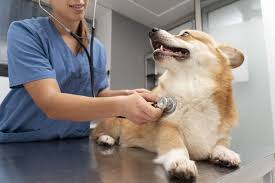
If their heart is racing uncontrollably while they are resting, or beating dangerously slow, they are in trouble.
Furthermore, a normal canine temperature is 101.0 to 102.5 degrees Fahrenheit. A temperature spiking over 104 degrees or dropping below 99 degrees is a life-threatening, critical emergency.
What to Do While Heading to the Animal Hospital
Once you have identified the undeniable signs your dog needs to go to the emergency vet, your reaction time dictates their survival.
Do not waste time frantically searching the house for their favorite toy or leash. Grab the dog, your wallet, and your keys, and get moving.
Call Ahead and Prepare the ER Team
Never just show up unannounced at an emergency veterinary hospital. Always call them while you are sitting in the passenger seat on the way there.
Tell the front desk exactly what your dog’s symptoms are, what their CRT is, and your exact estimated time of arrival.
Calling ahead allows the clinical team to prepare an oxygen cage, draw up emergency crash drugs, and clear a triage table before you even pull into the parking lot. Those saved minutes are exactly what will save your best friend’s life.
Disclaimer: The content on Snoutbit.com is for informational and educational purposes only and does not constitute professional veterinary medical advice. Always consult with a licensed veterinarian before altering your pet’s diet, starting a new training regimen, or addressing behavioral or health concerns.