You just filled the stainless-steel bowl to the brim, and five minutes later, it is completely bone dry. You are left staring at the empty dish, wondering if this insatiable thirst is just a harmless quirk or a terrifying symptom.
So, what causes a dog to drink excessive amounts of water? The most common causes are canine diabetes, chronic kidney disease, Cushing’s disease, severe dehydration, or the side effects of prescription steroids. This biological condition, medically known as polydipsia, is never something to ignore.
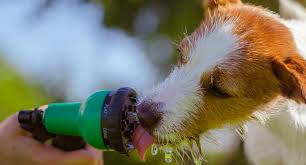
While panting after a long game of fetch naturally requires rehydration, a dog that cannot leave the water bowl alone is actively flashing a massive medical warning sign. If you catch them drinking out of the toilet or puddles, a major internal organ is desperately calling for help.
The Excessive Thirst Mind Map
- The Baseline Need: Healthy dogs require roughly one ounce of water per pound of body weight daily.
- The Endocrine Threat: Hormonal imbalances like diabetes and Cushing’s disease force the body to continuously purge fluids.
- The Filtration Failure: Failing kidneys lose the absolute ability to concentrate urine, leading to massive dehydration.
- The Golden Rule: Never restrict a thirsty dog’s access to fresh water, even if they are having accidents inside the house.
The Silent Danger of Polydipsia and Polyuria
When discussing extreme canine thirst, veterinary professionals use two highly specific terms: polydipsia and polyuria. Polydipsia simply means drinking abnormally large volumes of liquid.
Polyuria is its mandatory partner, referring to the production of massive amounts of abnormally pale, dilute urine. You cannot have one without the other.
If your dog is guzzling water, their body is rapidly flushing it straight out onto the living room rug.
How to Calculate Normal Hydration Levels
Before rushing to the emergency clinic, you must determine if the intake is actually excessive. A healthy canine should consume roughly 1 ounce of water per pound of body weight every 24 hours.
A healthy 50-pound Labrador should drink approximately 50 ounces (about six cups) of water daily. If that same dog is suddenly consuming over 100 ounces a day, they have officially crossed the threshold into clinical polydipsia.
You must measure exactly how much water goes into the bowl every morning to provide your veterinarian with an accurate baseline.
[Image: A clear measuring cup pouring fresh water into a stainless steel dog bowl, visually representing the importance of measuring daily canine fluid intake.]
The Big Three: What Causes a Dog to Drink Excessive Amounts of Water?
If the math proves your dog is over-consuming fluids, you must look at the internal organ systems. Three major diseases are responsible for the vast majority of sudden, unquenchable canine thirst.
These are incredibly serious medical conditions that require immediate blood panels and aggressive management.
Here is exactly how these diseases manipulate your dog’s biological hydration cycle.
1. Canine Diabetes Mellitus (The Sugar Trap)
Diabetes occurs when a dog’s pancreas entirely stops producing insulin, the hormone responsible for pushing energy into cells. Without insulin, massive amounts of glucose (sugar) build up directly in the bloodstream.
The kidneys attempt to filter out this toxic level of sugar by dumping it into the urine. However, glucose physically binds to water molecules, dragging massive amounts of bodily fluids out into the bladder with it.
The dog becomes severely, dangerously dehydrated from the inside out, forcing them to drink endlessly just to survive.
2. Chronic Kidney Disease (Renal Failure)
Healthy kidneys act as brilliant, highly efficient water recyclers. They filter dangerous toxins out of the blood while pulling vital moisture back into the body, creating concentrated yellow urine.
When kidney tissue dies due to age, toxins, or genetics, the organ completely loses its ability to recycle that water. The fluid simply dumps straight through the damaged kidneys and out of the body as clear, odorless liquid.
Drinking gallons of water is the dog’s desperate attempt to replace the fluids their failing kidneys are actively wasting.
3. Cushing’s Disease (Hyperadrenocorticism)
Cushing’s disease is typically caused by a tiny, benign tumor located directly on the pituitary gland. This tumor commands the adrenal glands to overproduce massive, toxic amounts of cortisol, the body’s primary stress hormone.
Elevated cortisol acts as a powerful, relentless diuretic within the canine body.
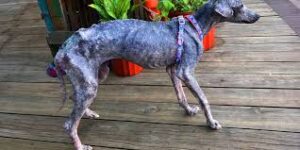
Alongside a severely swollen, pot-bellied abdomen and extreme hair loss, unquenchable thirst is the primary hallmark of a dog suffering from Cushing’s.
The Diagnostic Symptom Table
| Suspected Disease | Primary Mechanism | Additional Warning Signs |
|---|---|---|
| Diabetes Mellitus | Excess glucose pulls water into urine. | Ravenous appetite, sudden weight loss, sweet-smelling breath, cataracts. |
| Kidney Disease | Damaged nephrons cannot concentrate urine. | Lethargy, vomiting, mouth ulcers, pale gums, complete loss of appetite. |
| Cushing’s Disease | Excess cortisol acts as a massive diuretic. | Pot-bellied appearance, chronic panting, thin skin, symmetrical hair loss. |
| Pyometra (Females) | Severe uterine bacterial infection. | Pus discharge, lethargy, high fever. (Fatal emergency) |
Export to Sheets
Environmental and Dietary Triggers
Not every empty water bowl points directly to a fatal organ failure. Sometimes, the answer to what causes a dog to drink excessive amounts of water sits directly in their food dish.
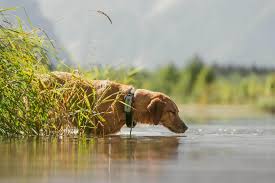
Dietary changes heavily impact cellular hydration levels. Before panicking, you must audit your dog’s immediate environment and daily nutritional intake.
Simple lifestyle shifts can drastically spike their daily biological water requirements.
The Dry Kibble Factor
Standard commercial dog kibble contains a shockingly low moisture content, typically hovering around ten percent. If you suddenly switch a dog from a heavily hydrated wet food diet to a strictly dry kibble, their water intake will immediately skyrocket.
The canine digestive tract requires massive amounts of fluid to properly break down and process hard, dehydrated pellets.
If you recently changed brands or food formats, a spike in thirst is a completely normal, biological compensation mechanism.
Hidden Sodium and Sneaky Treats
Just like humans, dogs get incredibly thirsty after eating highly salted foods. While high-quality dog foods perfectly balance sodium levels, human table scraps do not.
Feeding a dog leftover deli meats, salty cheeses, or heavily seasoned broths will trigger a massive, immediate thirst response.
If the excessive drinking only happens on the weekends after a family barbecue, the culprit is the salty snacks, not a failing organ.
[Image: A veterinarian closely examining a vial of canine blood and a urine sample, highlighting the medical testing required to diagnose excessive thirst.]
The Medication Connection
If your dog is currently undergoing medical treatment, the prescription bottle might hold the answer to their frantic thirst. Several highly common canine drugs alter kidney function by design.
You must consult the warning labels on any new medications.
Never abruptly stop a prescribed medication without explicit veterinary approval, even if the resulting thirst is highly frustrating.
Corticosteroids (Prednisone)
Veterinarians widely prescribe steroids like Prednisone to combat severe allergic reactions, autoimmune diseases, and intense spinal inflammation. These drugs are incredibly effective, but they come with aggressive, guaranteed side effects.
Prednisone scientifically mimics the effects of Cushing’s disease, forcing the kidneys to rapidly excrete water.
If your dog is on an active steroid taper, excessive drinking and frequent urinary accidents are entirely expected and will resolve once the medication stops.
Diuretics (Furosemide/Lasix)
If your dog suffers from congestive heart failure, they are likely taking a heavy daily diuretic. These specific drugs are engineered to actively pull dangerous fluid buildup directly out of the lungs.
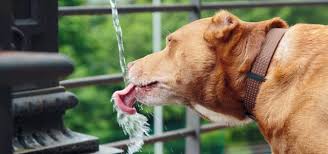
This forced fluid removal makes the dog incredibly thirsty by design.
Restricting water for a dog on a diuretic will cause catastrophic, immediate dehydration and crash their delicate cardiovascular system.
The Action Plan: What To Do Next
If you have ruled out hot weather, salty treats, and prescription medications, the endless thirst is a glaring medical siren. You cannot fix endocrine diseases or failing kidneys with simple home remedies.
Taking fast, decisive action is the only way to protect your dog’s internal organs from permanent, irreversible damage.
Take these two immediate steps today to start the diagnostic process:
- Perform the 24-Hour Measure: Empty the water bowl completely. Measure exactly how many fluid ounces you pour into the bowl over a strict 24-hour period, writing the final total down on paper.
- Catch a Morning Sample: Use a clean, shallow plastic container to catch your dog’s urine first thing in the morning. Bring this fresh sample, along with your 24-hour water measurement, directly to your veterinarian for a complete urinalysis and specific gravity test.
Disclaimer: The content on Snoutbit.com is for informational and educational purposes only and does not constitute professional veterinary medical advice. Always consult with a licensed veterinarian before altering your pet’s diet, starting a new training regimen, or addressing behavioral or health concerns.