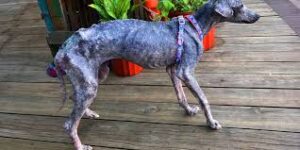
You love cuddling on the couch, but suddenly your canine companion smells like a musty gym sock. Your immediate instinct is to drag them into the bathtub and scrub them down with heavily scented soap.
Stop right there.
So, exactly how often should you bathe an indoor dog? Most healthy indoor dogs only need a full bath once every 4 to 8 weeks. Bathing them more frequently than this actively destroys their protective skin barrier and creates massive dermatological problems.
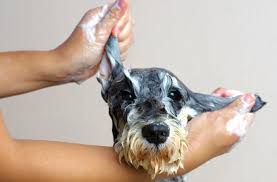
If you are washing your dog every single weekend because they live inside the house, you are causing invisible, microscopic damage. You are desperately trying to wash away the “dog smell,” but you are actually trapping your pet in a vicious cycle of dry skin and overactive oil production.
Let’s completely overhaul your grooming routine. We are going to protect your dog’s delicate biology while ensuring your home smells perfectly fresh.
The Dirty Truth About Over-Bathing Your Dog
You assume that a clean dog is a healthy dog. This is a massive misunderstanding of canine biology.
Unlike human skin, which requires daily washing to remove sweat, dog skin is incredibly thin and heavily reliant on a delicate balance of natural lipids. When you intervene too often, the biological consequences are severe.
Using the Problem, Agitate, Solution (PAS) framework, let’s look at exactly what happens when the shampoo bottle comes out too often.
Stripping the Essential Sebum
A dog’s skin naturally produces a complex oil called sebum. This oil coats every single hair follicle, acting as a powerful, waterproof shield against environmental allergens and dangerous bacteria.
When you scrub an indoor dog weekly, harsh shampoos completely strip this vital sebum away. The skin is left entirely naked, tight, and highly vulnerable to microscopic infections.
Without this lipid barrier, common indoor dust mites and pollen easily penetrate the skin barrier, triggering massive allergic reactions.
The Endless Itch-Scratch Cycle
Once the sebum is destroyed, the dog’s body panics. The skin rapidly dries out, leading to severe, painful flaking resembling human dandruff.
Your dog will immediately start aggressively scratching their flanks and chewing their paws to relieve the intense, tight discomfort. Ironically, to overcompensate for the missing oil, their body will suddenly overproduce sebum.
This rapid overproduction creates a greasy, foul-smelling coat. You smell the new grease, assume they are dirty again, and throw them right back in the bathtub, permanently trapping them in a cycle of dermatological misery.
[Image: A frustrated dog aggressively scratching its side with its hind leg, illustrating the painful reality of dry, over-washed skin.]
Coat Type Determines the True Bathing Schedule
The “four to eight-week” rule is an excellent baseline, but genetics dictate the final schedule. You cannot treat a hairless breed exactly the same as a massive, heavy-shedding herder.
Every single coat type interacts with indoor dirt, dead dander, and natural skin oils completely differently.
Here is exactly how to tailor your bathing schedule to your specific dog.
Managing Short, Smooth Coats
Breeds like Boxers, Pugs, and Greyhounds feature short, tightly packed fur that sits flush against the body. Because their hair is so short, skin oils travel quickly from the follicle to the tip of the fur.
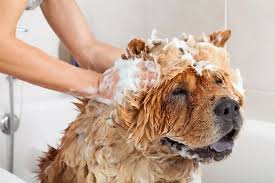
These dogs actually require slightly more frequent bathing to manage the rapid oil buildup. An indoor dog with a smooth coat thrives on a strict bath every 4 to 6 weeks.
Use a highly gentle, hypoallergenic oatmeal shampoo. Avoid harsh degreasers, which will instantly dry out their exposed skin and cause massive shedding across your furniture.
Protecting the Double-Coated Dog
Consider a highly active Southeast Asian Village Dog and Shiba Inu mix. Owners frequently assume this thick, plush double coat needs constant scrubbing to manage the heavy shedding indoors.
In reality, their coarse outer layer is naturally weather-resistant and highly dirt-repellent. Over-bathing this specific mix permanently damages their natural insulation and causes massive, painful skin flaking.
Double-coated indoor dogs should only be fully bathed every 8 to 12 weeks. Instead of water, they require aggressive daily undercoat raking to remove dead, trapped fur and distribute their natural oils safely.
Dealing with Hair, Not Fur (Poodles and Doodles)
Dogs that grow continuous hair instead of fur operate under a completely different set of grooming rules. Their tightly coiled curls trap everything from outdoor mud to their own dead skin cells.
If this trapped debris is not washed away, the hair rapidly forms painful, solid pelts tight against the skin.
Curly-haired indoor breeds require a professional-level bath and blowout every 4 to 6 weeks. This must be paired with daily, deep-line brushing down to the skin to prevent catastrophic matting.
[Image: A high-quality, side-by-side comparison chart showing a smooth-coated dog, a double-coated dog, and a curly-haired dog with their specific bathing timelines.]
The Sniff Test: Signs Your Dog Actually Needs a Bath
If you are not sticking to a calendar, you must rely on physical and biological cues. Your dog will explicitly tell you when their skin barrier is overloaded with debris.
Do not just bathe them because you have guests coming over. Bathe them because their body is actually requiring a hygienic reset.
Here are the undeniable warning signs that it is time to turn on the warm water.
The “Frito Paw” and Yeast Overgrowth
If your dog smells strongly of wet corn chips, they are not just dirty. That highly specific, musty odor is a massive biological indicator of a microscopic yeast overgrowth.
Yeast thrives aggressively in the damp, dark spaces directly between the toe webbing and inside the armpits.
If you smell corn chips, you must use a specialized antifungal or chlorhexidine canine shampoo. Standard scented grooming products will do absolutely nothing to kill this aggressive fungal bloom.
Environmental Toxins and Allergens
Indoor dogs still go outside to use the bathroom. When they walk across chemically treated lawns, harsh fertilizers stick directly to their sweaty paw pads and underbelly.
If your dog comes inside and immediately rubs their oily, pollen-covered coat against your custom household cabinetry or living room rugs, they are spreading concentrated allergens.
If they roll in something visibly sticky, toxic, or foul-smelling, throw the eight-week rule out the window. Immediate, targeted bathing is absolutely mandatory for their safety.
How to Keep an Indoor Dog Clean Between Baths
The secret to a fresh-smelling house is not constant bathing. It is mastering the art of the daily, dry hygienic reset.
You can easily extend the time between full baths to twelve weeks by implementing a bulletproof daily maintenance routine.
Stop reaching for the shampoo bottle and start utilizing these highly effective, dry grooming tactics.
Utilize Waterless Shampoos and Wipes
The pet industry has perfected the waterless bath. High-quality canine grooming foams encapsulate dirt and heavy oils without ever touching the delicate skin barrier.
- Step 1: Pump a generous amount of hypoallergenic waterless foam directly into your hands.
- Step 2: Vigorously massage the foam into the dog’s dry coat, focusing heavily on the smelly collar area and the base of the tail.
- Step 3: Use a highly absorbent microfiber towel to forcefully wipe the foam—and the trapped dirt—completely off the dog.
Keep a dedicated pack of unscented canine grooming wipes right next to the front door. Wiping their paws and underbelly the exact second they step back inside physically removes 90% of odor-causing outdoor dirt.
Daily Brushing is Non-Negotiable
A slicker brush is the single greatest odor-eliminating tool in your entire house. Brushing physically separates the hair shafts, allowing trapped oxygen to reach the skin.
This mechanical action naturally distributes their heavy sebum production evenly down the entire length of the hair follicle. It pulls out the dead, decaying undercoat that holds onto massive amounts of foul-smelling bacteria.
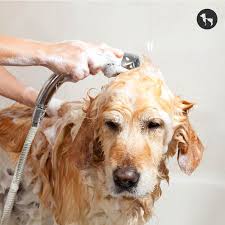
Five minutes of aggressive, proper brushing every single night easily replaces a full hour of stressful bathtub scrubbing.
[Image: A pet owner gently but firmly brushing an indoor dog on a living room rug, using a high-quality slicker brush to remove dead undercoat.]
What To Do Next
Ready to stop the frantic scratching and finally balance your dog’s delicate skin? Take these two simple, immediate steps today:
- Audit Your Shampoo: Go to the bathroom and throw away any human shampoos, dish soaps, or heavily perfumed cheap pet washes. Purchase a high-quality, pH-balanced oatmeal or aloe-based canine shampoo immediately.
- Mark the Calendar: Look at the date of your dog’s last full bath. Count forward exactly six weeks and set a hard reminder on your phone; absolutely no full-body scrubbing is allowed until that specific alarm goes off.
Disclaimer: The content on Snoutbit.com is for informational and educational purposes only and does not constitute professional veterinary medical advice. Always consult with a licensed veterinarian before altering your pet’s diet, starting a new training regimen, or addressing behavioral or health concerns.