We’ve all accepted it as a normal part of pet ownership: you lean in for a cuddle, and you are hit with a wave of foul, fishy “doggy breath.”
But here is a terrifying veterinary reality. That smell isn’t normal, and it isn’t harmless.
The most common signs of dental disease in dogs are bad breath, red or bleeding gums, yellow tartar buildup, difficulty chewing, and pawing at the mouth. If your dog has chronic halitosis, they are likely suffering from advanced periodontal disease.
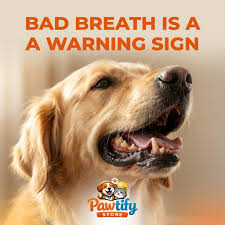
While you might joke about their stinky breath, bacteria are actively eating away at their gum line right now. This causes severe, throbbing pain and destroys the roots of their teeth. By the time you actually notice they are suffering, the tooth is often already dead.
You need to recognize the subtle symptoms of canine oral disease today. Catching this early can save your dog’s teeth, protect their internal organs, and save you thousands in emergency vet bills.
The “Doggy Breath” Myth: Why Stinky Kisses Are a Warning Sign
Let’s set the record straight: healthy dogs do not have horribly smelly breath. A slight odor after eating kibble is fine, but a persistent stench indicates a massive bacterial infection.
When food particles mix with saliva, they form a sticky film called plaque. If this plaque isn’t brushed away within 48 hours, it hardens into concrete-like tartar.
This tartar pushes under the gum line, creating deep pockets where anaerobic bacteria thrive. These bacteria release volatile sulfur compounds—the exact same chemicals that make rotting eggs smell so horrible.
The Silent Epidemic of Periodontal Disease
Did you know that by age three, over 80% of dogs have some form of active dental disease? It is the single most common clinical condition diagnosed by veterinarians today.
Because dogs are masters at hiding pain, they will continue to eat and play while their mouth is throbbing. As a pet parent, you have to be their ultimate advocate.
You cannot wait for your dog to stop eating to check their mouth. You need to proactively look for the physical red flags.
[Image: A veterinarian gently lifting the lip of a Golden Retriever to examine its teeth and bright red gums.]
7 Undeniable Signs of Dental Disease in Dogs
Bad breath is the primary warning siren. But it is rarely the only symptom your dog is displaying.
If you suspect your dog’s oral hygiene is failing, you need to perform a quick at-home mouth inspection immediately.
Here are the most critical signs of dental disease in dogs to look out for today.
1. Inflamed, Red, or Bleeding Gums (Gingivitis)
Healthy canine gums should be a soft, bubblegum pink (unless your dog has naturally pigmented black gums). They should sit tight and flush against the white enamel of the teeth.
If the gums look bright red, swollen, or puffy, your dog has gingivitis. This is the very first stage of periodontal disease.
If you see blood on their chew toys or in their water bowl, the disease has progressed to a dangerous level.
2. Heavy Tartar and Plaque Buildup
Lift your dog’s lip and look closely at the upper back teeth (the molars and premolars). This is where tartar loves to hide.
Plaque starts as a soft, clear film, but tartar looks like thick, hard, yellow or brown cement stuck to the tooth.
Once tartar has calcified onto the enamel, no amount of at-home brushing will remove it. It strictly requires professional scaling by a veterinarian.
3. Dropping Food or Difficulty Chewing
Is your dog suddenly eating slower than usual? Do they pick up a piece of kibble, drop it, and hesitate to pick it back up?
This is a classic sign of severe tooth decay and root pain. Chewing hard kibble puts pressure on an infected tooth root, sending a shock of pain directly through their jaw.
Many dogs will start swallowing their kibble entirely whole or only chewing on one side of their mouth to avoid the agony.
[Image: A close-up shot of a dog looking sadly at a bowl of dry kibble, illustrating a reluctance to eat due to severe oral pain.]
4. Pawing at the Mouth or Facial Swelling
When a dog feels localized pain in their jaw, they will frequently rub their face against the carpet or furniture. You might also catch them frantically pawing at their own muzzle.

In advanced cases of tooth decay, an infected tooth can form a massive pocket of pus known as a tooth root abscess.
If you notice sudden swelling directly below your dog’s eye, this is a ruptured abscess and requires an immediate emergency vet visit.
5. Excessive Drooling (Ptyalism)
Dogs drool when they anticipate food, but sudden, thick, and constant drooling is a massive red flag.
Oral pain and gum inflammation stimulate the salivary glands to work overtime. The drool is often thick, ropey, and heavily tinged with bad-smelling bacteria.
If your dog is leaving soaked spots on their dog bed and licking their lips constantly, their mouth is likely hurting.
6. Loose or Missing Teeth
Adult dogs should never have loose teeth. If a tooth is wiggling, the supportive bone structure underneath has been completely eaten away by infection.
Often, pet owners don’t even realize a tooth is missing until they notice a gap during a yawn.
A loose tooth is a dead tooth. It serves no purpose other than acting as a harbor for dangerous bacteria, and it must be surgically extracted.
7. Lethargy or Behavioral Changes
Has your normally playful pup become grumpy, distant, or even slightly aggressive? Chronic pain completely alters a dog’s personality.
Fighting off a massive bacterial infection in the mouth drains a dog’s immune system rapidly. They will sleep more, play less, and may snap if you try to touch their head.
Once the diseased teeth are removed, owners are frequently shocked to see their senior dog act like a puppy again.
The Hidden Dangers: How Dental Disease Destroys Internal Organs
Canine dental disease does not stay isolated in the mouth. It is a massive systemic threat to your dog’s entire body.
Every time your dog chews with infected gums, massive amounts of bacteria are pushed directly into their bloodstream.
This terrifying phenomenon is known as bacteremia, and it operates as a silent killer.
The Heart, Liver, and Kidney Connection
Once in the bloodstream, oral bacteria travel directly to the vital organs. The kidneys, liver, and heart are the primary targets for this bacterial shower.
Veterinary studies have proven a direct link between severe periodontal disease and endocarditis (deadly inflammation of the heart valves).
By ignoring your dog’s bad breath, you are inadvertently putting them at a significantly higher risk for early-onset organ failure.
[Image: An infographic or medical illustration showing the pathway of bacteria traveling from a dog’s infected gums through the bloodstream to the heart and kidneys.]
How to Treat and Prevent Canine Periodontal Disease
If you have noticed any of the signs of dental disease in dogs and bad breath mentioned above, do not panic. The condition is entirely treatable.

The primary goal is to stop the infection, remove the tartar, and establish a bulletproof daily routine.
Here is exactly how you handle canine oral care like a pro.
Step 1: Professional Veterinary Dental Cleanings
If your dog has hardened tartar or bright red gums, you cannot simply brush it away. You must schedule a Comprehensive Oral Health Assessment and Treatment (COHAT) with your vet.
This procedure is done under general anesthesia. It is the only way a vet can safely scale the plaque below the gum line and take dental X-rays without traumatizing the dog.
Dental X-rays are mandatory. Over 60% of the tooth is hidden below the gums, meaning a tooth can look perfectly white on top while the root is completely rotting away.
Step 2: Establish a Daily At-Home Brushing Routine
Once the teeth are professionally scaled and polished, it is your job to keep them clean. Daily brushing is the undisputed gold standard of canine dental care.
You must use a dog-specific enzymatic toothpaste. Human toothpaste contains fluoride and xylitol, which are highly toxic to dogs and can cause fatal liver failure.
Focus heavily on the outside of the upper teeth. Start slow, offer plenty of treats, and make the brushing experience as positive as possible.
Step 3: Utilize VOHC-Approved Dental Chews and Additives
We get it—brushing a dog’s teeth every single day is difficult. If you miss a day, you need passive backup hygiene methods.
Look for dental treats, water additives, and plaque-fighting powders that carry the VOHC (Veterinary Oral Health Council) Seal of Acceptance.
These products have been rigorously tested and scientifically proven to retard plaque and tartar buildup on canine teeth.
A Checklist for Peak Oral Hygiene
Consistency is everything when it comes to keeping your dog’s mouth healthy and pain-free. Use this simple checklist to stay on track all year long.
- Daily: Brush your dog’s teeth using a soft-bristled brush and enzymatic canine toothpaste.
- Weekly: Perform a quick visual inspection. Lift the lips and check for redness, bleeding, or yellow tartar.
- Monthly: Swap out old, worn-down chew toys that can harbor bacteria or crack teeth.
- Annually: Schedule a comprehensive oral exam and professional cleaning with your veterinarian.
[Image: A happy, healthy dog with a bright white smile holding a green VOHC-approved dental chew toy between its paws.]
Don’t Let Bad Breath Break Your Bond
Your dog relies entirely on you for their health, comfort, and longevity. Do not dismiss their bad breath as a funny, harmless quirk.
By recognizing the early signs of dental disease in dogs, you can stop the infection before it ruins their quality of life.
Take action today. Lift the lip, check the gums, and schedule that dental consultation.
Disclaimer: The content on Snoutbit.com is for informational and educational purposes only and does not constitute professional veterinary medical advice. Always consult with a licensed veterinarian before altering your pet’s diet, starting a new training regimen, or addressing behavioral or health concerns.