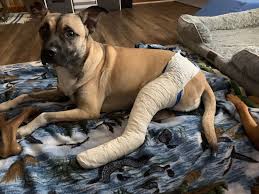
Bringing a beloved canine home directly following a major, highly invasive veterinary surgery instantly triggers pure parental terror. The dog frequently arrives completely groggy, highly disoriented, and entirely unwilling to even look at their standard food bowl. This sudden, highly stubborn refusal to eat causes massive anxiety, especially when the clinic strictly mandates administering heavy pain medications directly alongside a full stomach to prevent violent nausea.
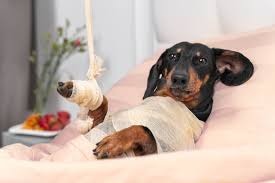
The definitive solution requires immediately abandoning the highly flawed strategy of aggressively forcing the dog to consume hard, heavily processed dry kibble. Successfully managing a highly delicate post-operative recovery strictly demands deploying a clinical, biologically appropriate feeding blueprint designed to gently restart the dormant digestive tract. By engineering a highly structured micro-feeding schedule and hacking the canine olfactory system, handlers can effortlessly deliver vital recovery nutrients without triggering terrifying post-surgery vomiting.
Post-Operative Nutrition: Overview Mind Map
- The Anesthesia Hangover: Understanding exactly why heavy surgical sedatives violently suppress the canine appetite and paralyze the gastrointestinal tract.
- The Olfactory Override: How gently applying thermal heat to ultra-lean proteins successfully bypasses a chemically muted sense of smell.
- The Gelatin Bridge: Utilizing completely unsalted, highly dense bone broth to soothe raw intestinal linings and force critical cellular hydration.
- Micro-Dosing Calories: Why offering massive, standard-sized meals practically guarantees severe stomach cramping and highly dangerous physical regurgitation.
🚨 Vet Fact: General anesthesia heavily slows down completely normal canine gastrointestinal motility, frequently causing a temporary, highly uncomfortable condition known as postoperative ileus. Feeding a massive, highly dense meal immediately after surgery violently forces the stalled stomach to overwork, almost always resulting in severe, highly painful vomiting.
Advanced Insight 1: The Thermal Olfactory Hack
Generic pet lifestyle blogs constantly instruct overwhelmed handlers to simply wait the dog out until they eventually become hungry enough to eat. Elite veterinary nutritionists completely reject this highly dangerous starvation tactic because a recovering dog urgently requires premium amino acids to physically knit torn surgical tissues back together. The ultimate behavioral hack relies entirely on actively exploiting the canine’s incredibly powerful, highly sophisticated olfactory bulb to manually trigger the appetite.
Heavy surgical sedatives and potent opioid pain medications notoriously heavily suppress the dog’s central nervous system, temporarily dulling their brilliant sense of smell. Because dogs biologically decide to eat based entirely on scent rather than physical taste, serving cold chicken completely fails to register as viable food. Gently warming the ultra-lean protein for exactly ten seconds completely liquifies the microscopic animal fats, releasing a massive, invisible cloud of highly potent aromatic compounds.
Take the highly realistic reality of managing a brilliantly intelligent Village Dog and Shiba Inu mix named Anggu immediately following a severe orthopedic surgery. The young, highly energetic dog returned home completely exhausted, firmly refusing to consume even highly premium wet food for exactly twenty-four hours. The exact second the handlers introduced slightly warmed, completely unseasoned boiled chicken breast, the intense aroma instantly broke the behavioral strike, resulting in a completely clean bowl.
The Optimal Post-Op Recovery Pantry
Successfully curating the absolute best dietary defense against catastrophic post-surgery weight loss strictly requires completely overhauling the kitchen pantry. Handlers must aggressively demand absolute macronutrient perfection, focusing exclusively on ultra-lean proteins and incredibly gentle, highly complex carbohydrates.
- Ultra-Lean Turkey or Chicken: Strictly utilize completely skinless, heavily boiled poultry breast, manually shredding the meat into tiny, highly manageable fibers.
- Plain Egg Whites: Scrambled egg whites provide a massive, highly concentrated dose of premium, incredibly bioavailable protein entirely without the heavy fat content found inside the yolk.
- Mashed Sweet Potato: This completely natural, highly complex carbohydrate brilliantly delivers massive cellular energy while providing the exact soluble fiber needed to flawlessly stabilize loose surgical stools.
- Pure Pumpkin Puree: Utilizing exactly one tablespoon of completely pure canned pumpkin actively soothes heavy intestinal inflammation completely caused by highly stressful antibiotic regimens.
🐾 Snoutbit Pro-Tip: Never aggressively season a recovering dog’s therapeutic recovery meal with any generic household spices, completely avoiding massive toxins like onion powder or heavy garlic. The entire recovery bowl must remain incredibly bland, strictly relying on the natural, heavily warmed meat juices to provide all necessary palatability.
Advanced Insight 2: The Gelatin Bone Broth Bridge
When a dog entirely refuses solid food during the highly critical first forty-eight hours post-surgery, handlers frequently enter a state of sheer panic. Forcing solid matter down a highly nauseous throat is incredibly dangerous and severely damages the fragile human-canine bond of trust. To completely shortcut the gastrointestinal trauma, handlers must instantly deploy the highly advanced “Gelatin Bridge” utilizing premium, dog-safe bone broth.
Completely unsalted, heavily simmered bone broth is aggressively packed with massive amounts of natural collagen and highly restorative biological gelatin. This heavy liquid acts exactly like a highly soothing, protective biological bandage directly coating the raw, highly irritated canine intestinal lining. Furthermore, it brilliantly delivers massive amounts of critical cellular moisture, violently combating the severe dehydration frequently caused by heavy surgical blood loss.
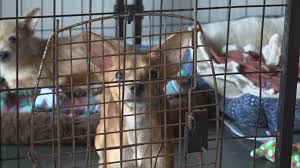
Consider the highly intense medical operations at bustling rescue facilities like Wenny’s animal shelter in Rawang, managing heavily traumatized, newly spayed strays. These highly defensive dogs frequently arrive directly from the surgical suite completely shut down, entirely refusing to process hard shelter kibble. The dedicated rescue volunteers strictly utilize highly concentrated, slightly warm bone broth to successfully provide massive, easily digestible calories until the dog’s central nervous system fully stabilizes.
Advanced Insight 3: Micro-Dosing the Caloric Load
Handlers frequently focus entirely on the physical ingredients inside the dog food bowl, completely ignoring the massive biological importance of exact daily feeding frequencies. Providing a recovering dog with two massive, heavy meals a day is incredibly dangerous for a highly inflamed, severely exhausted digestive organ. A massive volume of physical food violently hits the stomach all at once, forcefully demanding a massive, immediate biological surge of gastric acid.
Elite behaviorists and clinical veterinarians strictly mandate an aggressive transition entirely to a “Micro-Meal Protocol” during the highly critical post-operative recovery window. The dog’s completely calculated daily caloric intake must be mathematically divided into exactly four to six tiny, highly manageable physical portions. Spacing these tiny, highly digestible meals evenly throughout the entire day brilliantly prevents the fragile stomach from ever experiencing a severe biological stress spike.
This highly clinical, strictly managed feeding structure safely provides a slow, perfectly steady drip of critical cellular energy without ever completely overwhelming the fragile digestive tract. It entirely stops the massive, highly dangerous gastric acid buildup that frequently causes severe morning bile vomiting and heavy, highly concerning physical lethargy.
🚨 Vet Fact: Heavy courses of post-operative antibiotics completely eradicate the highly beneficial, friendly bacteria naturally living inside the canine gut microbiome. Handlers must heavily fortify the recovery diet with a premium, clinically proven canine probiotic powder to successfully rebuild this critical biological defense system and prevent severe diarrhea.
Transitioning Back to Standard Nutrition
Once the surgical incisions actively begin knitting together and the dog’s natural, highly chaotic energy slowly returns, the recovery diet must gradually end. Keeping a highly active dog completely on a heavily restricted diet of boiled chicken and white rice permanently starves them of highly critical calcium and trace minerals. The transition back to their highly premium, commercially balanced kibble absolutely must be flawlessly executed to prevent a massive gastrointestinal relapse.
Handlers absolutely must execute an incredibly slow, highly mathematical transition schedule over exactly five to seven full days. Begin by mixing exactly twenty-five percent of the standard kibble directly into the soft recovery food, actively monitoring the exact consistency of the dog’s morning stool. If the physical stool remains completely firm and the dog entirely lacks severe abdominal cramping, confidently proceed to a fifty percent dietary replacement the following day.
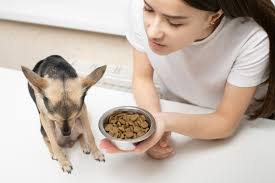
Successfully fueling a recovering canine is the absolute ultimate act of profound, deeply dedicated human empathy and heavy pack leadership. By completely respecting the severe biological limitations of the post-surgery gut and flawlessly deploying hyper-digestible nutrition, handlers successfully secure their beloved dog’s absolute internal healing.
What To Do Next
- Curate the Recovery Pantry: Drive directly to the local grocery store this exact afternoon and purchase completely skinless chicken breasts, pure canned pumpkin puree, and plain sweet potatoes. Actively boil and carefully shred the lean poultry tonight, successfully storing it directly in airtight glass containers to completely ensure immediate, highly accessible meals the second the dog returns from the clinic.
- Execute the Thermal Test: When preparing the dog’s absolute first post-operative meal, carefully measure out exactly one-quarter of their standard portion size into a highly safe ceramic bowl. Microwave this tiny, microscopic portion for exactly ten seconds, actively stirring the meat to safely eliminate thermal hot spots, flawlessly triggering their chemically suppressed olfactory senses.
Disclaimer: The content on Snoutbit.com is for informational and educational purposes only and is not intended to replace professional veterinary advice, diagnosis, or treatment. Always consult with your veterinarian before making significant changes to your dog’s diet, exercise routine, or health regimen.