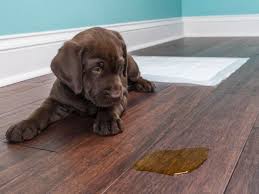
Walking into the living room and discovering a massive, highly pungent puddle of dog urine directly on expensive hardwood floors induces immediate panic. The intense anxiety skyrockets when realizing that canine urine is incredibly acidic, acting exactly like a highly corrosive chemical stripping agent on the delicate wood finish. Frantically scrubbing the area with standard grocery store floor cleaner completely fails, leaving behind a terrifying dark stain and a lingering, highly offensive odor that violently resurfaces every single time the humidity rises.
The definitive solution requires immediately shifting from basic surface cleaning to highly targeted, microscopic biochemical warfare. Successfully rescuing the expensive flooring demands understanding exactly how uric acid physically bonds to natural wood fibers. By deploying clinical enzymatic solutions and advanced poultice techniques, handlers can safely extract the odor completely at the cellular root.
Hardwood Restoration: Overview Mind Map
- The Uric Acid Trap: Understanding exactly why standard household soaps completely fail to remove the invisible, highly foul-smelling salt crystals.
- The Wood Grain Vulnerability: How the highly acidic nature of canine waste violently burns through expensive polyurethane sealants.
- The Peroxide Poultice: An advanced, highly aggressive chemical hack designed to forcefully draw ancient, black urine stains out of the raw wood.
- The Olfactory Magnet: Why utilizing standard bleach or ammonia-based cleaners practically guarantees the dog will actively pee in the exact same spot tomorrow.
🚨 Vet Fact: Canine urine is naturally highly concentrated and heavily packed with massive amounts of nitrogen and urea. When this highly acidic liquid is left sitting directly on natural wood for longer than exactly four hours, it physically burns the cellulose fibers, permanently altering the actual molecular structure of the flooring.
Advanced Insight 1: The Uric Acid Salt Trap
Generic household cleaning blogs constantly recommend utilizing cheap white vinegar and basic baking soda to scrub away pet accidents. Elite floor restoration experts understand that this basic chemical combination completely fails to address the absolute most destructive component of canine urine. When the liquid waste finally dries, it leaves behind highly concentrated, completely invisible uric acid salts deeply embedded inside the microscopic wood grain.
Standard soap and hot water simply wash away the sticky urea but leave these highly stubborn acid salts completely untouched. When the ambient humidity in the house rises during a heavy summer rainstorm, these dormant salts instantly reactivate, violently releasing that highly offensive, characteristic ammonia smell. To successfully eliminate the odor permanently, handlers must strictly utilize a heavy-duty, clinical-grade enzymatic cleaner specifically engineered for severe pet stains.
Enzymatic cleaners contain massive amounts of living, highly beneficial bacteria that actively produce targeted enzymes. These brilliant biological tools physically consume the microscopic uric acid salts, entirely digesting the odor-causing bacteria until absolutely nothing remains. This biological consumption is the absolute only proven method to permanently shatter the chemical bond between the foul urine and the expensive hardwood fibers.
Take the incredibly stressful reality of a seven-month-old mixed breed named Anggu who recently returned home completely groggy from a routine veterinary surgery. The highly disoriented young dog accidentally released a massive puddle directly next to a row of beautifully crafted, custom-built wooden book cabinets. The handlers immediately panicked, knowing the highly acidic liquid could easily warp the baseboards and permanently destroy the expensive, randomized “Tetris-style” shelving design they had meticulously built.
Instead of violently scrubbing the delicate wood with harsh chemical bleach, the handlers brilliantly absorbed the excess liquid using completely dry microfiber towels. They instantly flooded the massive puddle with a premium bio-enzymatic spray, completely allowing the living bacteria to aggressively digest the uric acid. By trusting the actual biological science, the highly prized custom furniture was flawlessly saved entirely without a single dark watermark or lingering odor.
🐾 Snoutbit Pro-Tip: Never aggressively press a heavy steam mop directly onto a fresh or dried dog urine stain on natural hardwood. The extreme, pressurized thermal heat instantly cooks the biological proteins directly into the raw wood fibers, permanently binding the foul odor to the floorboards forever.
Advanced Insight 2: The Hydrogen Peroxide Poultice Protocol
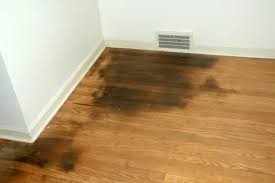
Finding a highly hidden, incredibly old accident that has already violently turned the beautiful hardwood completely pitch black requires an advanced extraction strategy. The dark black stain indicates the highly acidic urine has completely burned through the protective polyurethane finish and deeply saturated the raw wood underneath. Simply spraying a basic enzymatic cleaner directly on top of this severe chemical burn will completely fail to remove the dark visual blemish.
To safely draw the ancient, highly stubborn stain entirely out of the deep grain, handlers must aggressively deploy a clinical hydrogen peroxide poultice. Strictly utilize exactly three percent hydrogen peroxide and heavily mix it with standard baking soda until it forms a thick, highly spreadable paste. Generously apply this thick paste directly over the dark black stain, completely covering the area with a heavy layer of clear plastic wrap.
Tape the edges of the plastic completely down to flawlessly seal the moisture inside and forcefully trap the chemical reaction against the wood. Leave this advanced poultice completely undisturbed for exactly twenty-four hours to actively bleach the dark stain entirely out of the raw cellulose fibers. After gently wiping the dry paste away, the wood will successfully return to a significantly lighter color, though re-applying a fresh protective polyurethane coat is entirely mandatory.
The Immediate Extraction Sequence
When a highly observant handler catches the dog actively having an accident, the exact speed of the physical response heavily dictates the survival of the floor. Execution must be entirely flawless and completely devoid of high-emotion panic.
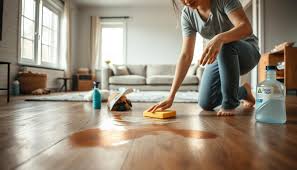
- The Dry Blot: Instantly cover the massive puddle with highly absorbent paper towels or incredibly dense microfiber cloths. Absolutely never aggressively wipe or violently scrub the wet liquid; strictly press straight down with heavy body weight to flawlessly extract the moisture completely upward.
- The Enzymatic Flood: Once the floor is physically dry to the human touch, aggressively saturate the exact same area with a premium bio-enzymatic cleaner. The liquid solution must deeply penetrate the exact microscopic cracks between the floorboards where the highly acidic urine inevitably seeped.
- The Incubation Period: Do not immediately wipe the enzymatic cleaner away. The living bacteria strictly require a minimum of fifteen full minutes of entirely uninterrupted surface contact to successfully physically digest the stubborn uric acid salts.
🐾 Snoutbit Pro-Tip: To successfully locate completely invisible, dried urine spots across a massive living room, purchase a heavy-duty UV blacklight flashlight. Turn off all the overhead lights exactly at midnight and slowly scan the hardwood; the dormant uric acid salts will violently glow a bright, highly terrifying fluorescent yellow.
Advanced Insight 3: The Ammonia Olfactory Magnet
The absolute biggest, highly destructive tactical error handlers routinely make is attacking a fresh urine puddle with heavy-duty bleach or highly toxic ammonia-based floor cleaners. In the highly complex, massively powerful canine olfactory system, chemical ammonia smells absolutely identically to highly concentrated, foreign dog urine. By heavily scrubbing the floor with these highly popular chemical household products, the handler is actively painting a massive, invisible bullseye directly on the floorboards.
The exact next day, the dog will casually walk past the freshly cleaned area and instantly detect the highly pungent ammonia residue. The canine brain violently misinterprets this harsh chemical scent as a highly aggressive territorial marker left behind by a completely unknown, invading animal. To successfully reclaim their physical territory, the dog will confidently lift their leg and aggressively urinate in the exact same spot to actively cover the foreign scent.
Successfully breaking this highly frustrating behavioral loop requires completely banning all ammonia products from the entire household cleaning arsenal. The floor must smell entirely completely neutral, absolutely devoid of any heavy floral perfumes or harsh chemical stripping agents. Strictly utilizing advanced enzymatic cleaners flawlessly guarantees the biological marker is entirely destroyed, physically preventing the dog from ever recognizing the spot as an acceptable indoor bathroom.
Consider the highly intense operations required when managing newly adopted rescue dogs arriving directly from bustling, highly crowded shelter environments. These deeply traumatized animals frequently entirely lack basic house training and possess a massive biological urge to heavily mark their brand-new, completely terrifying surroundings. When a massive rescue Mastiff heavily soiled a beautiful dining room floor, the incredibly patient handler completely ignored the standard bleach bucket.
The handler brilliantly utilized the dry blot extraction method followed instantly by a massive enzymatic flood. By entirely refusing to utilize harsh ammonia cleaners, the handler safely prevented the massive dog from developing a highly stubborn, repetitive indoor marking habit. The pristine hardwood was flawlessly saved, and the rescue dog successfully transitioned into a highly reliable, perfectly house-trained companion.
What To Do Next
- Execute the Chemical Audit: Walk directly to the household cleaning cabinet right now and aggressively read the microscopic ingredient labels on every single floor cleaner. Immediately throw away any heavy-duty product containing bleach or highly concentrated ammonia to successfully prevent accidentally triggering a massive, highly frustrating indoor marking war.
- Procure the Biological Arsenal: Order a massive, gallon-sized jug of premium, highly rated bio-enzymatic pet stain remover this exact afternoon. Properly equipping the kitchen with the absolute correct biochemical hardware entirely guarantees the next sudden puddle is flawlessly destroyed before it ever physically burns the expensive polyurethane finish.
Disclaimer: The content on Snoutbit.com is for informational and educational purposes only and is not intended to replace professional veterinary advice, diagnosis, or treatment. Always consult with your veterinarian before making significant changes to your dog’s diet, exercise routine, or health regimen.