Watching a beloved pet enthusiastically greet their human after a long trip is universally heartwarming, yet leaving them behind often induces massive emotional guilt. Pet parents frequently suffer from intense separation anxiety, constantly worrying if their dog feels permanently abandoned during a simple weekend getaway. The definitive solution is understanding canine cognitive biology to explicitly realize that a dog’s loyalty is an unbreakable biological bond entirely unaffected by human calendars.
While millions of fans recently searched for footage of Koch returning from the moon, the Artemis II mission is still on the horizon. The famous viral video actually captures her triumphant return from a record-breaking 328-day stay on the International Space Station. When Koch walked through the front door after this historic space flight, her rescue dog LBD reacted with pure, unadulterated joy.
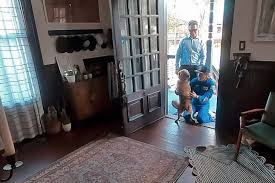
This beautiful moment proves that dogs entirely lack the human concept of elapsed time. A trip around the Earth or a future trip around the moon feels emotionally identical to a standard ten-hour workday for a canine. The intense biological reward system in the canine brain simply activates the exact moment the familiar human scent successfully enters the room.
The Historic Canine Reunion: Overview Mind Map
- The Mission Context: A record-breaking orbital mission culminating in a highly publicized, deeply emotional Earthly reunion.
- Olfactory Processing: How dogs instantly identify their handlers despite highly unusual scent profiles and heavy flight suits.
- The Displacement Grab: Understanding frantic circular zoomies and toy-grabbing as highly advanced emotional regulation tactics.
- Emotional Mirroring: The profound psychological loop where canine enthusiasm actively matches the human’s sudden drop in physical tension.
🚨 Vet Fact: Dogs possess up to three hundred million olfactory receptors in their noses, compared to a mere six million in human beings. This staggering biological advantage allows canines to instantly identify familiar humans purely by a unique pheromone signature, completely bypassing the need for visual confirmation.
Advanced Insight 1: Scent Memory Over Visuals
Many pet parents mistakenly believe their dogs recognize them primarily through physical appearance and facial features. Elite animal behaviorists know this is completely false; dogs are highly macrosmatic, meaning their entire world is heavily constructed through complex scent profiles. When a human returns from a massive journey, their physical clothing is frequently covered in completely alien, unfamiliar environmental odors.
Despite Koch returning in a heavily utilized blue flight suit covered in highly sterile spacecraft scents, LBD showed absolutely zero hesitation. The dog’s highly advanced olfactory bulb flawlessly filtered out the strange environmental odors to instantly detect the specific, familiar biological pheromones underneath. This incredible biological feat demonstrates the absolute sheer power of canine scent memory over human visual cues.
Take the highly relatable case of a seven-month-old mixed breed named Anggu who previously displayed severe stranger danger. When the handler walked into the house wearing a heavy, unfamiliar winter parka and a full face mask, Anggu initially issued a low warning growl. The exact second the handler tossed a heavily worn, unwashed winter glove onto the floor, the olfactory confirmation instantly shifted the young dog’s brain from defensive panic to massive joy.
🐾 Snoutbit Pro-Tip: Never attempt to aggressively mask natural body odors with heavy synthetic perfumes or strong colognes right before reuniting with a highly anxious dog. Allowing the dog to physically smell natural, familiar human scent immediately lowers their baseline cortisol levels and rapidly accelerates the emotional calming process.
Advanced Insight 2: The Displacement Behavior Hack
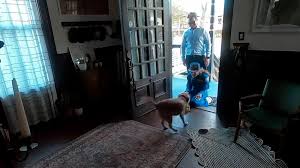
During the highly publicized reunion, LBD instantly scrambled to vigorously paw the door and spin in frantic circles. Generic pet blogs completely overlook these fascinating biological mechanisms, simply calling the energetic zoomies “cute” without understanding the underlying science. Elite behaviorists specifically identify these frantic actions, along with aggressively grabbing a plush toy, as highly advanced displacement behaviors utilized to actively manage severe emotional over-arousal.
When a dog experiences a massive, overwhelming flood of joyful adrenaline, their central nervous system essentially short-circuits. The physical act of biting down heavily on a soft toy or sprinting in tight circles brilliantly acts as a biological grounding mechanism. It safely redirects the intense, frantic energy away from dangerous behaviors like violent jumping or accidental arousal biting.
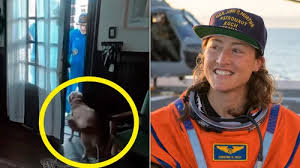
Encouraging this specific toy-grabbing behavior is highly beneficial for dogs suffering from severe greeting excitement. Handlers should always keep a designated, highly durable plush toy stationed perfectly near the front door. By actively tossing the toy the exact second the door opens, the dog receives a safe, physical outlet for their massive dopamine spike.
🚨 Vet Fact: Severe separation anxiety is legally classified as a genuine distress condition, heavily mimicking human panic attacks. If a dog violently destroys property or frantically vocalizes while home alone, these actions represent genuine biological terror rather than spiteful, stubborn misbehavior.
Advanced Insight 3: The Emotional Support Loop
In interviews following the viral video, Koch lovingly noted that LBD taught her everything about being an emotional support animal. This perfectly highlights a highly advanced psychological phenomenon known entirely as the human-canine emotional loop. Dogs are absolute masters of reading subtle human micro-expressions and heavily mirroring internal human emotional states.
When a human returns home feeling completely exhausted but deeply happy, the dog instantly picks up on the massive drop in physical tension. The dog responds with joyful enthusiasm, which in turn causes the human brain to release a massive rush of oxytocin. This powerful hormone heavily lowers human blood pressure and entirely cements the profound, interspecies pack bond.
Consider the highly intense environment at bustling rescue facilities like Wenny’s shelter, where dedicated volunteers actively manage highly traumatized strays. The human volunteers deliberately maintain incredibly calm, deeply relaxed body language when approaching a highly anxious kennel. The rescue dogs actively mirror this quiet energy, allowing their toxic cortisol levels to safely plummet over time.
🐾 Snoutbit Pro-Tip: To successfully build immense confidence in a highly anxious dog, consistently practice highly structured “fake departures” throughout the week. Actively grab a heavy coat and jangle the car keys, but simply sit right back down on the couch to safely desensitize the terrifying trigger.
Reframing the Guilt of Leaving
Dedicated pet parents frequently experience debilitating emotional guilt whenever boarding a dog for a vacation or a long business trip. This heavy guilt frequently causes handlers to engage in highly emotional, incredibly dramatic goodbye sequences. Hugging the dog tightly and crying before leaving the house heavily transfers human anxiety directly into the dog’s central nervous system.
The dog completely misinterprets this intense emotional display as a highly terrifying warning that something completely awful is about to happen. Handlers must firmly establish completely neutral, entirely boring departure routines to keep the dog feeling absolutely safe. Simply walking out the door without a single word is the absolute kindest, most biologically appropriate way to exit a home.
Focusing on the highly joyful reunion is a much healthier mental framework for both species. Preparing a highly engaging puzzle toy filled with premium food right before departing gives the dog a massive positive association with the exit. The dog quickly learns that human isolation strictly equals a massive biological payout, completely erasing the stress of the departure.
What To Do Next
- Execute the Toy Redirection Strategy: Permanently stage a highly durable, incredibly soft plush toy perfectly next to the front door’s interior handle today. Actively toss this specific toy directly toward the dog the exact second you walk inside to safely redirect their massive greeting energy into a focused, physical task.
- Audit the Departure Routine: Completely eliminate all high-emotion, highly dramatic physical goodbyes starting tomorrow morning. Walk out the front door completely silently without making any direct eye contact, heavily ensuring the dog views human departures as completely normal, entirely non-threatening daily events.
Disclaimer: The content on Snoutbit.com is for informational and educational purposes only and is not intended to replace professional veterinary advice, diagnosis, or treatment. Always consult with your veterinarian before making significant changes to your dog’s diet, exercise routine, or health regimen.
Astronaut Christina Koch reunites with dog after 328-day spaceflight This footage beautifully demonstrates the pure, unadulterated joy of a canine reunion, highlighting exactly how dogs rely on familiar scent profiles to instantly recognize their handlers after extended absences.