Watching a gorgeous, highly affectionate canine joyfully consume a steaming pile of yard waste is an incredibly repulsive, stomach-churning nightmare. The absolute panic hits a breaking point when that exact same dog enthusiastically sprints directly toward a child for a highly contaminated, wet kiss. Frantically yelling and aggressively jerking the leash typically completely backfires, actively triggering a massive game of keep-away that forces the dog to swallow the biohazard significantly faster.
The definitive solution requires immediately shifting from highly emotional reactions to strict, clinical dietary management utilizing verified science. Conquering coprophagia relies on heavily introducing specific, NASC-certified digestive compounds that purposefully alter the exact taste and scent of the dog’s waste. When paired with flawless environmental management, these top-tier supplements successfully break the massive dopamine loop driving this highly disgusting biological habit.
Coprophagia Deterrents: Overview Mind Map
- The FDA Misconception: The federal government heavily regulates animal drugs but relies entirely on independent organizations like the NASC to audit dietary supplements.
- The Bittering Agents: Utilizing powerful natural compounds like glutamic acid and parsley leaf to make the resulting waste taste incredibly foul.
- The Enzyme Gap: Undigested, highly processed kibble creating waste that biologically smells identical to a fresh bowl of premium food.
- The Probiotic Shield: Rebuilding a highly compromised gut microbiome to stop desperate canine scavenging at the cellular root.
🚨 Vet Fact: Coprophagia is a completely natural biological scavenging behavior heavily inherited directly from ancient wolf ancestors to keep whelping dens entirely clean. While incredibly revolting to human sensibilities, nearly twenty-four percent of domestic dogs actively engage in the behavior at least once during their lifetime.
The Top 10 Verified Coprophagia Supplements
Navigating the massive wall of calming products and digestive aids at the pet store induces severe decision fatigue. This highly curated list exclusively features products backed by intense veterinary research, clinical trials, or the strict NASC Quality Seal.
1. NaturVet Coprophagia Stool Eating Deterrent
- Active Ingredients: Glutamic acid, Yucca schidigera, parsley leaf, and chamomile.
- Why It Ranks: Proudly bearing the NASC seal, this specific formula is a massive industry standard for breaking the behavioral loop. The glutamic acid aggressively alters the taste of the waste, making it highly bitter, while the parsley brilliantly helps freshen incredibly foul breath.
2. Zesty Paws Chew No Poo Bites
- Active Ingredients: Capsimax (capsicum extract), digestive enzymes, and specific gut flora.
- Why It Ranks: Zesty Paws is a highly transparent, NASC-certified powerhouse known for exceptionally strict quality control. The inclusion of an advanced, highly diluted capsicum pepper extract creates an incredibly unpleasant sensation when the dog attempts to consume the treated waste.
3. Solid Gold Stop Eating Poop Chews
- Active Ingredients: Peppermint, parsley, and natural digestive enzymes.
- Why It Ranks: Solid Gold holds the NASC seal and heavily prioritizes a holistic, completely natural approach to canine gut health. This specific product provides massive amounts of targeted enzymes to ensure the kibble is fully digested, entirely removing the food-like odor from the feces.
4. For-Bid Stool Eating Preventative
- Active Ingredients: Purified vegetable protein fraction and sodium glutamate.
- Why It Ranks: This is a highly exact, veterinarian-recommended powder that boasts a massive track record of clinical success spanning decades. When sprinkled directly onto the food, it passes through the gastrointestinal tract and imparts a highly forbidden, repulsive flavor to the newly formed stool.
5. Nutri-Vet Nasty Habit Coprophagia Chewables
- Active Ingredients: Yucca schidigera, chamomile, and proprietary bittering agents.
- Why It Ranks: Carrying the strict NASC Quality Seal, these highly palatable liver-flavored chews make daily dosing incredibly easy. The unique combination actively helps reduce stool odor while simultaneously heavily calming the dog’s frantic urge to scavenge the lawn.
🐾 Snoutbit Pro-Tip: Coprophagia supplements strictly require a massive head start to successfully metabolize inside the gastrointestinal tract and alter the physical waste. You must feed the supplement daily for exactly two to three consecutive weeks before the chemical changes fully take effect in the yard.
6. CoproBan Soft Chews
- Active Ingredients: MSG (monosodium glutamate) and specialized cellulase enzymes.
- Why It Ranks: CoproBan is a clinical-grade roast beef flavored chew heavily utilized by board-certified veterinarians for highly stubborn cases. It flawlessly targets both the behavioral taste aspect and the underlying biological digestive breakdown simultaneously.
7. PetHonesty Stool Eating Deterrent
- Active Ingredients: Probiotic blend, digestive enzymes, and specific herbal breath fresheners.
- Why It Ranks: Manufactured entirely in the USA within a strictly GMP-certified facility, PetHonesty proudly holds the NASC seal. The completely natural ingredient profile safely takes the edge off highly sensitive stomachs without utilizing harsh, synthetic chemical binders.
8. Bernie’s Perfect Poop
- Active Ingredients: Premium dietary fiber, massive prebiotic loads, and robust enzymes.
- Why It Ranks: While not marketed purely as a deterrent, this highly celebrated NASC-certified formula aggressively fixes the root biological cause of waste eating. By flawlessly optimizing nutrient absorption, the resulting waste completely loses its highly appealing, food-like aromatic profile.
9. Purina Pro Plan Veterinary Supplements FortiFlora
- Active Ingredient: Enterococcus faecium SF68.
- Why It Ranks: This highly advanced probiotic powder utilizes the gut-brain axis to actively stabilize severe gastrointestinal distress. It is heavily researched, widely recommended by elite behaviorists, and drastically reduces the biological urge to scavenge for missing bacteria.
10. Nutramax Proviable Behavioral & Digestive Health
- Active Ingredients: Multi-strain probiotic matrix and targeted prebiotics.
- Why It Ranks: Nutramax sets an incredibly high standard for independent clinical research and strict manufacturing purity. Rebuilding a highly compromised gut microbiome with this specific formula frequently stops desperate canine scavenging entirely at the cellular root.
Advanced Insight 1: The Pancreatic Enzyme Gap
Generic pet advice constantly blames a severe multivitamin deficiency for this highly disgusting habit, sending owners running for expensive, unverified holistic drops. Elite behaviorists understand that chronic coprophagia is frequently triggered by a massive, highly specific gap in the dog’s natural pancreatic enzymes. When a dog consumes heavily extruded, high-carbohydrate kibble, their internal digestive tract frequently fails to break the dense proteins down completely.
The highly unfortunate biological result is canine waste that passes entirely through the digestive system heavily retaining its original food odor. To a highly scent-driven canine, the fresh pile of yard waste biologically smells absolutely identical to a premium bowl of dinner. This heavily explains exactly why dogs frequently completely ignore older, highly degraded waste but aggressively target completely fresh, steaming piles.
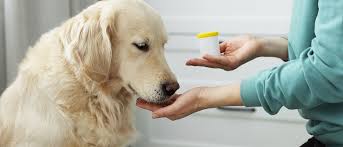
Fixing this massive biological loophole requires directly supplementing the dog’s daily meals with premium, highly robust canine digestive enzymes found in the top-ranked products. These highly specialized additions aggressively assist the pancreas in completely breaking down the daily meal inside the stomach. When the food is entirely digested, the resulting waste instantly becomes significantly less attractive to the scavenging dog.
🚨 Vet Fact: Intestinal parasites strongly mimic the exact same physical symptoms of exocrine pancreatic insufficiency, heavily robbing the dog of critical, life-sustaining daily nutrients. Always submit a completely fresh, highly secure fecal sample to a licensed veterinary clinic to definitively rule out a severe hookworm infestation before attempting advanced behavioral modification.
Advanced Insight 2: The Multi-Dog Household Dilemma
Treating a single dog for coprophagia is a highly straightforward process, but managing a multi-dog household introduces a massive, highly frustrating logistical hurdle. The dog actively consuming the waste is frequently entirely targeting the feces of the other dogs living in the exact same house. Giving the deterrent chew exclusively to the dog eating the poop completely fails to stop the behavior.
To successfully execute a chemical deterrent protocol, handlers absolutely must feed the specific supplement to every single dog residing on the property. The ultimate goal is to biologically alter the exact taste and scent of every single pile of waste hitting the backyard grass. This massive, blanket-dosing strategy guarantees that no matter which pile the scavenging dog investigates, the reward is entirely repulsive.
Take the highly insightful case of a 7-month-old mixed breed named Anggu who rapidly developed a severe obsession with scavenging the backyard. The owners brilliantly placed Anggu and the older resident dog on a strict, NASC-certified glutamic acid chew simultaneously. By physically altering the taste of all available targets, the massive behavioral loop was finally successfully broken within exactly three weeks.
Advanced Insight 3: The Trauma and Shelter Connection
Dogs completely lacking severe underlying medical issues frequently develop coprophagia purely as a devastating trauma response to early environmental confinement. When young puppies are heavily confined to tiny, highly unsanitary spaces, they possess a massive, deeply ingrained biological instinct to keep their sleeping area clean. If completely ignored by human caretakers, these desperate animals will actively consume their own waste simply to sanitize their immediate living quarters.
Consider the highly intense rescue operations frequently coordinated at local organizations like Wenny’s shelter, pulling abandoned dogs from highly neglected hoarding situations. These severely traumatized rescue dogs arrive heavily conditioned to rapidly consume any physical waste the exact second it hits the kennel floor. Rehabilitating this deeply ingrained survival mechanism requires immense human patience, top-tier enzymatic supplements, and absolutely flawless kennel sanitation protocols.
For newly adopted rescue dogs exhibiting this highly traumatic behavior, punishment is completely counterproductive and massively destroys fragile trust. Handlers must quietly, completely without any frantic emotion, remove the waste the absolute second it appears. By heavily ensuring the environment remains entirely spotless while the supplements take effect, the rescue dog slowly realizes they no longer need to perform highly distressing sanitation duties.
🐾 Snoutbit Pro-Tip: Highly specific “Trade-Up” counter-conditioning is absolutely mandatory to pair with your chosen supplement. When the dog successfully spins their head completely away from a fresh pile, instantly deliver a massive, highly excessive jackpot of premium roast beef to entirely out-compete the allure of the yard waste.
What To Do Next
- Execute the Label Audit: Walk directly to the pantry today and rigorously inspect the exact bottle of the dog’s current digestive supplement. Actively search the entire label for the yellow NASC Quality Seal; if the bottle entirely lacks this specific third-party verification, immediately upgrade to one of the certified options listed above.
- Deploy the Leash Mandate: Completely eliminate unsupervised, entirely free-roaming backyard bathroom breaks immediately starting tonight. Secure the dog onto a standard six-foot walking leash every single time they step outside to eliminate, actively removing their physical ability to successfully reach the biohazard while the new supplement builds up in their system.
Disclaimer: The content on Snoutbit.com is for informational and educational purposes only and is not intended to replace professional veterinary advice, diagnosis, or treatment. Always consult with your veterinarian before making significant changes to your dog’s diet, exercise routine, or health regimen.