
Scooping up a fresh, steaming pile of canine waste is already the absolute worst part of daily pet ownership. The experience becomes deeply infuriating when the bag violently rips, leaving handlers with heavily contaminated hands in the middle of a busy public park. Adding massive environmental guilt to this miserable chore by utilizing single-use plastics that outlive humans by five centuries simply feels entirely unacceptable.
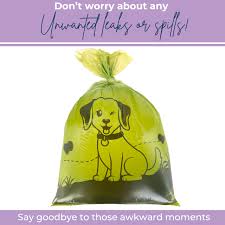
The definitive solution is utilizing heavy-duty, certified compostable waste bags that completely dissolve back into the earth. Upgrading the daily walking gear to genuine plant-based alternatives completely eliminates the dread of thin, tearing plastic bags. It perfectly aligns dedicated canine care with highly responsible, forward-thinking environmental stewardship.
Eco-Friendly Waste Management: Overview Mind Map
- The Biodegradable Lie: Why EPI-additive plastics are incredibly destructive environmental hazards secretly heavily marketed as eco-friendly.
- The Gold Standard: Identifying the critical ASTM D6400 and BPI compostability certifications to guarantee absolute safety.
- Micron Thickness: Selecting heavy-duty bags rated strictly above 18 microns to absolutely prevent accidental finger punctures.
- Landfill Physics: Understanding why even the absolute best eco-bags fail to successfully break down in oxygen-starved municipal trash dumps.
🚨 Vet Fact: Microplastics ingested by local wildlife act exactly like highly absorbent sponges, aggressively soaking up deadly environmental toxins like commercial pesticides and heavy metals. When dogs drink from contaminated streams or chew heavily on plastic-littered sticks, these concentrated toxins transfer directly into the canine digestive tract, severely damaging internal organ function.
Advanced Insight 1: The “EPI Additive” Scam
Generic pet store shelves are absolutely flooded with bright green boxes proudly claiming to be one hundred percent biodegradable. This specific marketing term is a massive, highly deceptive industry trap designed entirely to trick well-meaning consumers. Most of these incredibly cheap bags are simply standard, petroleum-based plastics secretly laced with a chemical compound known as an EPI additive.
This specific chemical additive actively forces the plastic to rapidly shatter when exposed to direct sunlight and intense environmental heat. The bag completely disappears from human sight, leading the exhausted owner to falsely assume it safely dissolved directly back into the soil. In brutal reality, the bag simply fractured into millions of microscopic, highly toxic microplastics that permanently haunt the ecosystem.
These completely invisible microplastics aggressively seep directly into the local water table and heavily contaminate the surrounding soil. True environmental protection requires entirely ditching these highly deceptive “oxo-degradable” plastics immediately. Handlers must actively learn exactly how to read the fine print on the packaging to effectively bypass this massive corporate greenwashing campaign.
Advanced Insight 2: The ASTM D6400 Certification
Safely navigating the highly deceptive pet product market strictly requires hunting for specific, highly regulated governmental certifications. The absolute gold standard for the best eco-friendly dog poop bags in the United States is the ASTM D6400 standard. If a bag prominently features this specific testing standard, it guarantees the material is genuinely constructed from plant-based starches.
These highly advanced bioplastics, frequently derived from raw cornstarch or cassava roots, operate entirely differently than cheap petroleum products. When exposed to the heavy heat, ambient moisture, and massive bacterial loads of a commercial composting facility, the bag completely breaks down. Within exactly ninety days, the highly durable bag and the enclosed waste convert entirely into organic, completely harmless biomass.
Take the highly frustrating reality of a dedicated Golden Retriever owner in Portland who spent three years buying expensive “earth-friendly” green bags. She recently discovered the brand simply utilized standard dyed plastic and felt massively betrayed by the completely false corporate advertising. Once she aggressively switched to an ASTM D6400 certified cornstarch brand, she confidently knew her daily walks actively supported a highly healthy ecosystem.
🐾 Snoutbit Pro-Tip: Plant-based bioplastics naturally possess a significantly shorter shelf life than standard, heavy-duty petroleum products. Never buy genuine compostable bags in massive, year-long bulk supplies, and always store the rolls strictly in a cool, incredibly dark hallway closet to easily prevent the heat from rapidly degrading the fragile cornstarch material.
The Micron Thickness Mandate
Early generations of compostable bags earned a highly terrible reputation for being incredibly thin, heavily brittle, and highly prone to catastrophic failure. Picking up after a massive, heavy-duty breed requires immense structural integrity to entirely prevent a highly unsanitary hand puncture. Handlers absolutely must evaluate the physical thickness of the bag, which is scientifically measured in highly specific units called “microns.”

Standard, incredibly cheap grocery store plastic bags usually measure a highly flimsy ten to twelve microns thick. Elite, heavy-duty compostable dog poop bags must measure an absolute minimum of eighteen microns to safely guarantee a completely leak-proof experience. Premium plant-based brands heavily advertise their exact micron count directly on the box, confidently proving their bags easily handle massive waste loads.
Consider a rescued English Mastiff owner in suburban Denver who initially tried a completely unrated, incredibly cheap compostable bag from a massive online retailer. The incredibly thin material violently burst upon immediate contact with the heavy yard waste, creating a horrific, unsanitary mess directly on the public sidewalk. Upgrading strictly to a twenty-micron thick, certified compostable brand entirely solved the tearing issue while safely maintaining their strict household environmental standards.
Advanced Insight 3: The Landfill Mummification Effect
Purchasing the absolute highest quality compostable bag represents only fifty percent of the total environmental equation. A massive, highly overlooked reality is exactly what happens when that premium bag is tossed directly into a standard municipal trash can. Modern city landfills are highly engineered, incredibly dense, oxygen-deprived tombs specifically designed to entirely prevent organic decomposition.
When a premium cornstarch bag is heavily buried under tons of massive trash, it enters a dark, anaerobic environment completely lacking necessary oxygen. In these highly specific conditions, the organic bag acts exactly like a petroleum plastic, safely “mummifying” the enclosed waste for decades without ever breaking down. To truly unlock the massive ecological benefits of compostable bags, handlers must dramatically alter their final disposal methods.
Environmentally conscious handlers completely bypass massive municipal landfills by investing directly in heavy-duty, in-ground canine waste digesters. Alternatively, many highly progressive US cities now offer specialized commercial composting facilities that explicitly accept canine waste. Handlers must aggressively research their specific local waste management ordinances to heavily ensure the premium bags actually reach the required hot composting environment.
🚨 Vet Fact: Canine waste is heavily loaded with incredibly aggressive zoonotic pathogens, including massive amounts of hookworms, roundworms, and dangerous E. coli bacteria. Never place bagged dog waste, regardless of the bag’s official compostable certification, directly into a standard backyard vegetable garden compost bin, as standard home bins absolutely never reach the extreme thermal temperatures required to completely kill these lethal parasites.
Flushable Water-Soluble Alternatives
For modern urban dwellers completely lacking backyard space for an in-ground digester, flushable dog poop bags present a highly intriguing, advanced alternative. These incredibly specialized bags are expertly manufactured from polyvinyl alcohol (PVA), a highly unique, completely safe synthetic polymer. PVA is specifically engineered to rapidly and completely dissolve the exact second it heavily contacts massive volumes of swirling water.
The handler simply scoops the fresh waste, heavily carries the sealed bag directly back to their apartment, and drops the entire package straight into the toilet bowl. The protective bag rapidly melts away within minutes, easily allowing the raw biological waste to travel safely into the municipal sewage treatment system. Actively treating canine waste exactly like human waste is frequently recognized as the absolute safest environmental disposal method currently available.
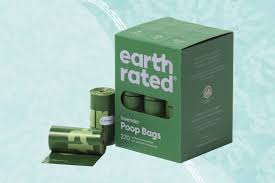
However, handlers absolutely must exercise extreme physical caution before blindly adopting this highly specific indoor disposal strategy. Older suburban homes featuring incredibly fragile, highly compromised cast-iron plumbing systems can easily clog if the PVA material fails to dissolve rapidly enough. Always conduct a highly thorough test flush entirely without raw waste to rigorously verify the pipes safely handle the dissolved polymer structure.
🐾 Snoutbit Pro-Tip: Massive pet conglomerates frequently soak their cheap plastic bags in incredibly strong, highly artificial lavender perfumes to mask terrible odors. Always heavily prioritize completely unscented, extra-thick compostable bags to absolutely prevent triggering severe, highly dangerous respiratory allergies in dogs with sensitive sinuses.
What To Do Next
- Execute the Certification Audit: Walk directly over to the leash hook today and rigorously inspect the cardboard box of the current waste bags. If the packaging heavily boasts the word “biodegradable” but entirely lacks the official ASTM D6400 certification logo, immediately discard the highly deceptive box and upgrade to a strictly verified plant-based alternative.
- Verify Landfill Pathways: Spend exactly ten minutes today actively researching the specific local municipal waste management website online. Aggressively verify if the specific city offers a dedicated commercial composting program that explicitly accepts bagged canine waste, heavily ensuring the highly expensive eco-friendly bags actually reach the correct biological destination.
Disclaimer: The content on Snoutbit.com is for informational and educational purposes only and is not intended to replace professional veterinary advice, diagnosis, or treatment. Always consult with your veterinarian before making significant changes to your dog’s diet, exercise routine, or health regimen.