
An unexpectedly open gate, a highly startled reaction to a backfiring car, or a sudden leash hardware failure turns a completely normal afternoon into an absolute nightmare. A deeply panicked dog bolting frantically into busy suburban traffic is the ultimate, paralyzing pet parenting terror. The chaotic hours immediately following a sudden escape are entirely filled with fading paper flyers, frantic neighborhood shouting, and a rapidly sinking sense of absolute dread.
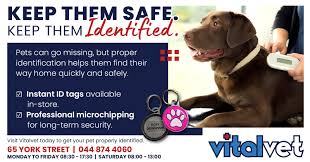
The sheer terror rapidly multiplies when the runaway dog is wearing a completely blank, unidentifiable collar. Assuming a local municipal shelter will simply scan the internal microchip ignores the agonizing reality that city pounds are frequently closed on weekends, and terrified dogs rarely allow strangers to force them into unfamiliar vehicles. The definitive solution is aggressively treating a physical dog collar ID tag as an essential, high-stakes biological safety net.
Upgrading to advanced, strategic collar tags ensures any friendly neighbor can instantly facilitate a safe reunion directly on the neighborhood sidewalk.
Collar Tag Science: Overview Mind Map
- Visual Deterrence: The heavy physical presence of a metal tag instantly communicates the dog is highly valued and actively being tracked.
- System Bypass: Direct cell phone numbers completely prevent the dog from ever entering a highly stressful, disease-prone municipal kennel.
- Acoustic Management: Utilizing slide-on, flat silicone tags to actively prevent the chronic canine stress caused by constant metal jingling.
- The Microchip Gap: Bridging the massive technological gap between an invisible, internal RFID chip and an immediate, readable phone number.
🐾 Snoutbit Pro-Tip: Never rely on a completely permanent marker written directly onto a nylon fabric collar. Skin oils, heavy spring rain, and natural friction will completely dissolve the ink within a single month, leaving the dog entirely unidentifiable during a severe, highly chaotic emergency.
Advanced Insight 1: The “Name Withholding” Strategy
Generic pet store advice always insists on engraving the dog’s highly adorable name directly onto the front of the metal tag. Elite behaviorists strongly advise entirely against this highly dangerous, incredibly common identification practice. Publicly displaying a dog’s actual name readily gives opportunistic thieves and nefarious actors a massive psychological advantage.
When a complete stranger approaches and calls a lost dog by their exact, familiar name, the highly stressed animal immediately drops their natural biological suspicion. This forced, false bonding allows dangerous individuals to easily secure the terrified dog for illegal resale or highly abusive situations. The physical tag should exclusively feature critical, highly actionable recovery data rather than cute, deeply personal details.
Instead of a name, heavily engrave the massive, bolded word “REWARD” or “NEEDS MEDS” directly across the top line. Replacing the name with a terrifying medical threat or a massive financial incentive instantly changes the finder’s entire psychology. It transforms a highly tempting “free pet” into a massive, highly expensive liability, virtually guaranteeing the dog is immediately returned to the rightful owner.
Consider the terrifying reality of a highly valuable French Bulldog wandering completely alone through a busy park in Los Angeles. A passerby initially considered keeping the expensive, highly sought-after breed, completely unaware the dog had escaped a nearby yard. However, the finder instantly dialed the emergency phone number after reading the deeply engraved “NEEDS DAILY HEART MEDICATION” warning, completely abandoning any thoughts of keeping the animal.
🚨 Vet Fact: A standard pet microchip absolutely does not contain active GPS technology, internal batteries, or satellite tracking capabilities. It is strictly a highly dormant, passive RFID barcode requiring a specialized electromagnetic scanner, making a highly visible physical tag the absolute only way for a regular citizen to identify a lost pet on the street.
Advanced Insight 2: The Acoustic Resonance Problem
Hanging multiple, brightly colored metal tags from a standard steel D-ring creates a constant, high-pitched jingling sound with every single canine movement. Humans easily tune this ambient noise out, completely forgetting that the highly advanced canine acoustic range is infinitely more sensitive. For dogs suffering from chronic anxiety, this relentless metal clanking acts as a massive, entirely invisible biological stressor.
The constant acoustic feedback directly next to the highly sensitive canine eardrum continuously elevates baseline cortisol levels throughout the day. This invisible, highly ignored stress heavily contributes to unexplained pacing, severe noise phobias, and highly restless sleeping patterns. Fixing this massive auditory issue requires entirely rethinking exactly how ID tags physically attach to the daily hardware.
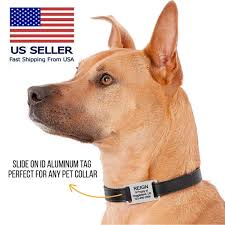
Elite handlers strictly utilize “slide-on” silicone ID tags or heavy-duty metal plates permanently riveted entirely flat against the collar fabric. These advanced, highly streamlined designs completely silence the collar while keeping the emergency data highly visible and easily accessible. Eliminating the constant metal jingle drastically lowers the dog’s daily background anxiety, providing an incredibly peaceful auditory environment for the animal.
🐾 Snoutbit Pro-Tip: Always include an alternate, highly trusted out-of-state emergency contact number directly on the second line of the physical ID tag. If the dog violently escapes during a massive localized event like a hurricane or wildfire, local cell phone towers frequently fail entirely, making a distant backup contact an absolute, undeniable lifesaver.
Advanced Insight 3: The Material Friction Reality
Pet store checkout aisles are completely filled with incredibly cute, brightly colored soft aluminum and cheap plastic identification tags. These highly inexpensive, incredibly fragile tags quickly succumb to heavy physical friction, making the vital phone numbers completely unreadable within a few short months. Relying entirely on soft metals during a high-stakes, life-or-death emergency is a devastating, entirely preventable mistake.
Take the highly stressful reality of a hyperactive Beagle that aggressively dug completely underneath a heavy wooden backyard fence in rural Texas. A local farmer easily caught the highly friendly dog wandering near a dangerous highway, but the cheap aluminum ID tag had rubbed entirely smooth against the dog’s metal rabies tag. The farmer had absolutely no way to contact the frantic owner, forcing the terrified Beagle to spend a highly stressful, completely unnecessary weekend in a municipal pound.
Upgrading physical hardware is a highly satisfying, incredibly necessary safety protocol that completely bulletproofs the dog’s identity. Handlers must completely ditch soft aluminum and invest exclusively in deep-engraved, heavy-duty stainless steel or thick brass. This incredibly hard, highly durable metal permanently resists daily friction, entirely ensuring the phone numbers remain absolutely crystal clear for the entire life of the dog.
🚨 Vet Fact: Stray dogs completely lacking any form of physical identification are legally subjected to significantly shorter mandatory “stray hold” periods at municipal animal shelters. Wearing a highly clear, perfectly readable ID tag legally forces the government facility to hold the dog much longer and actively attempt contact before placing the animal up for public adoption or euthanasia.
The Digital QR Code Fallback
Modern canine safety strictly requires adding massive technological redundancy directly alongside traditional deep-engraved metal tags. Elite behaviorists heavily recommend adding a modern QR-code silicone tag directly to the daily collar setup. This massive digital upgrade completely bridges the gap between static, unchangeable physical data and highly dynamic modern smartphone capabilities.
When a friendly, highly concerned neighbor finds a lost dog and simply scans the QR code with their standard phone camera, the tag instantly accesses a secure digital cloud profile. This highly advanced digital profile can hold infinite emergency contacts, highly specific behavioral warnings, and highly detailed veterinary dietary information. Crucially, successfully scanning the tag frequently pings the owner’s smartphone with an exact, highly precise GPS location of the physical scan.
This highly advanced, multi-layered hardware combination completely guarantees an unbreakable, fail-proof safety net. If the internal microchip goes entirely unscanned, the QR code provides massive, highly actionable digital data. If the finder completely lacks a modern smartphone, the deep-engraved stainless steel guarantees an immediate, highly successful phone call.
What To Do Next
- Execute the “Friction Test”: Call the dog over right now and rigorously inspect their current metal collar tags under a highly bright flashlight. If the primary emergency phone number is slightly faded, heavily scratched, or requires any intense squinting to successfully read, immediately order a deep-engraved stainless steel replacement to guarantee instant readability.
- Audit the Engraved Data: Rigorously review exactly what specific information is currently stamped directly onto the dog’s neck. Completely remove the dog’s actual name and instantly replace it with the bolded word “REWARD” or a highly critical medical warning to aggressively discourage opportunistic pet theft.
Disclaimer: The content on Snoutbit.com is for informational and educational purposes only and is not intended to replace professional veterinary advice, diagnosis, or treatment. Always consult with your veterinarian before making significant changes to your dog’s diet, exercise routine, or health regimen.