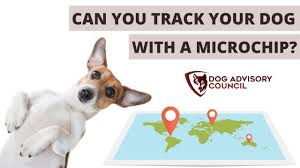
Watching the front door blow open and realizing a beloved dog has vanished into the neighborhood is a deeply terrifying, paralyzing experience. The sheer panic rapidly skyrockets when owners falsely assume they can simply open an app on their smartphone to digitally track the dog’s exact movements. Realizing that the implanted microchip completely lacks GPS capabilities leaves terrified pet parents feeling entirely helpless as precious, critical hours slowly tick by.
The definitive solution requires immediately shifting from pure panic into highly methodical, aggressive digital execution. Finding the dog requires weaponizing the microchip’s static data by manually pushing the unique identification number out to the local community. Handlers must instantly lock down the digital registry, execute a massive “reverse rescue” clinic blast, and pair the digital data with highly visible physical search tactics.
Lost Dog Recovery: Overview Mind Map
- The Digital Flag: Activating the high-alert status inside the microchip manufacturer’s online user portal.
- The AAHA Verification: Utilizing the universal search tool to guarantee the microchip is not currently sitting completely blank.
- The Reverse Clinic Blast: Sending the specific 15-digit code directly to private veterinary offices, completely bypassing municipal shelters.
- Physical Scent Stations: Deploying heavily soiled clothing to biologically anchor the panicked dog within a safe neighborhood radius.
🚨 Vet Fact: A pet microchip is a tiny radio-frequency identification (RFID) transponder completely devoid of internal batteries. It only transmits data when physically activated by the electromagnetic field of a specialized veterinary scanner, making active, real-time satellite tracking entirely impossible.
Advanced Insight 1: The Immediate Digital “Lost” Flag
Most owners simply sit by the telephone, completely assuming the microchip company will magically call the exact second the dog is picked up. Elite recovery teams understand that passive waiting is the absolute enemy of a successful, fast-paced canine reunion. Handlers must immediately grab a laptop, locate the dog’s microchip paperwork, and log directly into the manufacturer’s online registry portal.
Once completely logged in, immediately locate the emergency dashboard and toggle the dog’s official status from “Home” to “Lost.” This single digital action instantly triggers a massive, highly automated cascade of protective alerts within the registry’s internal database. For many premium registries, activating this highly critical flag automatically blasts a digital Amber Alert to all registered veterinary clinics and rescue organizations within a fifty-mile radius.
Furthermore, activating the lost status locks the digital file, completely preventing anyone else from attempting to illegally re-register the stolen animal. If an opportunistic thief attempts to change the ownership data on a flagged account, the microchip company instantly denies the request and notifies the original owner. This specific digital lockdown is an incredibly powerful, entirely necessary shield against permanent pet theft.
The Reality of Database Negligence
Consider the terrifying reality of a highly energetic Siberian Husky that successfully vaulted a six-foot privacy fence in suburban Denver. The owner assumed the local municipal shelter had properly registered the microchip during the adoption process three years prior. When the panicked owner finally checked the digital registry, they realized the microchip was completely blank and pointing to absolutely no human identity whatsoever.

The owner wasted three critical hours frantically creating a brand-new digital profile while the dog was actively wandering through highly dangerous rush-hour traffic. Had the owner verified the registration status the week prior, the local animal control officer could have safely returned the dog within twenty minutes of capture. Always verify database accuracy long before an unexpected escape ever occurs to prevent this devastating, completely unnecessary delay.
🐾 Snoutbit Pro-Tip: Never completely trust a single, heavily overwhelmed digital registry during an active, high-stress emergency. Take the dog’s unique 15-digit microchip number and instantly dual-register the animal on a completely free, national alternative database like the Michelson Found Animals Registry for massive technological redundancy.
Advanced Insight 2: The “Reverse Rescue” Clinic Blast
Generic lost pet advice constantly tells handlers to physically visit the local municipal animal shelter every single day. While checking the local pound is absolutely necessary, relying strictly on highly underfunded government facilities is a massive tactical error. When friendly, well-meaning neighbors find a lost dog roaming the sidewalk, they rarely drive to a noisy, depressing city shelter.
Instead, the vast majority of Good Samaritans simply load the dog into their car and drive straight to their own private, highly trusted family veterinarian. Handlers must aggressively execute a “Reverse Rescue Blast” to successfully intercept the dog at these specific private medical facilities. Create a highly legible, massive font flyer featuring a crystal-clear photograph of the dog and prominently display the exact microchip number.
Email and fax this specific digital flyer to absolutely every single private veterinary clinic, emergency animal hospital, and grooming salon within a twenty-mile radius. When the Good Samaritan walks into the clinic lobby with the found dog, the front desk staff will immediately recognize the animal from the morning fax. This brilliant, highly proactive strategy successfully recovers dogs days before they ever enter the municipal shelter system.
Advanced Insight 3: Mastering the AAHA Universal Tool
During the absolute sheer chaos of a sudden escape, many owners completely forget which specific company actually manufactured their dog’s microchip. Staring at a random 9, 10, or 15-digit number without knowing the associated brand makes logging into a digital registry completely impossible. The absolute fastest way to solve this highly frustrating roadblock is utilizing the AAHA (American Animal Hospital Association) Universal Pet Microchip Lookup tool.
Simply type the dog’s unique digits directly into the AAHA search bar, and the system instantly reveals exactly which private company currently holds the dog’s file. The AAHA tool is strictly a digital search engine, completely lacking the ability to manually update phone numbers or activate emergency flags. It acts exactly like an incredibly efficient roadmap, perfectly guiding the handler to the correct corporate portal.
If the AAHA tool returns a terrifying “Unregistered” status, the handler must immediately take the digits to a major registry like HomeAgain or AKC Reunite to manually build a profile. Knowing exactly how to heavily leverage this universal search engine drastically cuts down the time spent frantically calling random microchip companies on hold.
🚨 Vet Fact: There are three distinct microchip frequencies currently heavily utilized in the United States: 125 kHz, 128 kHz, and the international standard 134.2 kHz. If an older, highly outdated municipal shelter uses an incredibly cheap, non-universal scanner, they might completely miss the implant, highlighting exactly why microchips must always be paired with physical collar tags.
The Power of High-Velocity Intersection Tagging
While aggressively managing the digital microchip data is absolutely crucial, it must be paired with massive, high-visibility physical search tactics. Hanging standard, letter-sized white pieces of printer paper on wooden telephone poles is a completely useless strategy in the modern era. Drivers passing by at forty miles per hour physically cannot read small font, completely rendering the traditional lost pet flyer invisible.
Elite search teams absolutely demand the immediate deployment of massive, high-velocity neon intersection posters. Purchase giant, brightly colored neon poster boards, specifically choosing blinding pink or electric yellow to forcefully grab human attention. The text must be incredibly minimal: the massive words “LOST DOG,” one high-resolution color photograph, and a single, highly legible phone number.
These massive visual beacons must be securely attached exclusively at major four-way stops and busy neighborhood intersections. When vehicles are physically forced to stop at a red light, the driver is held completely captive, guaranteeing they easily read the critical emergency information.
The Biological Scent Station Protocol
When a deeply panicked dog escapes into an unfamiliar area, the sheer sensory overload frequently forces them directly into highly primitive survival mode. In this severely stressed biological state, the dog completely ignores verbal commands and actively hides from human search parties. Handlers must pivot strategies and aggressively establish strategic “Scent Stations” near the exact point the dog was last seen.
The canine olfactory system is completely unparalleled; a highly motivated dog can successfully detect familiar human pheromones from incredible distances. Placing a heavily worn, deeply unwashed piece of the owner’s clothing alongside the dog’s favorite bedding creates a massive, highly effective invisible beacon. The scent station acts exactly like a biological lighthouse, naturally drawing the terrified animal back to a highly specific, secure location.

Take the highly stressful case of a rescued Beagle in Austin that bolted into a massive, heavily wooded state park. Physical tracking entirely failed, but the owner brilliantly left a sweaty gym shirt and a bowl of fresh water at the exact trailhead. By the very next morning, the exhausted Beagle was found sleeping completely curled up on top of the dirty shirt, proving the massive effectiveness of biological anchoring.
🐾 Snoutbit Pro-Tip: Never leave edible dog food or high-value treats at an established neighborhood scent station. Leaving physical food outdoors instantly attracts highly aggressive nocturnal predators like coyotes or territorial feral cats, which will completely terrify the lost dog and guarantee they never safely approach the area.
What To Do Next
- Execute the Universal Registry Check: Do not wait for a catastrophic escape to suddenly verify critical safety data. Locate the dog’s 15-digit microchip number today, type it directly into the AAHA Universal Pet Microchip Lookup tool online, and rigorously verify that the primary phone number on file is entirely accurate.
- Build the “Reverse Rescue” Database: Spend twenty minutes today compiling a digital spreadsheet containing the exact email addresses of every single veterinary clinic within a ten-mile radius of the house. Having this highly specific contact list pre-built ensures the massive “reverse rescue” flyer blast can be instantly executed the exact second a dog accidentally slips their collar.
Disclaimer: The content on Snoutbit.com is for informational and educational purposes only and is not intended to replace professional veterinary advice, diagnosis, or treatment. Always consult with your veterinarian before making significant changes to your dog’s diet, exercise routine, or health regimen.