Discovering a massive, completely hidden pile of dog waste with a bare foot instantly ruins a perfectly peaceful spring afternoon. Leaving canine waste to naturally decompose creates a highly toxic yard environment, rapidly breeding aggressive microscopic parasites and completely destroying expensive green lawns. The definitive solution requires leveraging National Scoop the Poop Week 2026 to permanently overhaul outdoor hygiene habits and aggressively sanitize the property.
The biggest takeaway is that dog waste is legally classified by the EPA as a dangerous environmental pollutant, absolutely not a beneficial natural fertilizer. Owners must strictly utilize advanced, in-ground composting digesters and methodical visual grid searches to permanently protect local groundwater and safeguard overall household health. Ignoring the mess simply guarantees a massive, highly expensive ecological disaster right outside the back door.
Backyard Biohazard: Overview Mind Map
- The Biological Threat: Highly concentrated nitrogen and phosphorus levels aggressively burning fragile lawn root systems.
- Parasitic Persistence: Hookworm and roundworm eggs surviving completely dormant in ordinary backyard topsoil for several years.
- The Zoonotic Transfer: Microscopic pathogens easily tracking directly into the living room on the deep treads of favorite shoes.
- Advanced Disposal: Transitioning from single-use plastic bags to highly specialized, in-ground anaerobic canine waste digesters.
Advanced Insight 1: The “Natural Fertilizer” Myth
Many well-meaning pet parents simply leave waste hidden in the tall grass, completely assuming it will eventually break down and naturally fertilize the surrounding soil. This is a massive, highly destructive agricultural misconception that costs homeowners thousands of dollars in ruined landscaping. Unlike cows or horses that strictly consume plant matter, domestic dogs consume highly processed, incredibly protein-heavy daily diets.
This dense, meat-based diet heavily forces the canine digestive tract to produce waste packed with extreme levels of nitrogen and highly acidic compounds. When this heavy acidic payload breaks down on the lawn, it physically scorches the surrounding grass, leaving highly visible, dead brown patches across the yard. Canine waste acts exactly like an aggressive chemical herbicide, completely failing to provide any beneficial soil nutrients whatsoever.
Furthermore, relying on heavy rainstorms to naturally “wash the mess away” creates an entirely invisible, highly dangerous ecological ripple effect. The dense concentration of raw phosphorus aggressively bleeds directly into the local water table, sparking massive, highly toxic algae blooms in nearby community lakes. Professional waste removal is absolutely critical to preventing this devastating, neighborhood-wide environmental contamination.
🚨 Vet Fact: A single gram of canine feces contains approximately twenty-three million fecal coliform bacteria. When left completely unmanaged on the lawn, heavy spring rainstorms forcefully wash this massive bacterial load directly into local storm drains, severely contaminating community waterways and devastating delicate aquatic ecosystems.
Advanced Insight 2: The Grid Search Protocol
Haphazardly wandering the backyard with a plastic scoop practically guarantees highly dangerous piles remain completely hidden in the dense underbrush. Elite landscape professionals and highly dedicated pet behaviorists strictly utilize the “Grid Search Protocol” to ensure absolute maximum outdoor sanitation. This highly methodical, military-grade system divides the entire yard into strict, highly visible geometric zones for effortless processing.
Handlers must physically walk the yard in incredibly tight, heavily overlapping straight lines, scanning exclusively three feet directly ahead of their boots. This advanced visual technique completely eliminates blind spots and heavily ensures even the smallest, highly camouflaged waste is successfully recovered. Executing a highly strict grid search twice a week completely prevents the dreaded massive accumulation phase that makes weekend yard work feel entirely overwhelming.
Consider the harsh reality of a Seattle homeowner who completely lost a highly expensive, newly laid sod lawn because they incorrectly assumed the heavy Pacific Northwest rain would safely wash the winter waste away. The massive nitrogen spikes severely burned the fresh, highly delicate roots, leaving the entire yard completely barren and black within two short months. Once the devastated owner implemented a strict Wednesday and Sunday grid search, the grass rapidly rebounded, proving definitively that strict mechanical removal is the only viable lawn-saving strategy.
Advanced Insight 3: The Spring Parasite Thaw
A massive, highly dangerous neighborhood myth exists claiming that sub-zero winter temperatures successfully kill off backyard pathogens and resting parasites. Freezing temperatures actually act as a highly efficient biological preservative, perfectly protecting microscopic roundworm and whipworm eggs hiding deep inside frozen yard waste. When the warm spring thaw eventually arrives, it forcefully unleashes a massive, highly aggressive parasite explosion directly into the thawing mud.
When a dog happily walks through this heavily contaminated mud and casually licks their dirty paws, they instantly re-infect themselves with heavy, highly dangerous parasitic loads. This creates a relentless, incredibly expensive cycle of stressful veterinary visits and continuous, heavy-duty deworming medications. Completely removing the physical waste entirely before it physically freezes in the harsh winter is the absolute only way to guarantee a safe, perfectly parasite-free yard come spring.
🐾 Snoutbit Pro-Tip: Never utilize standard garden trowels or heavily rusted metal rakes to handle canine waste in the backyard. Invest strictly in a heavy-duty, powder-coated aluminum bin-and-rake system designed exclusively for pet waste, securely keeping this highly contaminated tool entirely separated from standard household vegetable gardening equipment.
Advanced Insight 4: The Anaerobic Digester Revolution
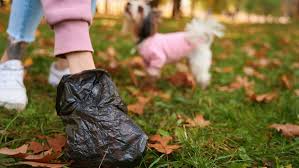
Throwing hundreds of single-use plastic waste bags directly into the municipal trash bin every single year creates a massive, highly unsustainable environmental footprint. Forward-thinking pet parents are aggressively abandoning plastic bags entirely, utilizing National Scoop the Poop Week to install highly efficient, in-ground anaerobic digesters. These brilliantly engineered systems act exactly like a miniature, highly localized septic tank strictly manufactured for canine waste.
Owners simply drop the raw waste directly into the buried tank, add a highly specialized enzymatic powder, and pour in a bucket of warm water. The living enzymes rapidly break the incredibly dense waste down into a completely safe, highly diluted liquid that naturally drains deep into the heavy subsoil. This advanced disposal method entirely eliminates foul trash can odors, drastically reduces plastic consumption, and permanently secures the biological hazard entirely underground.
Take the highly successful case of a sprawling suburban neighborhood in Texas that routinely suffered from terrifying seasonal Giardia outbreaks at the busy community dog park. The neighborhood association strictly banned plastic bags and successfully installed three massive, commercial-grade anaerobic digesters directly along the heavy walking trails. By heavily incentivizing proper, immediate biological breakdown, the aggressive parasitic outbreaks plummeted to absolute zero within a single calendar year.
Zoonotic Dangers and Household Contamination
The severe dangers of un-scooped waste do not magically stop at the back patio door. Canine waste is heavily loaded with zoonotic diseases, meaning these highly aggressive pathogens can easily cross the biological species barrier and infect human family members. Dangerous strains of Salmonella, E. coli, and Campylobacter heavily thrive in degrading backyard piles, waiting patiently for a new biological host.
When young children play heavily in a contaminated yard, they easily transfer these highly dangerous bacteria directly from the grass to their hands, and subsequently straight into their mouths. Furthermore, standard footwear brilliantly traps microscopic fecal dust deeply within heavy rubber treads. Walking directly from an un-scooped yard onto an expensive living room rug instantly weaponizes the entire house, heavily compromising indoor air quality and overall household sanitation.
🚨 Vet Fact: Canine parvovirus is a highly contagious, incredibly lethal gastrointestinal virus that actively sheds by the millions in the feces of an infected dog. This incredibly resilient virus effortlessly survives in unprotected topsoil for over a full year, surviving both extreme summer heat waves and brutal winter blizzards without degrading.
Establishing Designated Potty Zones
Strict backyard hygiene protocols are absolutely non-negotiable for a healthy, incredibly peaceful canine household. Handlers must firmly establish designated potty zones, heavily forcing the dog to eliminate in a highly restricted area entirely covered in easily replaceable pea gravel or heavy cedar mulch. Training the dog to strictly utilize this specific bathroom area completely prevents the entire lawn from turning into a massive, highly toxic minefield.
Confining the biological hazard to a strictly controlled, ten-foot perimeter drastically shrinks the danger zone and protects the rest of the vulnerable landscaping. This brilliant spatial management strategy makes the twice-weekly grid search incredibly fast and highly efficient, taking mere minutes rather than an entire exhausting afternoon. It effectively reclaims the vast majority of the backyard strictly for safe, completely barefoot human recreation.
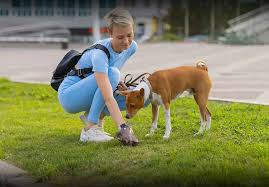
Consistency is the absolute key to successfully implementing this highly advanced designated potty zone. Handlers must walk the dog out on a standard six-foot leash directly to the gravel pit every single morning, heavily rewarding the dog with premium treats the exact second they eliminate in the correct zone. Over several weeks, the dog will biologically default to this specific texture, entirely sparing the fragile green grass from further destruction.
🐾 Snoutbit Pro-Tip: If an in-ground digester is completely unfeasible due to strict rental agreements or dense apartment living, immediately switch to certified, ASTM D6400 compliant compostable waste bags. These highly specialized plant-based bags completely break down in commercial composting facilities within ninety days, leaving absolutely zero toxic microplastics behind in the local landfill.
What To Do Next
- Deploy The Grid Search: Step outside today and systematically walk the entire backyard in incredibly tight, heavily overlapping geometric lines. Recovering absolutely every single forgotten pile immediately halts the heavy nitrogen burn and prevents massive bacterial loads from deeply penetrating the fragile spring topsoil.
- Audit The Disposal Arsenal: Throw away any cheap, incredibly thin plastic grocery bags currently utilized for daily waste management. Instantly upgrade to highly certified compostable bags or aggressively research a local canine waste removal service to guarantee the daily biological hazard is handled safely, legally, and sustainably.
Disclaimer: The content on Snoutbit.com is for informational and educational purposes only and is not intended to replace professional veterinary advice, diagnosis, or treatment. Always consult with your veterinarian before making significant changes to your dog’s diet, exercise routine, or health regimen.