A slipping leash, an accidentally opened front door, or a sudden booming thunderstorm can cause a deeply panicked dog to vanish in the blink of an eye. The sheer terror of a missing pet rapidly multiplies when handlers suddenly realize their dog’s physical ID tags are scratched completely beyond recognition. Relying on outdated digital identification or unreadable metal tags during a high-stakes emergency is a devastating mistake that leaves dedicated owners feeling entirely helpless.
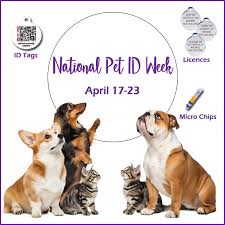
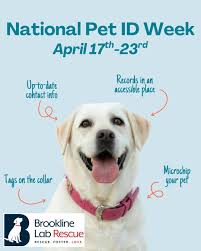
The definitive solution is actively participating in National Pet ID Week 2026 (April 17th – 23rd) by executing highly targeted, proactive safety protocols. Celebrating this vital week strictly requires stepping away from basic, generic advice and implementing advanced, fail-proof identification strategies. By physically auditing hardware, creating biological backups, and digitally securing registration data, pet parents can successfully build an unbreakable safety net around their highly valued canine companions.
National Pet ID Week: Overview Mind Map
- Digital Auditing: Logging directly into the correct manufacturer database to heavily update phone numbers and add out-of-state emergency contacts.
- Hardware Checks: Visiting a local veterinary clinic to perform a full-body scan, explicitly ensuring the RFID chip hasn’t migrated down the shoulder.
- Collar Mechanics: Permanently replacing cheap aluminum tags with deep-engraved, highly durable stainless steel alternatives.
- Visual Documentation: Capturing high-resolution, sharply focused photographs of the dog’s unique physical markings for immediate emergency deployment.
- Scent Preservation: Creating a highly sterile biological scent jar specifically designed for professional bloodhound tracking teams.
Advanced Activity 1: The Full-Body Scanner Sweep
Generic pet blogs simply tell owners to “update the microchip,” completely ignoring the harsh physical reality of the hardware itself. Microchips are incredibly tiny, glass-encased RFID transponders that are originally injected straight between the canine shoulder blades during puppyhood. Over several years, heavy gravity and natural tissue movement frequently cause this small implant to physically migrate down the dog’s side or deep into the heavy chest muscles.
If an exhausted shelter worker only scans the top of the neck, they might incorrectly assume the dog is completely unchipped. A highly advanced National Pet ID Week activity is immediately driving the dog to a local veterinary clinic and formally requesting a complimentary “courtesy scan.” Handlers must explicitly ask the veterinary technician to slowly sweep the scanner over the entire physical body, accurately pinpointing the exact current location of the hardware.
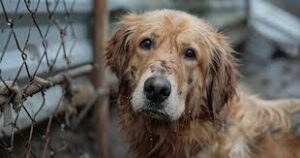
Consider the terrifying reality of a senior Golden Retriever in Ohio that escaped through a completely broken backyard fence. The local animal control officer scanned the dog’s neck twice and found absolutely nothing, nearly placing the dog directly into the general adoption pool. A seasoned rescue volunteer finally swept the scanner heavily down the dog’s left front armpit, instantly detecting the migrated chip and securing a safe, immediate ride home.
🚨 Vet Fact: A pet microchip absolutely does not contain GPS technology, internal batteries, or satellite tracking capabilities. It is simply a passive, highly dormant barcode that only transmits a unique 9, 10, or 15-digit number when successfully activated by the electromagnetic field of a veterinary scanner.
Advanced Activity 2: The AAHA Database Verification
A massive, highly dangerous misconception exists regarding exactly how microchip databases actually function in the United States. Owners frequently type their dog’s unique number into the AAHA (American Animal Hospital Association) Universal Pet Microchip Lookup tool and incorrectly assume their data is magically updated. The AAHA tool is strictly a search engine; it only tells the searcher which specific private company currently holds the dog’s digital file.
The most critical digital activity this week is taking that specific company name, navigating directly to their independent corporate website, and manually logging in. If the AAHA tool returns a terrifying “Unregistered” status, the hardware is completely blank and pointing to absolutely no human identity. Owners must immediately create a brand-new account with a national registry to physically link the internal number to a ringing cell phone.
Elite dog handlers always utilize this specific week to firmly establish a “Secondary Contact” redundancy protocol. Adding a trusted, highly responsible friend who lives entirely out of state brilliantly bypasses localized communication blackouts during natural disasters like hurricanes or wildfires. If a municipal shelter locates the dog but cannot reach the primary owner due to downed cell towers, they will immediately dial the secondary emergency contact.
Advanced Activity 3: The High-Resolution Visual Update
During an active emergency, deeply panicked handlers frequently post highly unhelpful, extremely blurry photos of their missing dog on social media. A vital, highly engaging activity for this specific week is conducting a high-resolution photo shoot from multiple, highly specific analytical angles. Handlers must capture the dog’s full-body profile, a direct headshot, and extreme close-ups of any unique identifying markings.
Identifying markings heavily include asymmetrical ear spots, distinctive tail kinks, or highly specific color patterns across the canine chest. These specific, high-definition photographs must be immediately uploaded to a dedicated, easily accessible cloud folder stored directly on the handler’s smartphone. Having these exact images instantly ready saves precious, highly valuable hours when generating local lost pet flyers or alerting digital neighborhood watch groups.
🐾 Snoutbit Pro-Tip: Never engrave the dog’s actual name onto their physical collar tags during your annual hardware upgrade. Displaying the name publicly allows opportunistic thieves to easily call the dog, quickly building false trust; simply engrave the heavy, bolded word “REWARD” and multiple emergency phone numbers instead.
Advanced Activity 4: The Hardware Upgrade Protocol
Physical identification tags hanging from the collar act as the absolute first line of defense during an unexpected, chaotic escape. Unfortunately, those incredibly cute, brightly colored aluminum tags quickly succumb to heavy physical friction, making the phone numbers completely unreadable within a few short months. Upgrading the dog’s physical hardware is a highly satisfying, incredibly necessary National Pet ID Week activity to ensure instant readability.
Handlers must completely ditch soft metals and invest exclusively in deep-engraved, heavy-duty brass or stainless steel tags. Additionally, elite behaviorists heavily recommend adding a modern QR-code tag directly alongside the traditional metal hardware for massive technological redundancy. When a friendly neighbor finds a lost dog and scans the QR code with their smartphone, it instantly pings the owner’s phone with an exact GPS location of the scan.
Take the highly stressful case of a young Siberian Husky that bolted during a busy neighborhood block party in Texas. The dog was successfully cornered by a neighbor, but the local municipal shelter was closed for the holiday weekend, meaning absolutely zero microchip scanners were available. The neighbor simply scanned the dog’s collar QR code, instantly accessing the owner’s alternate phone numbers and directly facilitating a massive reunion within twenty minutes.
Advanced Activity 5: The Sterile Scent Jar Creation
When a deeply panicked, highly fearful dog escapes into heavy, dense woods, standard physical searching frequently completely fails. In these severe emergencies, desperate owners often hire professional bloodhound tracking teams to hunt down the missing animal using elite canine olfaction. However, professional tracking dogs strictly require an absolutely pristine, uncontaminated scent article to successfully lock onto the specific target.
The absolute most advanced, highly proactive ID Week activity is actively creating a sterile biological scent jar right inside the kitchen. Put on completely clean, sterile medical gloves and vigorously wipe a sterile gauze pad across the dog’s underbelly, back, and armpits. Drop the heavily scented gauze directly into a completely clean glass mason jar, seal it tightly, and store it entirely out of direct sunlight.
This brilliant biological backup plan guarantees tracking teams have immediate, pristine access to the dog’s pure, isolated pheromones without any confusing human cross-contamination. Preparing this sterile jar takes less than three minutes but actively saves crucial, highly valuable tracking hours during a catastrophic vanishing event. It completely separates prepared, elite pet parents from those relying entirely on sheer luck and standard visual searches.
What To Do Next
- Execute the Database Login Audit: Do not just blindly assume the microchip company has the correct address and phone number currently on file. Physically locate the dog’s 15-digit ID number today, log directly into the manufacturer’s user portal, and rigorously verify that the primary phone number and emergency contacts are entirely up to date.
- Perform the “Friction Test”: Call the dog over right now and rigorously inspect their metal collar tags under a highly bright light. If the phone number is slightly faded, heavily scratched, or requires squinting to successfully read, immediately order a deep-engraved stainless steel replacement to guarantee instant readability for whoever finds the dog.
Disclaimer: The content on Snoutbit.com is for informational and educational purposes only and is not intended to replace professional veterinary advice, diagnosis, or treatment. Always consult with your veterinarian before making significant changes to your dog’s diet, exercise routine, or health regimen.