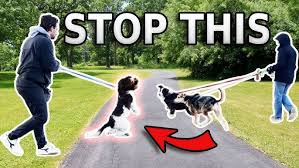
Dreading the daily neighborhood walk is a miserable, exhausting reality for owners of highly reactive dogs. Every single street corner feels like a highly dangerous trap waiting to trigger an explosive, deeply embarrassing barking meltdown. The relentless lunging and terrifying acoustic display frequently result in highly judgmental stares from completely terrified neighbors.
The definitive solution is replacing strict leash corrections with strategic threshold management and advanced counter-conditioning techniques. Stopping the barking requires physically keeping the dog far enough away from the trigger that their brain remains in a calm, cognitive learning state. By carefully pairing the distant visual of another dog with premium, high-value rewards, handlers slowly transform a terrifying neighborhood threat into a highly anticipated biological payday.
Canine Reactivity: Overview Mind Map
- Barrier Frustration: The intense psychological anxiety directly caused by the physical restriction of a standard walking leash.
- Trigger Stacking: The rapid, invisible accumulation of daily micro-stressors that ultimately lead to a massive behavioral explosion.
- Counter-Conditioning: The advanced scientific process of actively changing a dog’s underlying emotional response using premium rewards.
- Threshold Management: Precisely maintaining a specific physical distance where the dog can safely observe a trigger without actively reacting.
🐾 Snoutbit Pro-Tip: Upgrading the walk’s currency is absolutely non-negotiable for successfully treating severe leash reactivity. Standard dry kibble will never out-compete the massive adrenaline spike of seeing another dog on the sidewalk. Handlers must strictly utilize incredibly smelly, premium rewards like boiled chicken, cut hot dogs, or freeze-dried beef liver to capture the dog’s attention.
The Biology of The Leash Trap
Understanding the underlying biology of leash reactivity completely changes the entire canine training approach. When a domestic dog encounters a strange canine in the wild, their natural biological instinct is to curve widely around the stranger to politely gather scent data. A standard six-foot leash completely removes this highly critical flight option, physically trapping the animal in a terrifying straight-line confrontation.
Because the dog cannot physically flee the approaching threat, their nervous system immediately defaults to the defensive “fight” response. The explosive barking and violent lunging are simply a desperate, highly offensive strategy designed to create necessary physical distance. The dog is essentially screaming at the approaching animal to back away because the restrictive leash entirely prevents a polite, natural retreat.
Advanced Insight 1: The Invisible “Trigger Stacking” Bucket
Generic obedience advice frequently blames the handler for failing to command a proper sitting position during a barking meltdown. Elite behaviorists understand a much deeper psychological concept clinically known as “trigger stacking.” A dog’s brain acts exactly like a bucket rapidly filling with water; every stressful event adds another cup of cortisol until the bucket violently overflows.
If a dog barks out the front window at the mail carrier, gets scolded by a household guest, and then immediately goes for a walk, their invisible bucket is already completely full. The exact second they see another dog down the street, the bucket overflows into a massive, unstoppable barking fit. The approaching dog was simply the final environmental trigger, absolutely not the sole cause of the explosive physical reaction.
Consider the reality of a highly energetic Labradoodle in suburban Seattle that violently reacted to every single dog on morning walks. The owners completely failed to realize the dog spent the previous two hours aggressively guarding the front bay window from passing squirrels. Once the owners applied opaque window film to entirely block the visual triggers inside the house, the dog’s morning walks instantly became sixty percent calmer.
🚨 Vet Fact: Chronic, unmanaged leash reactivity forces the canine nervous system to endure massive, repetitive spikes in circulating cortisol. This constant stress hormone bath actively suppresses the canine immune system. This biological suppression makes highly reactive dogs significantly more susceptible to recurring skin infections and chronic gastrointestinal distress.
Advanced Insight 2: The J-Hook Leash Escape
When a reactive dog unexpectedly locks eyes with a target, owners immediately make a massive physical handling mistake. The natural human instinct is to tightly wrap the leash around the wrist and pull straight backward. This direct backward tension actively triggers the canine “oppositional reflex,” physically forcing the dog to lean aggressively forward and dig their paws into the concrete.

Instead of pulling straight back, elite handlers strictly utilize the highly effective “J-Hook” escape maneuver. The handler firmly locks their leash hand against their own hip and abruptly turns their entire body 180 degrees away from the approaching dog. Walking quickly in the exact opposite direction forms a “J” shape with the leash, physically turning the dog’s head away from the trigger without engaging the oppositional reflex.
This smooth, continuous movement forces the dog to immediately disengage visual contact and follow the handler’s physical momentum. It prevents the terrifying stand-off entirely and calmly removes the dog from the highly stressful situation. Perfecting the J-Hook completely eliminates the desperate, shoulder-dislocating tug-of-war that ruins so many daily walks.
Advanced Insight 3: The “Look At That” (LAT) Protocol
Most standard trainers teach owners to aggressively distract their dog with verbal commands when another dog approaches. This outdated method actually increases canine anxiety because it forces the terrified dog to look entirely away from the perceived threat. A dog physically cannot relax if they are constantly worried about a strange predator sneaking up directly behind them.
The advanced “Look At That” (LAT) protocol completely flips this outdated training script. Handlers actively allow the dog to visually lock onto the distant trigger for exactly two seconds. The exact moment the dog glances at the other dog without barking, the handler instantly marks the calm behavior with a clicker and delivers a premium reward.
The dog rapidly learns that looking at the scary trigger actually causes high-value food to magically rain from the sky. This brilliant biological hack completely rewires the emotional response occurring deep inside the canine amygdala. Instead of feeling terror when spotting a strange dog, the reactive dog feels intense anticipation for a delicious paycheck.
🐾 Snoutbit Pro-Tip: The LAT protocol completely fails if the dog is pushed too close to the trigger too quickly. If the dog refuses to eat premium roast beef, their brain has already crossed the crucial learning threshold and entered strict survival mode. Handlers must immediately increase the physical distance to regain cognitive control.
Real-World Counter-Conditioning Success
Take the highly challenging case of a rescued Pitbull mix in Chicago that severely suffered from extreme barrier frustration. The dog would scream violently at any canine located across a busy four-lane street. Standard obedience commands completely failed because the dog’s brain was entirely flooded with adrenaline.
By utilizing strict distance management and the LAT protocol, the owners slowly changed the dog’s underlying emotional association. The dog eventually learned to immediately turn and happily stare at the handler for a piece of cheese the exact second a strange dog appeared on the horizon. This massive behavioral shift proved that changing the emotion permanently stops the barking.
Hardware Upgrades for Tactical Control
Attempting to actively rehabilitate a highly reactive dog on a standard flat buckle collar is incredibly dangerous. When a dog lunges violently, a flat collar places immense, crushing pressure directly on the delicate canine trachea. This localized pressure often causes severe coughing fits, long-term cartilage damage, and massively increases the dog’s overall panic level.
Transitioning to a heavy-duty, front-clip walking harness provides handlers with crucial mechanical steering control. Because the leash attaches directly to the dog’s chest plate, any sudden forward lunging immediately forces the dog’s shoulders to pivot back toward the handler. This safe, highly effective mechanical redirection entirely prevents the dog from utilizing their full, forward-driving body weight.

Absolutely ban the use of retractable plastic leashes during any reactivity rehabilitation program. These thin cords provide zero tactile feedback, constantly maintain frustrating tension, and frequently snap under the massive shock load of a lunging dog. A standard, heavy-duty six-foot biothane or leather leash is the absolute only acceptable tool for maintaining critical safety in a public environment.
🚨 Vet Fact: Utilizing harsh punishment tools like prong collars or electronic shock collars on a leash-reactive dog frequently creates devastating behavioral fallout. Applying severe physical pain the exact moment a dog sees another canine practically guarantees the dog will deeply associate that intense pain with the presence of other dogs. This rapidly escalates simple fear into highly dangerous, offensive aggression.
What To Do Next
- Conduct a Premium Currency Audit: Throw away the standard dry biscuits currently sitting in the walking pouch. Immediately purchase high-value, highly odorous rewards like freeze-dried beef liver or low-sodium turkey hot dogs to ensure absolute focus during the next outdoor training session.
- Map the Neighborhood Escape Routes: Before stepping outside tomorrow, mentally map out exactly where the driveway cutouts, wide grassy berms, and empty alleyways are located. Having these designated “bail-out” zones memorized allows handlers to instantly execute the J-Hook maneuver and quickly create massive physical distance the moment a strange dog suddenly appears.
Disclaimer: The content on Snoutbit.com is for informational and educational purposes only and is not intended to replace professional veterinary advice, diagnosis, or treatment. Always consult with your veterinarian before making significant changes to your dog’s diet, exercise routine, or health regimen.