Summer celebrations quickly become a nightmare when sudden, booming fireworks turn a peaceful evening into a terrifying ordeal for household pets. Watching a beloved dog violently shake, aggressively pant, or frantically try to dig through the drywall leaves owners feeling entirely helpless and overwhelmed. The fear of a panicked dog escaping into the dark street creates immense anxiety for everyone involved in the household.
The definitive solution requires entirely blocking the acoustic and olfactory triggers hours before the sun even sets. The absolute biggest takeaway is that successfully helping a dog with fireworks anxiety requires highly proactive sensory deprivation. By creating a heavily insulated “acoustic shadow” room and leveraging a strategically timed carbohydrate-rich meal, handlers can naturally sedate the canine nervous system and prevent the panic cycle from ever starting.
Fireworks Anxiety: Overview Mind Map
| Strategy | Implementation | Core Canine Benefit |
|---|---|---|
| Acoustic Shadowing | Relocating the dog to an interior, windowless bathroom or central basement. | Physically blocks the concussive shockwaves of loud, low-frequency explosions. |
| The Carb Crash | Feeding a heavy carbohydrate meal exactly two hours before dusk. | Naturally spikes serotonin and induces deep, biological lethargy. |
| Olfactory Masking | Sealing windows and utilizing competing, calming essential oils. | Hides the terrifying, airborne smell of atmospheric sulfur and gunpowder. |
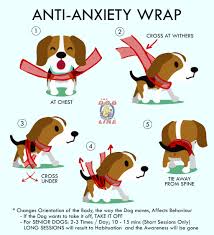
| Compression Therapy | Properly fitting a specialized anxiety wrap or snug t-shirt. | Provides deep-touch pressure to continuously mimic a reassuring hug. |
Export to Sheets
Advanced Insight 1: The “Acoustic Shadow” Bunker
Generic pet advice repeatedly suggests simply turning up the living room television to drown out the loud neighborhood explosions. This completely fails because a dog’s hearing is infinitely more sensitive to the low-frequency, physical vibrations of a heavy firework mortar. To properly shield the animal, handlers must utilize the architectural concept of an “acoustic shadow.”
An acoustic shadow is the specific area within a home that possesses the maximum amount of physical mass between the interior walls and the outside environment. This is typically a windowless central bathroom, a walk-in closet, or a subterranean basement. Relocating the dog’s primary bed, water bowl, and favorite chew toys into this high-mass zone creates a physical barrier that drastically deadens the terrifying concussive shockwaves.
🐾 Snoutbit Pro-Tip: Transform the acoustic shadow room into a highly effective bunker by rolling up heavy winter blankets and placing them tightly against the bottom of the doors. This completely blocks the small drafts that carry terrifying, high-pitched whistling sounds directly into the dog’s designated hiding space.
The Reality of Acoustic Shielding
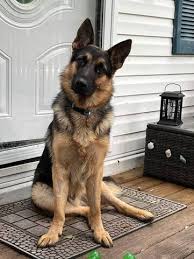
Consider the reality of a rescued German Shepherd mix in Texas that was absolutely terrified of sudden, booming noises. During a massive neighborhood July Fourth celebration, the panicked dog actually broke straight through a reinforced patio screen door attempting to escape the noise. The following year, the owners prepared an acoustic bunker inside their master closet, utilizing heavy winter coats hung on the walls to actively dampen the sound.
The Shepherd spent the entire evening safely curled up on a pile of laundry, completely unaware of the explosive chaos happening outside. By entirely removing the visual flashes and muffling the physical vibrations, the owners entirely prevented a repeat of the previous year’s highly traumatic escape attempt. Environmental management always heavily outperforms reactive comforting when dealing with severe, deeply ingrained phobias.
Advanced Insight 2: The “Carbohydrate Crash” Timing
Most owners naturally feed their dogs at the standard evening dinner hour, completely unaware they are missing a massive biochemical opportunity. Elite behaviorists heavily leverage the biological phenomenon known as the “carbohydrate crash” to naturally calm a highly anxious dog. High-carbohydrate meals trigger a massive release of insulin, which subsequently clears competing amino acids from the bloodstream and allows tryptophan to flood the brain.
This massive influx of tryptophan directly converts into serotonin, the specific neurotransmitter heavily responsible for deep relaxation and intense sleepiness. To perfectly execute this hack, feed the dog a specialized, carbohydrate-heavy meal exactly two hours before the fireworks are scheduled to begin. Combining their standard kibble with dog-safe plain oatmeal, mashed sweet potatoes, or boiled brown rice flawlessly induces this natural, lethargic state.
🚨 Vet Fact: Never attempt to share human anti-anxiety medications or over-the-counter sedatives with a panicked, panting dog. Human medications are highly toxic to the canine liver and can easily cause fatal overdoses; always secure highly specific, prescription-grade situational anxiety medication directly from a licensed veterinarian.
Advanced Insight 3: Competing Olfactory Input
Canines experience the world primarily through their incredibly advanced olfactory system, smelling incoming weather changes and chemical shifts long before humans notice them. Fireworks produce a distinct, highly pungent odor of burning sulfur, saltpeter, and gunpowder that lingers heavily in the humid summer air. For a dog that already intimately associates loud booms with sheer terror, this specific chemical smell acts as a terrifying early warning system.

The dog physically begins to panic simply from smelling the gunpowder, long before the first explosive is even launched into the sky. Successfully helping a dog requires aggressively masking this atmospheric shift using competing, highly calming olfactory input. Sealing all windows completely shut and utilizing a pet-safe essential oil diffuser near the air intake vents drastically alters the indoor scent profile.
Utilizing pure, heavily diluted dog-safe lavender or chamomile creates a powerful sensory disruption that actively hides the terrifying smell of the neighborhood explosives. The dog’s brain remains entirely unaware that the external environment has abruptly shifted into a chaotic state. This specific olfactory masking is a crucial, entirely overlooked component of comprehensive canine anxiety management.
The Power of Scent Disruption
A highly sensitive Golden Retriever living in a busy Florida suburb would begin aggressively panting and drooling every single New Year’s Eve right around sunset. The owners finally realized the dog was actively reacting to the faint smell of early firecrackers being lit several blocks away. They immediately sealed the house, turned off the air conditioning unit that was pulling outside air inside, and utilized a calming pheromone diffuser.
By completely blocking the olfactory triggers, the Retriever’s baseline anxiety absolutely plummeted. The dog calmly chewed a frozen peanut butter toy on the rug instead of nervously pacing the hardwood living room floor. Recognizing that canine fear starts directly in the nose, not just the ears, entirely changed the trajectory of the dog’s holiday experience.
🐾 Snoutbit Pro-Tip: Freeze a high-value, heavy-duty chew toy completely solid twenty-four hours before the event. The physical act of intense, repetitive licking releases massive amounts of endorphins directly into the canine bloodstream, acting as a highly effective, natural self-soothing mechanism during loud, stressful events.
The “Comforting” Myth Dispelled
An incredibly persistent, deeply harmful myth exists that comforting a terrified dog actively reinforces their extreme fear. Outdated trainers frequently advise owners to completely ignore their shaking, traumatized pet to strictly avoid “rewarding” the anxiety. Modern behavioral science thoroughly proves that fear is an uncontrollable emotional state, not a trained, voluntary behavior that can be reinforced with praise.
If a dog desperately seeks physical contact during a terrifying event, handlers must absolutely provide calm, grounding support. Petting a dog with slow, heavy, deliberate strokes straight down their spine physically lowers their racing heart rate. Remaining incredibly calm, breathing slowly, and offering a sturdy physical presence acts as an essential, life-saving emotional anchor for a panicked animal.
However, owners must entirely avoid frantic, high-pitched baby talk, as this frantic energy easily convinces the dog that there is indeed a massive threat. The handler must project absolute, unwavering confidence at all times. If the human acts like the incoming explosions are completely boring and highly irrelevant, the dog is significantly more likely to eventually adopt that exact same relaxed mindset.
Leveraging Deep-Touch Pressure
Beyond acoustic and olfactory shielding, handlers can leverage the powerful science of deep-touch pressure therapy to expertly soothe a frightened dog. Specialized anxiety wraps or tightly fitted t-shirts apply gentle, constant pressure directly to the dog’s torso. This sustained physical compression flawlessly mimics the calming sensation of being firmly swaddled, which biologically signals the parasympathetic nervous system to physically calm down.

Many high-anxiety dogs immediately stop frantic pacing the exact second a compression garment is securely fastened around their chest. It is highly crucial to introduce these garments during completely calm, quiet days so the dog associates the shirt with relaxation, rather than exclusively with terrifying explosions. Properly utilizing deep-touch pressure effectively transforms a highly vulnerable, shaking animal into a grounded, significantly calmer companion.
What To Do Next
- Identify the Acoustic Shadow: Walk through the house today and precisely locate the room with the most interior walls and zero exterior windows. Clear a space in this specific room, set up a comfortable dog bed, and start feeding the dog their daily meals there immediately to build a highly positive association with the new bunker.
- Prepare the Carb-Crash Meal: Purchase plain, pureed sweet potato or dog-safe oatmeal days ahead of the major holiday. Plan to mix a generous, healthy portion of these heavy carbohydrates directly into the dog’s dinner bowl exactly two hours before sunset to naturally spike their calming serotonin levels right before the noise begins.
Disclaimer: The content on Snoutbit.com is for informational and educational purposes only and is not intended to replace professional veterinary advice, diagnosis, or treatment. Always consult with your veterinarian before making significant changes to your dog’s diet, exercise routine, or health regimen.