Booking a cross-country flight while staring at a highly anxious canine companion creates an incredibly overwhelming sense of dread. The terrifying thought of the dog violently crying under the narrow airplane seat or getting completely turned away at the boarding gate keeps dedicated owners awake at night. The definitive solution requires entirely abandoning last-minute packing and adopting a rigorous, highly scientific approach to travel conditioning.
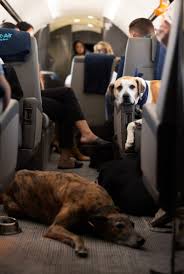
Successfully flying with a dog requires three non-negotiable elements: an airline-approved carrier, a comprehensive veterinary health certificate, and rock-solid environmental neutrality. The biggest takeaway is that airplanes are massive, terrifying sensory overloads completely packed with strange smells, loud engine roars, and sudden pressure changes. Protecting the dog’s mental health requires replicating these exact stressful triggers inside the living room months before the actual flight date.
Canine Aviation: Overview Mind Map
- Core Objective: Safely transporting a canine via commercial airline while completely minimizing biological panic and adhering strictly to federal aviation laws.
- Cabin Travel: Dogs strictly under twenty pounds flying directly under the passenger seat in a soft-sided, ventilated carrier.
- Cargo Travel: Large breeds flying in the pressurized, temperature-controlled cargo hold within a heavy-duty, hard-plastic kennel.
- Massive Red Flags: Attempting to sedate a dog without explicit veterinary supervision or utilizing a carrier that prevents the dog from fully standing up and turning around.
Advanced Insight 1: The TSA Extraction Simulation
Generic travel blogs frequently gloss over the absolute most terrifying, highly chaotic portion of the entire airport experience. When flying with a dog in the cabin, handlers are strictly required to completely remove the animal from the carrier to walk through the physical metal detector. The empty carrier must then be sent directly through the loud, highly intimidating X-ray machine.
Thousands of dogs suffer massive panic attacks the exact second they are unzipped in this highly chaotic, incredibly noisy security environment. Dogs view their carrier as a safe, enclosed den; forcefully ripping them out while strangers shout instructions triggers a massive biological flight response. Elite handlers actively prevent this nightmare by running meticulous TSA extraction simulations right inside their own homes.
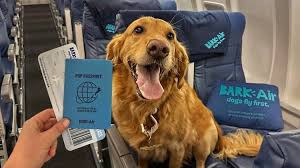
Play loud, chaotic airport terminal sounds through a living room speaker and practice swiftly unzipping the bag to extract the dog. Heavily reward the dog with premium meat paste the exact second they are safely in human arms. This specific, targeted conditioning completely rewires the canine brain to view the loud security unzipping as a highly anticipated, deeply rewarding event rather than a terrifying ambush.
🚨 Vet Fact: The American Veterinary Medical Association (AVMA) heavily advises against utilizing tranquilizers or severe sedatives for dogs traveling in the cargo hold. Sedatives heavily disrupt the animal’s natural ability to regulate core body temperature and completely suppress their vital respiratory system, making them incredibly dangerous at high altitudes.
The Brutal Reality Of The Gate Agent “Turnaround Test”
Airlines enforce incredibly strict, completely unyielding sizing policies regarding exactly which pets are legally permitted inside the passenger cabin. The dog must be physically small enough to comfortably stand up, execute a complete circle, and lie down naturally without touching the top of the carrier. If the dog is visibly crammed into a tiny bag, a strict gate agent will instantly deny boarding without offering a refund.
Handlers frequently attempt to sneak twenty-five-pound, highly muscular dogs into standard cabin bags, simply hoping the airline staff will ignore the rules. This massive gamble almost always results in a highly devastating, incredibly expensive airport rejection. Always purchase the carrier three months in advance to definitively verify the dog can easily execute the required “turnaround test” without scraping their spine.
Consider a highly stressful scenario involving a French Bulldog attempting to fly out of Los Angeles International Airport. The owners purchased a sleek, heavily marketed designer travel bag that completely failed the airline’s specific ventilation requirements. The strict gate agent completely rejected the carrier, forcing the exhausted family to frantically sprint through the terminal searching for a compliant, overpriced replacement bag minutes before takeoff.
Advanced Insight 2: Beating The Tarmac Temperature Embargo
Pet parents flying large breeds in the cargo hold frequently arrive at the ticketing counter only to discover their flight is completely canceled. This catastrophic disruption happens due to incredibly strict, federally mandated weather embargoes designed purely to protect animal life. If the physical temperature on the airport tarmac at either the departure or arrival city exceeds eighty-five degrees Fahrenheit, the airline legally cannot load the dog.
Cargo holds are heavily pressurized and temperature-controlled during the actual flight, but the massive danger occurs while the dog sits waiting on the baking asphalt. Generic travel advice completely ignores this massive logistical hurdle, leaving families entirely stranded during peak summer travel months. Elite planners always specifically book red-eye or incredibly early morning flights to guarantee the local temperature remains significantly below the strict legal embargo limits.
If a severe winter storm or massive heatwave suddenly strikes the routing path, airlines will instantly prioritize animal safety and reject the cargo booking. Always possess a highly detailed, fully funded backup plan, such as renting a large SUV, if the weather suddenly renders commercial canine aviation legally impossible.
🐾 Snoutbit Pro-Tip: Commercial airlines strictly limit the total number of live animals allowed inside the main cabin per flight, often capping it at just four to six pets. Never purchase a human flight ticket online without simultaneously calling the airline reservation desk to physically guarantee an available pet slot still exists for that exact routing.
Advanced Insight 3: The Frozen Hydration Hack
Keeping a dog perfectly hydrated during a stressful, six-hour cross-country flight presents a massive physical challenge for dedicated handlers. Placing a standard, open bowl of water directly into the carrier guarantees a massive, freezing spill the exact second the airplane hits heavy turbulence. Sitting in a soaking wet, highly uncomfortable fleece pad for hours rapidly drops the dog’s core body temperature and drastically spikes their physical anxiety.
Professional canine handlers completely bypass this messy nightmare by utilizing the brilliant “frozen bowl” hydration hack. Fill a sturdy, spill-proof travel bowl with fresh water and freeze it completely solid the night before the scheduled flight. As the dog travels, the heavy block of ice slowly melts over several hours, providing continuous, entirely spill-free hydration exactly when the animal needs it most.
Alternatively, owners can ask the flight attendant for a simple cup of plain ice cubes during the standard beverage service. Tossing a few ice cubes into the carrier allows the dog to comfortably crunch and hydrate without ever flooding the restricted floor space.
Mastering Carrier Desensitization
A dog will never naturally love being forcefully zipped into a dark, restrictive bag for hours on end. Achieving true, relaxed neutrality inside the carrier requires a painstakingly slow, heavily structured desensitization protocol starting months before departure. The ultimate goal is making the travel carrier the absolute highest-value, most highly rewarding piece of real estate inside the entire house.
- The Open Door Policy: Leave the carrier completely open in the middle of the living room, actively hiding high-value treats inside for the dog to randomly discover.
- The Zipped Dinner: Begin feeding every single daily meal directly inside the bag, slowly zipping the door entirely shut only while the dog is happily chewing.
- The Motion Sickness Cure: Carry the zipped bag around the house, slowly moving up to short, highly rewarding car rides to completely cure motion nausea before ever attempting the physical airplane.
If the dog intensely panics or violently claws at the mesh walls, the conditioning protocol was rushed far too quickly. Immediately unzip the bag, completely remove all physical pressure, and step the training back to a highly comfortable, successful foundation.
🚨 Vet Fact: Domestic airlines strictly require an official Certificate of Veterinary Inspection (CVI) proving the dog is completely healthy and up-to-date on massive rabies protocols. This specific legal document is only valid for exactly ten days, meaning the veterinary appointment must be meticulously scheduled immediately prior to the actual departure date.
Navigating Pet Relief Areas
Modern airports are legally mandated to provide specialized, designated pet relief areas entirely inside the secure terminal zones. These tiny, artificially grassed rooms are absolute lifesavers during long, highly stressful layovers, preventing the nightmare of exiting and re-entering the grueling security lines. However, these specific rooms are frequently heavily soiled, intensely smelling of potent chemicals and hundreds of other anxious dogs.
Many highly sensitive or incredibly clean dogs will completely refuse to utilize these artificial, highly unnatural bathroom environments. Handlers must proactively condition their dog to eliminate on incredibly strange surfaces, such as fake turf or concrete, weeks before the travel date. Bringing a small, highly familiar piece of a used pee pad perfectly triggers the dog’s olfactory memory, quickly encouraging them to successfully potty in the strange airport room.
If a severe bathroom accident does tragically occur directly inside the carrier, never panic or violently scold the dog. Quietly proceed to the nearest family restroom, utilize heavy-duty antibacterial wipes, and completely replace the soiled carrier lining with the fresh backup pads cleverly stored in the carry-on luggage.
🐾 Snoutbit Pro-Tip: Spray the interior lining of the travel carrier with a high-quality, canine-appeasing pheromone exactly fifteen minutes before arriving at the busy airport drop-off zone. This synthetic spray perfectly mimics the deeply calming biological hormones produced by a nursing mother dog, naturally lowering the animal’s acute travel anxiety.
Day-Of-Flight Fasting Protocols
Feeding a dog a massive, heavy breakfast right before boarding a turbulent commercial airplane is a catastrophic, highly messy mistake. The combination of intense biological stress, massive altitude changes, and heavy stomach contents practically guarantees severe canine motion sickness. Vomiting inside a tightly enclosed, zipped carrier instantly turns the travel experience into a deeply traumatic, highly unsanitary nightmare for everyone involved.
Elite handlers strictly enforce a highly necessary physical fast, completely withholding all solid food for exactly six to eight hours prior to takeoff. This ensures the dog travels on an entirely empty stomach, massively reducing the severe risk of nausea or explosive bathroom accidents mid-flight. Once the airplane safely touches down and the dog has successfully utilized a grassy outdoor relief area, they can immediately receive a highly rewarding, appropriately sized meal.
What To Do Next
- Execute the Turnaround Test Today: Do not rely entirely on the manufacturer’s printed weight limits. Physically place the dog inside the fully zipped travel carrier right now and strictly verify they can comfortably stand up and execute a complete 360-degree circle without their head violently touching the top mesh.
- Schedule the CVI Appointment: Grab a calendar and count backward exactly ten days from the physical departure flight. Immediately call the local veterinary clinic to lock in an appointment within that incredibly strict, non-negotiable window to secure the mandatory health certificate required for legal boarding.
Disclaimer: The content on Snoutbit.com is for informational and educational purposes only and is not intended to replace professional veterinary advice, diagnosis, or treatment. Always consult with your veterinarian before making significant changes to your dog’s diet, exercise routine, or health regimen.