Living with a severe, life-altering disability often makes navigating the public world feel entirely impossible and completely exhausting. Searching for a highly trained canine partner immediately exposes vulnerable individuals to a terrifying landscape of predatory scam artists and fake registries. The absolute solution is understanding that federal law strictly defines a service animal by its specific task training, completely bypassing the need for meaningless, expensive internet ID cards.
The biggest takeaway for anyone seeking a canine medical partner is that legitimate service animal training programs require a staggering minimum of 120 hours of hands-on coaching. Securing a genuine, highly reliable service dog requires meticulously vetting organizations through Assistance Dogs International (ADI) or hiring a private behaviorist who specializes exclusively in public access conditioning. Skipping this intensive vetting process practically guarantees a heartbreaking failure, wasting tens of thousands of dollars on a dog that ultimately panics inside a crowded grocery store.
Service Animal Training: Overview Mind Map
- Core Objective: Forging an unbreakable, highly neutral medical partner capable of flawlessly executing life-saving tasks in chaotic public environments.
- Program Types: Fully-trained agency placements (waitlists often exceed three years) versus heavily supervised owner-training protocols.
- Federal Law: The Americans with Disabilities Act (ADA) exclusively protects task-trained dogs, legally granting them full public access.
- Massive Red Flags: Organizations promising a fully trained medical alert dog in less than three months or aggressively selling laminated registration IDs.
What exactly makes a dog a legal service animal?
A massive wave of public confusion constantly surrounds the critical, legal distinction between an emotional support pet and a working service animal. Under the ADA, a service dog is individually trained to perform highly specific physical work or tasks that directly mitigate a handler’s disability. Merely providing generalized emotional comfort or anxiety relief completely fails to meet this rigorous, federal legal standard.
If a handler walks into a restaurant, business owners are legally permitted to ask exactly two specific questions. They can ask if the dog is required because of a disability, and they can ask what specific work or task the dog has been trained to perform. The business owner cannot legally request private medical documentation, demand the dog perform the task on command, or ask for a fake online registration card.
Advanced Insight 1: The Biological Wash-Out Reality
Generic advice heavily implies that any friendly Golden Retriever can automatically become a flawless, life-saving medical partner. Elite behavioral consultants understand the brutal reality that roughly fifty to seventy percent of all dogs selected for elite programs ultimately fail. This massive failure rate, clinically known as “washing out,” happens because the dog simply lacks the intense, biological nerve strength required for high-pressure public access.
A dog might perfectly detect blood sugar drops inside a quiet living room but completely panic when a noisy delivery truck backfires on a busy sidewalk. True service animal training programs constantly evaluate the canine’s stress threshold, actively removing any dog that displays subtle signs of environmental anxiety. Pushing a highly stressed dog into public service is entirely unethical and frequently creates a highly dangerous, reactive animal.
🚨 Vet Fact: Heavy mobility service dogs tasked with bracing or pulling wheelchairs must undergo rigorous, specialized orthopedic testing at two years of age. A board-certified veterinarian must clear the dog’s hips, elbows, and spine using advanced radiographs to ensure the heavy physical labor will not cause devastating, permanent joint damage.
Owner-Training vs. Agency Placements
Obtaining a fully trained adult dog directly from an elite, ADI-accredited agency frequently costs upwards of thirty thousand dollars. These astronomical costs and agonizing three-year waitlists force many disabled handlers to attempt the highly grueling owner-training route. Owner-training requires the handler to adopt a carefully vetted puppy and personally execute thousands of hours of intense behavioral modification alongside a private coach.
Consider the reality of an incredibly dedicated handler in Florida training a rescued Labrador mix for severe psychiatric mobility assistance. The handler spent a full year simply teaching the dog to completely ignore dropped food in the supermarket before ever attempting advanced deep pressure therapy. This painstakingly slow, highly structured approach ultimately yielded a flawless public access dog, saving the handler thousands of dollars in agency fees.
Advanced Insight 2: The Myth of the “Natural” Alert
A massive, highly dangerous myth insists that dogs naturally know exactly when a human is about to suffer a severe medical emergency. While some dogs possess an uncanny, natural sensitivity to human chemical shifts, true reliability strictly requires thousands of repetitions of highly structured scent conditioning. Leaving a life-or-death medical alert entirely up to a dog’s unconditioned instincts is a catastrophic, frequently fatal mistake.

Elite service animal training programs utilize complex scent extraction protocols to capture the exact biological odor of a chemical crash. Handlers swab their saliva during an active low blood sugar episode, immediately freezing the sample in sterile glass vials. The dog is then meticulously trained over months to recognize that specific chemical odor and immediately perform an aggressive, undeniable physical alert, like a heavy nose nudge to the leg.
🐾 Snoutbit Pro-Tip: Never allow random strangers to distract, pet, or make intense eye contact with a working service dog in a public space. An actively working dog is heavily focused on monitoring their handler’s subtle biological cues; unwanted public interference literally puts the handler’s physical safety at massive risk.
How do trainers build bulletproof public neutrality?
A legitimate medical partner must seamlessly navigate highly chaotic, intensely terrifying human environments without showing a single ounce of hesitation or fear. This requires a specialized, advanced conditioning phase explicitly known as public access training. Trainers meticulously expose the young dog to sliding glass doors, loud grocery carts, and terrifying grated staircases while heavily rewarding calm, neutral behavior.
If a dog startles at a loud noise, they must immediately recover and return their absolute focus directly to the handler within three seconds. A dog that continually pulls toward other passing pets, sniffs product shelves, or aggressively demand-barks inside a retail store instantly fails the public access evaluation. Total neutrality is the ultimate, non-negotiable hallmark of a successfully completed service animal training program.
Advanced Insight 3: The Handler’s Emotional Leash Transfer
Many brilliantly trained dogs flawlessly graduate from elite programs but rapidly deteriorate the exact second they are permanently placed with their disabled handler. This heartbreaking regression happens because dogs are biological sponges, actively absorbing the handler’s internal emotional state directly through the leash. If the handler experiences severe, gripping anxiety while navigating a crowded mall, the dog frequently absorbs that panic and begins acting highly reactive.
Elite programs completely counteract this phenomenon by mandating an intense, multi-week “handler camp” before the dog ever goes home. The disabled handler must physically move into the training facility, learning exactly how to control their breathing and leash mechanics. The professional trainer meticulously coaches the human on how to confidently lead the dog, ensuring the canine feels perfectly safe taking direction from their new partner.
Spotting predatory scam organizations
The explosive demand for highly trained canine partners has unfortunately created a massive, highly lucrative black market of predatory scammers. These unethical businesses frequently operate slick websites promising a fully certified, bomb-proof service dog delivered to the front door in just four weeks. True behavioral conditioning physically takes a minimum of eighteen to twenty-four months; anything less is an undeniable, glaring scam.
Take the terrifying case of a desperate family in Texas who paid fifteen thousand dollars to a heavily marketed, unaccredited online company for an autism support dog. The dog arrived aggressively terrified of loud noises and immediately bit a visiting neighbor, clearly having received zero actual public access conditioning. Reclaiming those stolen funds is nearly impossible, leaving the family entirely devastated and financially ruined.
🚨 Vet Fact: Spaying or neutering a service dog prospect too early directly disrupts crucial bone growth plates and heavily alters vital behavioral hormones. Elite programs now heavily mandate waiting until the dog is physically mature, around eighteen to twenty-four months of age, before altering them to ensure maximum orthopedic and neurological health.
The critical importance of continuing education
Service dog training does not miraculously stop the exact day the animal officially graduates from the designated program. Canine brains require constant, daily maintenance to ensure their highly complex, life-saving tasks remain perfectly sharp. Handlers must dedicate at least ten minutes every single day to actively practicing emergency alerts in highly controlled, low-stress environments.
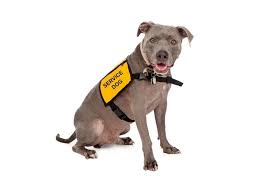
If a dog is never asked to perform a specific medical retrieval task for six months, that behavioral pathway rapidly degrades inside the brain. A highly responsible handler constantly reinforces obedience commands, meticulously preventing sloppy loose-leash walking or annoying begging habits from slowly developing. True partnership requires a lifelong, deeply committed dedication to canine education.
🐾 Snoutbit Pro-Tip: Keep a detailed, daily training logbook completely dedicated to tracking the dog’s task reliability and public access behavior. Documenting tiny, subtle regressions allows the handler to immediately schedule a brief brush-up session with a professional behaviorist before the issue morphs into a massive behavioral failure.
What To Do Next
- Verify Accredited Organizations: Open a web browser right now and search the official Assistance Dogs International (ADI) database to locate fully accredited, strictly vetted training facilities in the local region. Utilizing this specific directory is the absolute safest, most undeniable way to completely avoid predatory online scams and highly dangerous, uncertified backyard trainers.
- Audit Task Requirements: Grab a notepad tonight and meticulously list the exact, physical tasks required to actively mitigate the specific disability. Presenting this highly detailed, functional list to a professional behaviorist provides a flawless architectural blueprint for determining if a service dog is actually the correct, viable medical intervention.
Disclaimer: The content on Snoutbit.com is for informational and educational purposes only and is not intended to replace professional veterinary advice, diagnosis, or treatment. Always consult with your veterinarian before making significant changes to your dog’s diet, exercise routine, or health regimen.