Living with a highly reactive, out-of-control dog transforms a peaceful household into an exhausting, daily battleground. Dragging an anxious dog into a crowded pet store group class often results in massive embarrassment, relentless barking, and absolutely zero behavioral progress. The ultimate solution requires abandoning the chaotic group setting and investing directly in professional private dog training classes to regain absolute control of the home.
The most critical takeaway is that dogs are highly contextual learners who frequently fail to transfer skills learned in a sterile classroom back to a chaotic living room. Private dog training classes completely bypass this massive hurdle by executing the behavioral modification directly inside the specific environment where the bad habits actually occur. This highly customized, one-on-one approach is strictly necessary for permanently resolving severe canine anxiety, intense resource guarding, and dangerous territorial aggression.
The Group Class Illusion For Reactive Dogs
Group obedience classes serve an incredibly specific, highly narrow purpose within the massive canine education industry. They are undeniably brilliant for teaching young, highly confident puppies foundational commands like “sit” or “stay” under mild environmental distraction. However, placing a deeply fearful or highly aggressive adult dog into a tiny room full of strange canines is a catastrophic behavioral mistake.
This chaotic, incredibly loud environment violently floods the anxious dog’s delicate nervous system, triggering an immediate fight-or-flight panic response. A panicking dog completely loses biological access to the cognitive learning centers of their brain, rendering all training efforts completely useless. Attempting to force compliance through leash pops or shouting only deepens the animal’s profound terror and heavily damages the handler bond.
🚨 Vet Fact: Forcing a highly reactive dog into a crowded group class floods their bloodstream with intense, sustained levels of cortisol. This massive stress hormone buildup actively suppresses the canine immune system and physically prevents the brain from committing any new behavioral commands to long-term memory.
Advanced Insight 1: The Contextual Home Audit
Generic training advice frequently ignores how specific interior home design directly triggers or enables severe canine destruction. Highly intelligent, bored working breeds frequently target specific physical features in the house simply to burn off excess, frustrated mental energy. An elite private trainer physically audits the exact home environment to permanently stop this destruction at the root source.
Consider the reality of a family dealing with an adolescent Kelpie that developed a severe obsession with newly installed, custom interior cabinetry. The highly energetic rescue dog constantly gnawed on the asymmetrical, staggered shelving cubbies, completely ignoring all basic obedience commands learned during a Saturday morning group class. The owners were completely exhausted, desperately spraying bitter apple on the expensive wood to no avail.
A private behaviorist visited the home and immediately recognized the intense herding breed’s desperate need for a complex mental “job.” The trainer entirely redirected the destructive chewing onto heavy-duty frozen puzzle toys and utilized specific spatial pressure to teach the dog to respect an invisible kitchen boundary. The costly cabinet destruction completely stopped within three days without utilizing a single harsh physical punishment.
Advanced Insight 2: Decoding Handler Micro-Mechanics
A dog’s autonomic nervous system is scientifically proven to sync directly with their primary human handler’s heart rate and subtle breathing patterns. In a massive group class, the instructor is physically too far away to properly observe the microscopic tension in an owner’s shoulders or the tightening of their grip on the leash. These tiny, entirely unconscious human movements instantly signal massive environmental panic directly down the leash to the dog.
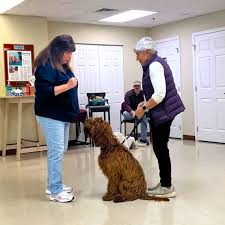
Private dog training classes focus heavily on meticulously grading and actively adjusting the human handler’s exact mechanical timing. A dedicated coach closely watches how the owner physically delivers a treat, ensuring the reward velocity perfectly matches the dog’s internal arousal levels. Correcting these tiny, invisible handler errors creates explosive, highly reliable obedience that simply cannot be achieved in a chaotic room of ten barking dogs.
🐾 Snoutbit Pro-Tip: Never tidy up the house or hide heavily chewed items right before a private trainer arrives for an initial in-home consultation. Allowing the professional behaviorist to closely observe the raw, chaotic reality of the living space provides incredibly vital diagnostic clues about the dog’s daily environmental stress triggers.
The Hidden Dangers Of Board-And-Train Facilities
Exhausted pet parents are frequently seduced by the slick, highly aggressive marketing of expensive board-and-train facilities, desperately hoping for a magical overnight fix. The allure of dropping off an unruly dog and picking up a perfectly trained, robotic companion weeks later seems incredibly convenient. However, this highly expensive model fundamentally fails because effective behavioral modification is actually entirely about teaching the human, not just the animal.
A dog will easily perform flawless obedience for a professional trainer inside a highly sterile, heavily structured kennel environment. When that exact same dog returns to their familiar, chaotic living room, they quickly realize the owners do not possess the same clear communication skills. The old, highly destructive habits instantly return, creating massive household frustration and entirely wasting thousands of hard-earned dollars.
Private classes actively force the owner to do the actual, physical mechanical work under the highly watchful eye of a professional coach. This builds massive, unbreakable handler confidence that translates flawlessly to the real world.
Advanced Insight 3: Micro-Managing Resource Guarding
Severe resource guarding is arguably one of the most terrifying, highly dangerous behavioral issues a family can ever face. A dog violently snapping over a stolen shoe or a metal food bowl requires intense, highly strategic behavioral intervention that a generic group class simply cannot safely provide. Attempting to fix resource guarding in a public park is completely ineffective because the dog’s high-value resources exist strictly inside the home.
A certified private trainer safely maps out the exact “guarding zones” within the house, such as specific living room couches or tight, narrow hallways. They instantly implement strict environmental management protocols, utilizing heavy-duty baby gates and structural tethering to completely prevent the dog from practicing the dangerous behavior. The trainer then meticulously guides the owner through highly structured, high-value trade games to slowly dismantle the dog’s deep-seated panic over losing items.
🚨 Vet Fact: Sudden, highly uncharacteristic aggression or fierce resource guarding in an older, previously gentle dog is almost always a direct symptom of severe, hidden physical pain. A massive, comprehensive veterinary examination is strictly required to rule out osteoarthritis or dental disease before initiating any private behavioral modification program.
Addressing Severe Shelter Trauma Privately
Adopting a deeply traumatized stray dog introduces incredibly unique, highly complex behavioral challenges to the typical suburban household. These highly fragile dogs frequently miss out on crucial early socialization windows and heavily suffer from severe, deeply ingrained environmental overstimulation. Placing them directly into a loud pet store training aisle can instantly shatter their incredibly fragile trust and trigger aggressive, defensive biting.

A private behavioral consultant utilizes incredibly slow, choice-based positive reinforcement to carefully rebuild the rescued dog’s shattered environmental confidence. Take the real-world example of a street dog pulled directly from a high-kill municipal pound that was completely terrified of approaching human hands. By working privately in a quiet living room, the trainer used high-value boiled meats and slow counter-conditioning to entirely extinguish the dog’s profound fear of human touch.
This highly controlled, deeply empathetic approach allowed the rescue dog to actively choose engagement rather than being physically forced into compliance. Within weeks, the once-feral dog was happily soliciting physical affection, proving the undeniable power of context-specific private coaching.
How To Select An Elite Private Trainer
The canine training industry remains entirely unregulated within the United States, leaving desperate owners highly vulnerable to outdated, incredibly punitive methodologies. Absolutely anyone can legally buy a cheap domain name and instantly declare themselves a master behaviorist without possessing a single hour of formal education. Hiring the wrong private trainer actively exacerbates severe canine anxiety and frequently creates entirely new, dangerous behavioral issues.
- Demand Verifiable Credentials: Always specifically look for private trainers actively holding a CPDT-KA or a KPA CTP designation to guarantee strict adherence to modern behavioral science.
- Refuse Punitive Tools: Strictly reject any trainer who aggressively mandates the use of heavy prong collars, slip leads, or electronic shock devices inside the home environment.
- Request An Audit: Ask to silently observe a video of the trainer actively working with a highly reactive client dog to personally verify their handling safety and mechanical empathy.
🐾 Snoutbit Pro-Tip: Set up a smartphone on a sturdy tripod and carefully record the dog’s exact problematic behavior days before the private trainer arrives for the first session. Dogs frequently act like perfect, quiet angels the exact second a professional walks through the front door, making video evidence an absolutely priceless diagnostic tool.
What To Do Next
- Map Out The Exact Household Triggers: Grab a physical notepad today and meticulously document the precise location and exact time of day every single behavioral issue occurs. Providing a highly detailed environmental log to a private trainer upon their arrival cuts diagnostic time in half, allowing the professional to immediately jump into active, targeted behavioral modification.
- Verify Local Independent Credentials: Open a web browser right now and search the official online directories for the Certification Council for Professional Dog Trainers (CCPDT). Input the local US zip code to instantly locate a scientifically vetted, strictly positive-reinforcement private expert actively operating nearby, entirely bypassing dangerous, uncertified neighborhood amateurs.
Disclaimer: The content on Snoutbit.com is for informational and educational purposes only and is not intended to replace professional veterinary advice, diagnosis, or treatment. Always consult with your veterinarian before making significant changes to your dog’s diet, exercise routine, or health regimen.