Walking a highly reactive, completely untrained dog through a crowded suburban neighborhood is an exhausting, incredibly stressful daily ordeal. The constant leash pulling, the embarrassing jumping on friendly neighbors, and the terrifying fear of accidental bites leave pet parents feeling entirely overwhelmed and isolated. The absolute fastest way to restore public confidence and household peace is enrolling the dog in structured Canine Good Citizen training.
The biggest takeaway is that passing the official AKC Canine Good Citizen test provides undeniable, certified proof that a dog is a safe, polite member of society. This prestigious certification frequently convinces strict property managers to completely waive breed restrictions and allows access to previously off-limits public spaces. Achieving this title strictly requires mastering ten specific behavioral evaluations without utilizing a single physical food lure or harsh leash correction during the final exam.
The Ten Pillars Of The CGC Exam
To earn the official title, a dog must flawlessly pass ten specific behavioral tests evaluated by an approved AKC examiner.
- Accepting a friendly stranger: The dog must remain perfectly calm while the handler shakes hands with an approaching stranger.
- Sitting politely for petting: The dog must accept a friendly pet on the head and body without jumping or backing away.
- Appearance and grooming: The evaluator will brush the dog and examine its ears and paws to ensure the animal happily tolerates basic veterinary handling.
- Out for a walk (loose leash): The dog must walk quietly at the handler’s side without pulling, executing right turns, left turns, and sudden stops.
- Walking through a crowd: The dog must navigate safely through a group of at least three moving people without lunging or panicking.
- Sit and down on command and staying in place: The dog must demonstrate basic obedience and hold a stay command at the end of a twenty-foot line.
- Coming when called: The dog must successfully return to the handler from a distance of ten feet.
- Reaction to another dog: Two handlers and their dogs approach, shake hands, and walk past each other; the dogs must remain entirely neutral.
- Reaction to distraction: The dog must remain confident and calm when faced with a sudden loud noise, like a dropped chair or a heavy book.
- Supervised separation: The dog is handed over to a trusted stranger for three full minutes while the owner completely leaves the dog’s line of sight.
🐾 Snoutbit Pro-Tip: The official CGC evaluation strictly prohibits the use of training treats, squeaky toys, or prong collars during the actual exam. Handlers must heavily practice fading food lures weeks in advance, relying entirely on enthusiastic verbal praise and physical affection as the primary rewards.
Advanced Insight 1: The “J-Shape” Leash Illusion
The absolute most common reason dogs fail the “Out for a Walk” portion of the exam is constant, tight leash tension. Evaluators strictly look for the classic “J-shape” in the leash, meaning there is visible slack hanging between the handler’s hand and the dog’s collar. If the leash is pulled perfectly tight like a guitar string, the dog automatically fails the loose-leash walking requirement.
Many handlers accidentally sabotage their own dogs by tightly wrapping the leash around their wrist out of sheer nervous anticipation. This unconscious tightening physically pulls the dog’s neck, instantly triggering an oppositional reflex that forces the dog to pull back aggressively. To guarantee a perfect J-shape, handlers must consciously relax their shoulders, take a deep breath, and hold the leash handle loosely with only two fingers.
Consider the reality of a rescued Boxer mix living in a strict apartment complex in New York City. The property manager threatened a severe eviction unless the owner could definitively prove the dog was not a public liability. By mastering the J-shape loose leash walk and passing the CGC test, the owner provided certified, undeniable proof of the dog’s flawless public manners, immediately halting the eviction process.
Advanced Insight 2: The Three-Second Neutrality Reset
Test item number eight, “Reaction to Another Dog,” is notoriously the most difficult challenge for highly social or mildly reactive canines. Two handler-dog teams must walk toward each other, stop to briefly shake hands, and politely continue walking. The absolute goal is total canine neutrality; the dog is not required to happily greet the other animal, but they absolutely cannot lunge, bark, or drag the handler forward.
The secret to mastering this specific test is teaching a rapid, three-second focus reset long before the exam date.
- Walk the dog toward highly distracting environments, like the outside perimeter of a local dog park.
- The exact second the dog notices another canine, make a sharp kissing noise.
- When the dog snaps their head back to make eye contact, heavily reward them.
This specific protocol fundamentally rewires the canine brain to understand that ignoring other dogs results in massive handler praise. By the time test day arrives, the dog views approaching canines as an automatic trigger to look directly up at their owner for guidance.
🚨 Vet Fact: Dogs heavily absorb the internal emotional state of their human handlers directly through the leash. If an owner holds their breath and experiences a massive heart rate spike during the testing evaluation, the dog will instantly panic, assuming a severe, invisible threat is nearby.
Advanced Insight 3: The Ghost Handler Separation Technique
The final evaluation step, Supervised Separation, frequently causes intense panic for dogs suffering from mild isolation distress or severe “velcro dog” syndrome. The owner must hand the leash to the evaluator and completely disappear from view for three highly stressful minutes. If the dog begins frantically barking, heavily pacing, or whining relentlessly, they immediately fail the entire certification.
Standard generic advice simply suggests practicing leaving the dog alone, which often triggers massive separation anxiety. Elite trainers utilize the “Ghost Handler” technique to build incredible confidence slowly.
Initially, the owner hands the leash to a friend and simply takes one single step backward before immediately returning to heavily reward the dog. Over several weeks, that single step slowly evolves into walking behind a tree for exactly five seconds, then ten seconds, strictly ensuring the dog never crosses their emotional panic threshold. The dog slowly learns that the human disappearing is incredibly boring and that quiet waiting guarantees their safe return.
Surviving the Appearance and Grooming Evaluation
Many impeccably trained dogs flawlessly execute complex obedience commands but completely fall apart when a strange evaluator attempts to brush their coat. This failure happens because owners frequently neglect teaching proper, cooperative veterinary handling at home. If a dog only sees a brush when their hair is painfully matted, they will biologically view the grooming tool as a terrifying weapon.
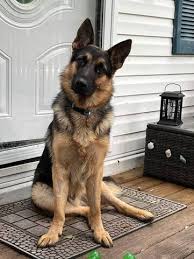
A highly energetic German Shepherd perfectly aced the first nine CGC steps but aggressively backed away when the evaluator reached for a soft bristle brush. The dog had previously suffered a painful nail-trimming incident at a busy groomer, completely shattering its trust in strange human hands. The owner had to spend three months carefully utilizing a heavy counter-conditioning protocol to completely rewire the dog’s fear.
The owner started by simply placing a brush on the floor and scattering high-value meat around it, entirely ignoring the tool. Slowly, the owner began gently touching the dog’s shoulder with the back of the brush, immediately feeding a massive treat reward. This painstakingly slow process eventually taught the German Shepherd that grooming tools equaled incredible paychecks, allowing them to finally pass the certification.
🐾 Snoutbit Pro-Tip: During the “Sit for Petting” evaluation, ask friends and family members to practice approaching the dog while wearing strange, bulky clothing. Large winter hats, dark sunglasses, and heavy backpacks heavily alter the human silhouette, teaching the dog to remain perfectly calm regardless of the stranger’s unusual physical appearance.
Why the CGC is the ultimate gateway to therapy work
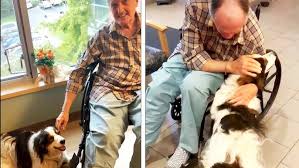
Earning the Canine Good Citizen title is far more than just a fancy ribbon to display on the living room refrigerator. It is universally recognized as the absolute gold standard and the mandatory prerequisite for almost all national therapy dog organizations. Facilities like children’s hospitals, crowded nursing homes, and loud elementary schools strictly require this certification before a dog is ever allowed to visit vulnerable populations.
The test proves the dog possesses the exact, rock-solid emotional stability required to handle the intense, highly unpredictable environments found in medical settings. Furthermore, many major homeowners insurance companies offer highly lucrative, discounted policy rates for households possessing a certified CGC dog. These massive corporate entities statistically recognize that a certified, well-mannered canine is significantly less likely to cause a devastating, multi-million dollar liability claim.
What To Do Next
- Locate a Certified Evaluator: Open a web browser today and visit the official American Kennel Club (AKC) website to access their public directory. Search for an approved CGC evaluator actively operating in the local zip code and immediately sign up for a structured, six-week preparatory group class.
- Begin the “Treat Fading” Protocol: Stop rewarding basic, highly known obedience commands with a physical food treat every single time. Start executing a variable reinforcement schedule immediately; ask the dog to sit three times in a row, but only hand out a piece of kibble on the third successful attempt to slowly break their heavy reliance on visual bribes.
Disclaimer: The content on Snoutbit.com is for informational and educational purposes only and is not intended to replace professional veterinary advice, diagnosis, or treatment. Always consult with your veterinarian before making significant changes to your dog’s diet, exercise routine, or health regimen.