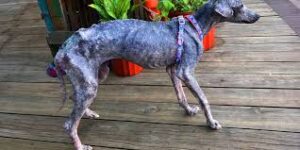
Waking up to the relentless thump-thump-thump of a dog’s hind leg violently hitting the floorboards creates massive owner exhaustion. Ignoring this frantic scratching guarantees the development of painful hot spots, massive hair loss, and incredibly expensive veterinary dermatology bills. The definitive solution requires looking far beyond a basic flea collar to identify the actual, invisible trigger causing the dog such intense physical misery.

Dogs scratch primarily due to atopic dermatitis (environmental allergies), undiagnosed food sensitivities, microscopic mites, or extreme psychological stress. The biggest takeaway for frustrated owners is that chronic itching is a systemic alarm bell, not a localized skin issue. Attempting to soothe the skin without dismantling the root internal cause guarantees a rapid, devastating relapse.
The Hidden Causes of Canine Itching: Overview Mind Map
- Core Biological Function: A physical response to histamines releasing in the bloodstream, triggering intense nerve-ending irritation.
- Primary Culprits: Flea saliva, seasonal tree pollen, hidden poultry intolerance, and systemic yeast infections.
- Behavioral Triggers: Displacement scratching caused by severe environmental anxiety or acute handler conflict.
- Dangerous Complications: Aggressive staph infections, bleeding hot spots, and permanent thickening of the dermal layer (lichenification).
The Flea Allergy Dermatitis Nightmare
Fleas are the most common assumption when a dog begins to scratch, but the severity of the biological reaction is often deeply misunderstood. Many dogs suffer from Flea Allergy Dermatitis (FAD), a highly severe hypersensitivity to the microscopic proteins found strictly in flea saliva. For a highly allergic dog, a single bite from a solitary flea triggers a massive, full-body allergic reaction that violently lasts for weeks.
Owners frequently scan the dog’s belly, see absolutely zero live bugs, and incorrectly assume fleas are not the problem. This false assumption delays vital preventative care and allows the agonizing itch-cycle to completely consume the dog’s daily life. Proper eradication requires aggressively treating the dog and completely sanitizing the entire home environment simultaneously.
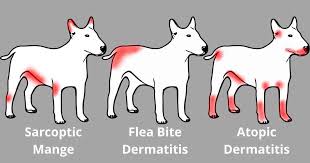
🚨 Vet Fact: A dog suffering from Flea Allergy Dermatitis will typically focus their most violent scratching and chewing directly at the base of the tail and the hindquarters. If the hair in this specific region is broken, stained brown from saliva, or completely missing, FAD is the absolute primary suspect.
Environmental Allergies and Atopic Dermatitis
Just like humans, canines develop severe allergic reactions to common environmental particles like ragweed, dust mites, and fresh spring pollen. However, dogs do not typically suffer from watery eyes and sneezing fits when seasonal allergies intensely strike. Instead, their bodies absorb these microscopic allergens directly through their skin and paws, triggering a massive histamine release that manifests as aggressive, full-body scratching.
Consider a young Golden Retriever living in Florida who spent every single evening furiously digging at its armpits and violently rubbing its face along the living room rug. The owners constantly bathed the dog in harsh medicated shampoos, entirely destroying the natural skin barrier and actively worsening the intense irritation. Once a veterinary dermatologist diagnosed the dog with a severe Bermuda grass allergy, simple post-walk paw wipes and a targeted cytopoint injection completely stopped the frantic scratching.
Advanced Insight 1: The Malassezia Yeast Cycle
Generic pet advice frequently labels all scratching as a basic allergy, completely ignoring the devastating secondary infections that secretly drive the urge to itch. Malassezia is a completely natural yeast organism that lives harmlessly on every single healthy dog’s skin. However, when a dog’s immune system drops or the skin barrier becomes slightly inflamed by pollen, this yeast aggressively multiplies into a severe fungal infection.
This massive yeast overgrowth produces a distinctly foul, musty odor frequently compared to old corn chips or damp socks. The yeast organisms actively dig into the dog’s hair follicles, causing an incredibly deep, burning itch that standard allergy medications cannot physically touch. Treating the allergy without utilizing antifungal protocols leaves the dog still desperately scratching at the yeast.
🐾 Snoutbit Pro-Tip: Inspect the dog’s nail beds and the deep crevices between their paw pads under a bright, direct light. If the skin is a rusty, angry red or covered in a greasy, rust-colored discharge, a severe yeast overgrowth is aggressively driving the constant scratching and paw-licking.
Advanced Insight 2: Displacement Scratching
Elite canine behaviorists heavily recognize that not all frantic scratching is rooted in a biological, dermatological medical condition. Dogs frequently utilize physical scratching as a complex psychological coping mechanism known strictly as a displacement behavior. When a dog is placed in a highly conflicting, deeply stressful situation, they perform an entirely unrelated physical action to actively self-soothe.
If an owner is aggressively scolding a sensitive rescue dog for chewing a shoe, the dog might suddenly sit down and violently scratch its neck. The dog is not suddenly experiencing a severe allergic reaction to the carpet fibers or a sudden flea bite. The animal is entirely overwhelmed by the human’s intense vocal pressure and is using the physical act of scratching to actively bleed off the spiking adrenaline.
Recognizing this specific behavioral context is absolutely crucial for proper canine management. It immediately prevents exhausted owners from wasting hundreds of dollars on completely unnecessary allergy testing or changing premium food brands.
Microscopic Mites and Hidden Parasites
When fleas are completely ruled out and expensive allergy medications fail, the true culprit is frequently entirely invisible to the naked human eye. Sarcoptic mange, commonly known as canine scabies, is a highly contagious parasitic mite that violently burrows deep beneath the top layer of the canine epidermis. The physical movement of these microscopic mites tunneling through the skin causes an unyielding, agonizing itch that literally drives dogs insane.
Take the tragic case of a stray Pitbull mix pulled directly from a crowded city shelter in Texas. The dog was completely bald on the ear margins and elbows, scratching so violently that the kennel walls were frequently smeared with blood. After multiple deep skin scrapings finally revealed the hidden Sarcoptic mites, a simple prescription dose of an isoxazoline-class parasiticide eradicated the infestation, allowing the dog to sleep peacefully.
🚨 Vet Fact: Sarcoptic mange is highly zoonotic, meaning it easily transmits directly from the infected dog to human family members sharing the same living space. If the dog is fiercely scratching and the human owners suddenly develop intensely itchy, red welts on their arms or waistlines, immediate medical intervention is strictly required for both species.
Advanced Insight 3: The Protein Threshold
The commercial pet food industry heavily relies on massive, mixed manufacturing lines, leading to intense cross-contamination inside generic kibble bags. Many owners confidently feed a basic “lamb and rice” formula, entirely unaware that the kibble is heavily coated in cheap chicken fat for added palatability. For a dog harboring a severe poultry intolerance, this microscopic trace of chicken protein instantly triggers systemic, massive gut inflammation.
This deep internal gut inflammation rapidly translates outward, manifesting as chronic ear infections, inflamed anal glands, and relentless, full-body scratching. Executing a true dietary elimination trial requires transitioning the dog to a strict, prescription-grade hydrolyzed protein diet for a strict minimum of eight weeks. If the violent scratching completely ceases on the sterile diet, the owner has successfully proven a massive food allergy is the exact root cause.
Finding the exact dietary trigger completely eliminates the need for lifelong, expensive allergy shots. It places the ultimate healing power directly into the owner’s control simply by managing the ingredients placed into the daily food bowl.
Immediate At-Home Relief Tactics
While awaiting a comprehensive veterinary dermatology appointment, owners must strictly manage the environment to prevent the dog from physically mutilating their own skin. Allowing a dog to continuously scratch an open hot spot rapidly introduces highly aggressive environmental bacteria, instantly turning a minor rash into a severe staph infection. Implementing simple physical barriers is the absolute best way to protect a fragile canine coat.

- The Inflatable Barrier: Use a soft, inflatable recovery collar to physically block the dog from turning around and reaching their flanks or hindquarters with their teeth.
- The Botanical Soak: Brew a strong pot of plain, organic chamomile tea, let it cool completely in the refrigerator, and use it as a highly soothing topical spray on bright red, inflamed bellies.
- The Physical Sweep: Wipe the dog’s entire body down with a hypoallergenic, unscented baby wipe the exact moment they return from a grassy outdoor walk to manually remove invisible pollen.
🐾 Snoutbit Pro-Tip: Never use human anti-itch creams containing hydrocortisone on a dog without explicit veterinary permission. Dogs will immediately lick the highly toxic cream off their skin, causing severe gastrointestinal distress and completely negating the topical relief.
What To Do Next
- Conduct a “White Towel” Flea Test: Stand the dog on a clean, bright white bathroom towel and aggressively ruffle the fur near the base of their tail. If tiny black specks fall onto the towel and turn a rusty red color when dabbed with a wet paper towel, the dog is actively shedding digested flea blood and requires immediate parasite control.
- Implement a Paw Sanitation Station: Place a shallow bucket of warm water and a highly absorbent microfiber towel directly next to the front door. Physically dunk and thoroughly dry all four of the dog’s paws every single time they re-enter the house to stop environmental allergens from being tracked onto the living room rugs.
Disclaimer: The content on Snoutbit.com is for informational and educational purposes only and is not intended to replace professional veterinary advice, diagnosis, or treatment. Always consult with your veterinarian before making significant changes to your dog’s diet, exercise routine, or health regimen.