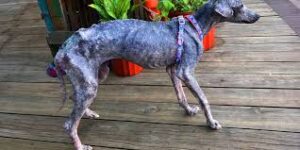
Hosting a quiet neighborhood dinner party is completely ruined the exact second the family dog securely latches onto a horrified guest’s leg. The sheer, sudden embarrassment causes owners to furiously yell or drag the dog into another room out of sheer panic. The constant apologizing and the anxiety of wondering if the dog is sexually frustrated creates massive, unnecessary household stress. The ultimate relief is realizing this deeply awkward behavior is highly predictable and almost entirely manageable once the root emotional triggers are properly identified.

The biggest takeaway is that canine humping is practically never about sexual desire or establishing household dominance. For the vast majority of spayed and neutered dogs, mounting is simply a physical release valve for extreme emotional overstimulation or severe anxiety. Identifying the exact environmental trigger causing this massive spike in biological arousal is the absolute key to permanently stopping the behavior before it starts.
Advanced Insight 1: The Total Collapse Of The Dominance Myth
Generations of outdated, highly toxic canine television shows convinced pet parents that a humping dog is actively trying to become the “alpha” of the household. This deeply flawed theory assumes dogs spend their entire waking lives meticulously plotting to overthrow human leadership. Modern veterinary behaviorists have completely and entirely debunked the dominance theory regarding canine mounting.
When a dog mounts a human leg, a stuffed animal, or another dog at the park, they are not asserting rank or demanding strict obedience. Viewing the behavior through the incorrect, aggressive lens of dominance leads owners to utilize harsh physical corrections and leash pops. Punishing a dog for humping actually suppresses their communication, massively increasing the exact anxiety that caused the humping in the first place.
🚨 Vet Fact: Mounting behavior is an entirely normal, completely natural part of the canine behavioral repertoire observed in both wild canids and domestic puppies. It only becomes a clinical behavioral issue when it mutates into an obsessive-compulsive habit that entirely disrupts the dog’s daily ability to rest or play normally.
Overarousal And The Adrenaline Spike
The absolute most common catalyst for frantic humping is acute, overwhelming environmental overarousal. When a dog experiences highly stimulating events, their nervous system becomes completely flooded with intense adrenaline that desperately needs an immediate physical outlet. If the dog lacks proper impulse control, that massive surge of frantic energy frequently manifests as obsessive mounting.
Consider the reality of an energetic Golden Retriever in Ohio who obsessively mounted the living room couch cushions every single evening right after dinner. The dog was absolutely not sexually frustrated; the household simply engaged in highly chaotic, loud wrestling games immediately following mealtime. The massive spike in excitement completely overwhelmed the young dog’s nervous system, forcing them to hump the couch just to physically bleed off the excess energy.
By simply swapping the loud evening wrestling for a calm, highly focused sniffing game with a food puzzle toy, the overarousal vanished entirely. The frantic evening couch mounting stopped completely within forty-eight hours without a single physical correction.
Play Initiation And Social Awkwardness
At the local public dog park, humping frequently serves as an incredibly clumsy, highly awkward invitation to initiate a game of chase. Young, poorly socialized adolescent dogs often lack the refined behavioral vocabulary to politely engage a new canine friend. Instead of offering a classic, polite “play bow,” they become entirely overwhelmed by the massive excitement and simply mount the nearest dog.
- The Social Cue Failure: The humping dog completely misses the subtle “back off” signals, like lip licking or freezing, from their highly frustrated target.
- The Frustration Loop: The target dog eventually snaps to protect their personal space, instantly causing a massive, highly dangerous scuffle.
- The Immediate Fix: Handlers must intervene instantly, utilizing a highly rewarded, firm recall to entirely break the dangerous social tension before teeth make contact.
🐾 Snoutbit Pro-Tip: Never allow a dog to continuously hump another animal at a public park, even if the other dog appears to politely tolerate it initially. It takes only a single microsecond for the tolerating dog to cross their emotional threshold, resulting in a severe, highly damaging bite directly to the mounting dog’s face.
Advanced Insight 2: The Displacement Behavior Phenomenon
Generic pet training advice completely misses the fascinating psychological concept of canine displacement behaviors. When a dog is trapped in a situation causing immense internal conflict or deep anxiety, they frequently perform a completely unrelated physical action to self-soothe. Humans do this constantly by aggressively biting their fingernails or pacing the floor during a highly stressful phone call.
For many highly anxious canines, humping is their exact biological version of biting their fingernails. If a dog deeply hates having their walking harness put on, they might suddenly start humping their own dog bed the second the leash appears. The dog is entirely conflicted—they desperately want to go outside, but they deeply fear the restrictive harness, creating a massive internal behavioral short-circuit.
Medical Triggers Frequently Ignored By Trainers
Before treating mounting strictly as a behavioral training issue, a massive veterinary audit is absolutely required to rule out hidden pain. Dogs frequently utilize the physical friction of humping to alleviate intense, agonizing physical discomfort in their hindquarters or genital region. Undiagnosed medical conditions are the silent, hidden culprit behind thousands of obsessive humping cases in adult dogs.
- Severe Urinary Tract Infections (UTIs): Causes a chronic, intensely burning sensation that the dog desperately tries to physically rub away.
- Impacted Anal Glands: Deeply infected glands cause extreme physical pressure, forcing the dog to hump or scoot to relieve the agony.
- Severe Dermal Allergies: Intense flea dermatitis or yeast infections explicitly targeting the sensitive groin area create uncontrollable itching.
If a previously calm, highly relaxed adult dog suddenly begins compulsively mounting pillows without any obvious environmental stressors, immediately schedule a comprehensive clinical exam.
🚨 Vet Fact: Neutering an adult male dog does not guarantee the immediate cessation of mounting behavior inside the house. While the surgery entirely removes the testosterone driving true sexual behavior, mounting is frequently a deeply ingrained, habitual stress response that will confidently continue long after the surgical incision heals.
Advanced Insight 3: The Flawless Redirection Protocol
Telling a dog “no” or shouting while they are actively humping rarely works because the physical act itself naturally releases highly calming endorphins. Elite behavioral consultants utilize a highly structured redirection protocol to permanently break the obsessive cycle before the dog ever makes contact. The exact instant the dog shows the very first warning sign of mounting, the handler immediately asks for a completely incompatible behavior.
Take the real-world case of a rescued French Bulldog in Texas that violently humped the legs of any visitor walking through the front door. The owner entirely stopped shouting and started keeping a dedicated pouch of high-value boiled chicken by the entrance. The exact second the doorbell rang, the owner commanded the dog to run to a designated “place” cot across the room, heavily rewarding the dog for remaining seated.
Because a dog physically cannot hump a human leg while securely sitting on a raised cot, the bad habit was entirely blocked. The dog quickly learned that sitting calmly on the mat earned premium meat, while attempting to hump simply resulted in the visitor completely ignoring them.
Female Dogs And The Mounting Myth
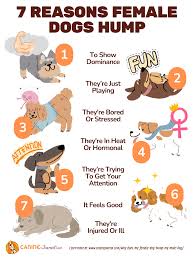
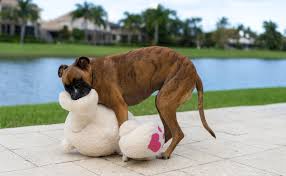
A massive, highly pervasive misconception exists across the pet industry that only intact male dogs engage in mounting behaviors. Female dogs, both completely intact and surgically spayed, frequently hump pillows, toys, and other dogs with exactly the same intensity as males. This completely shatters the outdated myth that the behavior is strictly driven by male sexual testosterone.
For female dogs, the behavior remains deeply rooted in exactly the same intense emotional triggers: severe overarousal, clumsy play initiation, or profound environmental anxiety. Addressing a female dog’s humping habit requires exactly the same strict environmental management and reward-based counter-conditioning protocols utilized for male dogs. Assuming a female dog is immune to this behavior prevents owners from securing the proper behavioral help they desperately need.
🐾 Snoutbit Pro-Tip: Keep a dedicated “interruption toy” like a highly squeaky ball or a heavy tug rope readily accessible in the main living room. The exact second the dog gets a glazed look and actively targets a pillow, squeak the toy loudly to instantly break their trance and smoothly redirect the excess energy into an appropriate game of fetch.
What To Do Next
- Execute a Strict Trigger Audit Today: Keep a physical notepad on the living room coffee table and meticulously write down exactly what happens in the room right before the humping begins. Identifying the precise environmental catalyst, whether it is the doorbell ringing or children playing loudly, is the absolute only way to predict and safely stop the behavior before it starts.
- Teach the “Touch” Command: Spend ten minutes tonight teaching the dog to actively bump their wet nose against a flat human palm for a high-value meat reward. This provides an incredible, highly reliable instant redirection tool to completely physically reposition the dog the exact second they attempt to aggressively mount a guest’s leg.
Disclaimer: The content on Snoutbit.com is for informational and educational purposes only and is not intended to replace professional veterinary advice, diagnosis, or treatment. Always consult with your veterinarian before making significant changes to your dog’s diet, exercise routine, or health regimen.