Finding tumbleweeds of dog hair constantly drifting across the living room floor is an endlessly frustrating battle for pet parents. Chasing a terrified, brush-phobic dog around the house with a metal comb only creates a massive spike in household anxiety and completely ruins the human-canine bond. The ultimate, stress-free solution is swapping terrifying metal tools for a flexible, silicone-tipped pet grooming glove.
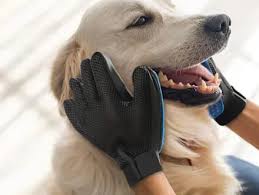
Grooming gloves absolutely work by utilizing static electricity and hundreds of soft silicone nodules to trap loose topcoat hair. The biggest takeaway for frustrated owners is that these gloves disguise the grooming process entirely, tricking the dog into thinking they are simply receiving a deep, relaxing massage. This simple tool drastically reduces environmental shedding while actively lowering the dog’s baseline cortisol levels during grooming sessions.
Why do dogs hate traditional grooming brushes?
Many dogs exhibit violent fear responses the moment a grooming tool is pulled out of the closet. This panic is rarely driven by stubbornness; it is a direct result of hidden, agonizing physical pain. Hard metal slicker brushes easily scrape against the delicate canine epidermis, causing microscopic scratches known clinically as brush burn.
Dogs possess a highly sensitive network of nerve endings directly beneath their hair follicles. Scraping rigid metal teeth across a bony joint, like the hip or the shoulder blade, sends immediate, jarring pain signals to the canine brain. The dog quickly associates the visual sight of the brush with impending physical discomfort, triggering an immediate “fight or flight” escape response.
🚨 Vet Fact: Canine skin is significantly thinner and vastly more sensitive than human skin. Using inappropriate, harsh metal grooming tools aggressively damages the natural epidermal lipid barrier, leading directly to localized bacterial skin infections and intense, chronic itching.
How do grooming gloves calm anxious and rescue dogs?
Rescue dogs frequently arrive from shelters with intense tactile sensitivities and deeply ingrained trauma surrounding forced physical restraint. Forcing a terrified rescue into a grooming tub and raking a comb over their matted coat heavily reinforces their profound distrust of human hands. Grooming gloves offer a brilliant, purely psychological workaround that entirely sidesteps this behavioral trigger.
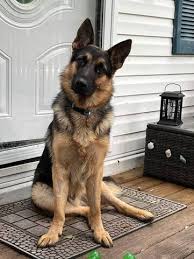
Consider a highly reactive German Shepherd mix adopted by a family in Ohio. The dog would aggressively snap at the air whenever a standard brush touched its hindquarters due to severe past physical abuse. The owners switched to a fabric grooming glove, hiding the tool perfectly within the palm of the hand.
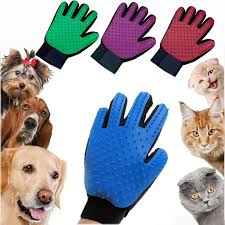
By simply sitting on the floor and gently stroking the dog’s back with the gloved hand, the dog leaned deeply into the firm pressure. The silicone tips removed massive amounts of dead undercoat without triggering a single fearful reaction. The dog learned to actively seek out grooming sessions because the terrifying visual trigger of a plastic-handled brush was completely eliminated.
What coat types benefit most from deshedding gloves?
While heavily marketed toward all breeds, grooming gloves shine exceptionally bright when used on short-haired, single-coated dogs. Breeds like French Bulldogs, Boxers, and Pugs have absolutely zero protective undercoat to shield their skin from harsh grooming tools. The flexible, soft silicone nodules on a glove easily glide over their muscular, bony frames without causing a single scratch.
A Frenchie owner in Florida constantly battled tiny, coarse hairs embedding themselves like sharp needles into the fabric of the living room couch. Standard brushes just slid uselessly over the dog’s incredibly short, sleek coat without grabbing the dead fur. Once the owner transitioned to a rubber grooming glove, the silicone actively gripped the coarse hairs, pulling them effortlessly from the coat and leaving the dog looking brilliantly shiny.
Can you use a grooming glove on a double-coated breed?
Owners of heavy, double-coated breeds like Golden Retrievers or Siberian Huskies must clearly understand the mechanical limitations of a glove. A soft silicone glove cannot physically penetrate deep enough through a dense, wooly undercoat to break up severe mats or entirely prevent seasonal coat blowing. For these massive shedding events, a dedicated metal undercoat rake remains absolutely mandatory.
However, the glove serves as the perfect finishing tool for these incredibly fluffy breeds. After the heavy undercoat is successfully raked out, running the glove over the topcoat grabs all the loose, floating hairs that the metal rake missed. This guarantees the dead fur ends up in the trash can rather than floating directly into the kitchen dinner plates.
🐾 Snoutbit Pro-Tip: Spray the grooming glove with a tiny mist of dog-safe detangling spray or plain water before starting a session. The added moisture completely eliminates static flyaways and acts like a powerful magnet, pulling significantly more loose dander out of the dog’s coat.
What are advanced secrets for maximizing pet grooming gloves?
Generic pet advice often stops at simply putting the glove on and petting the dog on the back. Elite canine handlers utilize highly specific, advanced techniques to drastically elevate the grooming results. Implementing these three expert-level strategies maximizes the tool’s effectiveness across multiple household applications.
- The Reverse-Direction Static Hack: For incredibly short, slick-coated dogs like Dobermans, simply petting with the grain of the hair yields minimal results. Gently rub the gloved hand rapidly in small circles or strictly against the natural grain of the coat. This specific mechanical friction actively builds static electricity, pulling microscopic dead hairs directly to the surface before smoothing them back down for collection.
- The Deep-Tissue Shampoo Lather: Grooming gloves are not just dry-brushing tools; they are the ultimate secret weapon for canine bath time. Wearing the glove while applying canine shampoo forces the soap suds completely through the dense, water-resistant topcoat directly to the skin level. The silicone tips aggressively scrub away embedded yard dirt and trapped yeast, entirely replacing the need for an expensive plastic bath brush.
- The Furniture and Carpet Sweep: The grippy nature of the silicone nodules works flawlessly on household upholstery. Once the dog is fully groomed, run the completely dry glove aggressively over the velvet couch cushions or the carpeted stairs. The rubber creates massive friction, effortlessly rolling embedded pet hair into large, easily removable clumps that standard vacuum cleaners completely miss.
Why is daily grooming essential for canine health?
Routine brushing is not just about keeping the living room rug clean; it is a critical, highly functional aspect of preventative veterinary medicine. A dog’s skin naturally produces protective oils that keep the hair follicles deeply hydrated and fiercely resilient against environmental allergens. Without mechanical brushing, these oils pool heavily at the base of the skin, causing a foul, musty odor and greasy fur.
The gentle massaging action of the silicone nodules actively stimulates the hair follicles and heavily promotes healthy blood circulation directly beneath the skin. This physical friction evenly distributes the natural sebum oils down the entire length of the hair shaft. The result is a brilliantly shiny, waterproof coat that naturally repels mud and harsh yard chemicals.
🚨 Vet Fact: Daily, hands-on grooming provides the absolute best opportunity to conduct a rapid, full-body physical exam. Running a thin, flexible glove over the dog’s body makes it incredibly easy to detect hidden, dangerous lumps, painful hot spots, or embedded ticks before they escalate into severe medical emergencies.
How do you clean and maintain a silicone pet glove?
A filthy grooming tool actively introduces aggressive bacteria and harsh environmental allergens right back onto the dog’s freshly cleaned skin. Maintaining the integrity of the grooming glove is crucial for long-term dermatological health and preventing foul household odors. Fortunately, the silicone construction makes the sanitization process incredibly rapid and entirely foolproof.
Never throw a heavily soiled grooming glove directly into a hot washing machine or a high-heat tumble dryer. The extreme, sustained heat will permanently warp the delicate silicone nodules and completely melt the internal fabric lining. The glove will entirely lose its structural integrity and fail to grip the dog’s hair effectively during the next session.
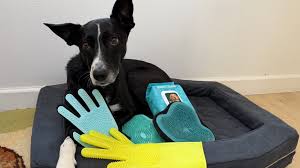
Simply wash the glove by hand in the kitchen sink using warm water and a few drops of antibacterial dish soap. Vigorously rub the silicone palm to break down the heavy buildup of greasy canine body oils and trapped skin dander. Allow the glove to air-dry completely in a well-ventilated space to entirely prevent the growth of hazardous, foul-smelling black mold inside the fabric mesh.
🐾 Snoutbit Pro-Tip: Do not attempt to pick individual hairs off the glove during the grooming session. Wait until the silicone palm is completely coated in a thick, dense layer of fur before peeling; the hair will bind together and lift off the glove in one single, highly satisfying sheet.
What To Do Next
- Conduct a Brush Audit Today: Open the dog supplies bin right now and firmly run every slicker brush or metal comb directly across the sensitive skin of the inner human forearm. If the metal teeth cause sharp discomfort or leave immediate red scratches, throw the tool in the trash to prevent inflicting that exact same pain on the dog.
- Execute the Touch-Free Desensitization Drill: Before ever using a new grooming glove to actually remove hair, simply wear it around the house for ten minutes while dispensing high-value treats. Let the dog thoroughly sniff the glove and associate the new fabric smell entirely with positive rewards, ensuring the very first physical grooming session starts with a completely relaxed, eager canine.
Disclaimer: The content on Snoutbit.com is for informational and educational purposes only and is not intended to replace professional veterinary advice, diagnosis, or treatment. Always consult with your veterinarian before making significant changes to your dog’s diet, exercise routine, or health regimen.