The foul, fishy odor drifting from a panting dog is impossible to ignore during a cozy movie night. Brushing canine teeth feels like wrestling an alligator, leading exhausted owners to heavily rely on store-bought dental chews to scrub away the plaque. Unfortunately, relying on a daily green stick to prevent periodontal disease often leads to massive veterinary dental bills.

The absolute biggest takeaway is that 90% of commercial dog dental chews are simply highly processed, high-calorie treats that do absolutely nothing to remove hardened tartar. To genuinely protect a dog’s teeth, owners must strictly look for the VOHC (Veterinary Oral Health Council) seal of approval on the packaging. Absolutely no edible chew can ever fully replace the mechanical friction of daily brushing with an enzymatic gel.
To instantly clarify the complex world of canine oral health, here is a quick overview mind map.
🦷 Overview Mind Map: The Dental Chew Matrix
- The Golden Standard: The VOHC Seal of Acceptance (proven to reduce plaque and tartar).
- The Hardness Rule: If a fingernail cannot dent the chew, it will shatter a dog’s tooth.
- The Caloric Trap: Daily chews frequently push dogs into dangerous obesity territory.
- The Mechanical Reality: Chews only clean the tips of the teeth, entirely missing the critical gumline where disease starts.
🚨 Vet Fact: By age three, approximately 80% of dogs suffer from some form of active periodontal disease. This chronic infection does not just cause bad breath; the bacteria actively enter the bloodstream, causing irreversible damage to the dog’s heart, liver, and kidneys over time.
Advanced Insight #1: The VOHC Seal vs. Marketing Fluff
Walking down the pet store aisle reveals thousands of bags brightly labeled “Veterinarian Recommended” or “Plaque Fighting Formula.” These phrases are completely unregulated marketing fluff designed to boost sales. Without independent clinical testing, a company can legally claim a standard biscuit cleans teeth simply because the dog has to crunch it.
The only true marker of a functional dental chew is the VOHC Seal of Acceptance. The Veterinary Oral Health Council is an independent group of board-certified veterinary dentists. They require companies to submit rigorous, double-blind clinical trials proving the product actively reduces plaque and tartar buildup safely.
If the VOHC seal is completely missing from the back of the bag, the chew is just a high-calorie snack. Purchasing unverified products is essentially throwing money away while a dog’s dental disease silently worsens.
The Slab Fracture Nightmare
Many owners assume that dogs, descending from wolves, are biologically equipped to chew on rock-hard items. This massive misconception drives the massive popularity of elk antlers, nylon bones, and dense hooves. A dog’s jaw muscles are incredibly powerful, but their tooth enamel is surprisingly brittle.
Consider a young Golden Retriever living in the US Midwest. To keep the energetic dog occupied, the owners frequently offered thick, natural deer antlers sold at the local boutique. One evening, a loud, sharp crack echoed through the living room.
The Golden Retriever had suffered a severe “slab fracture,” shearing the entire side off the upper carnassial tooth. The hard antler did not clean the tooth; it completely shattered it, exposing the highly sensitive pulp. This required a highly painful and wildly expensive surgical extraction.
🐾 Snoutbit Pro-Tip: Always perform the “Kneecap Test” before handing a dog any chew. If hitting the chew firmly against a human kneecap hurts the bone, it is entirely too hard and will inevitably fracture the dog’s teeth.
Advanced Insight #2: The Hidden Caloric Density Trap
Commercial dental chews are engineered to be highly palatable so dogs will eagerly accept them daily. To achieve this irresistible flavor, manufacturers load the chews with hidden fats, starches, and heavy caloric binders. Feeding a large dental stick every single morning adds a massive caloric burden to the dog’s daily intake.
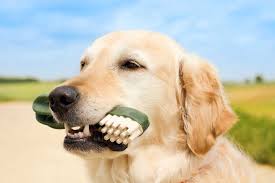
Generic pet health guides often skip over this nutritional reality. For a small breed like a French Bulldog, a single standard dental chew can easily account for 25% of their total required daily calories. If owners fail to reduce the dog’s evening kibble portion to compensate, extreme weight gain happens rapidly.
Canine obesity puts immense, life-shortening pressure on delicate joints and organs. Always check the exact calorie count printed in tiny font on the back of the dental chew bag. Adjust the dog’s daily meal portions precisely to avoid trading a clean mouth for a dangerous obesity diagnosis.
The Choking and Blockage Hazard
The physical design of popular star-shaped or toothbrush-shaped chews presents a secondary, highly terrifying risk. Aggressive chewers do not gnaw on these treats patiently. They break them into large, jagged chunks and swallow them entirely whole.
These dense, processed chunks do not dissolve rapidly in the stomach. A frantic French Bulldog in Florida successfully chewed the top half off a green dental stick before swallowing the thick, rigid base entirely intact. The base became completely wedged in the dog’s esophagus.
The owner had to perform immediate emergency maneuvers before rushing the gasping dog to a critical care clinic for endoscopic removal. Dental chews are never meant to be consumed whole. Strict, unwavering supervision is absolutely mandatory every single time a chew is offered.
🚨 Vet Fact: The mechanical action of chewing naturally stimulates saliva production, which contains powerful antibacterial properties. This heavy saliva flow is actually doing the heavy lifting in preventing plaque, not the specific ingredients baked into the generic treats themselves.
Advanced Insight #3: The Gumline Reality
A massive misunderstanding exists regarding exactly how chews scrub the teeth. When a dog bites down on a pliable, VOHC-approved chew, the material wipes against the crown (the visible white tip) of the tooth. However, periodontal disease does not originate on the tip of the tooth.
Dangerous plaque and tartar actively colonize directly along and underneath the gumline. No edible chew in the world is physically capable of wrapping around the base of the tooth and sweeping beneath the gums. This means chews offer a false sense of absolute security.
They keep the tips of the teeth sparkling white while severe rot silently destroys the root underneath the gums. This is why daily brushing with a soft-bristled canine toothbrush is entirely non-negotiable. The brush bristles are the only tool capable of physically sweeping bacteria out from under the delicate gum tissue.
The Chemistry of Plaque and Calculus
Plaque is a soft, sticky biofilm that forms constantly on the teeth after meals. If this soft film is not physically scrubbed away within 48 hours, it permanently mineralizes into hardened tartar, also known as calculus. Once calculus forms along the gumline, no dental chew in the world is strong enough to scrape it off safely.
At this advanced stage, trying to forcefully scrape the tartar off at home will only damage the enamel and injure the gums. Only a professional veterinary scaling under general anesthesia can safely reset the dog’s oral health. Preventing the soft plaque from turning into hardened calculus is the sole objective of daily home care.
Safe Alternatives to Dangerous Chews
Protecting a dog’s mouth requires pivoting away from marketing gimmicks and focusing on clinically safe alternatives. Abandoning rock-hard bones and sugary sticks immediately protects the dog from fractures and obesity.
- Daily Enzymatic Toothpaste: The absolute gold standard. Canine-specific toothpaste contains live enzymes that actively dissolve the sticky plaque matrix overnight.
- Water Additives: VOHC-approved water additives act like a daily mouthwash, safely altering the pH of the dog’s saliva to prevent tartar hardening.
- Raw Carrots: A fantastic, low-calorie alternative for heavy chewers. Frozen whole carrots offer safe mechanical abrasion without the massive spike in daily calories.
Rethinking the Chewing Habit
Dogs biologically require chewing to relieve stress and lower their baseline cortisol levels. Instead of relying on edible dental sticks that vanish in five minutes, utilize safe, reusable environmental enrichment tools.
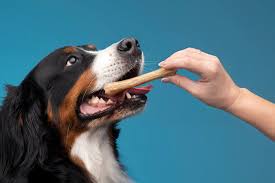
Heavy-duty rubber toys stuffed with plain, non-fat Greek yogurt and frozen solid provide hours of safe, low-calorie chewing. The freezing process soothes inflamed gums, while the rubber completely yields to the dog’s bite, entirely preventing slab fractures.
If a dog heavily resists tooth brushing, wrap a small piece of gauze around the index finger, dip it in enzymatic gel, and simply wipe the outside of the teeth quickly. Creating positive associations with mouth handling is much more effective than forcing a plastic brush into a terrified dog’s jaws.
🐾 Snoutbit Pro-Tip: Never use human toothpaste on a dog. Human formulas contain heavy foaming detergents and high levels of fluoride, which are highly toxic to dogs because they cannot spit the paste out after brushing.
What To Do Next
- Audit the Treat Bin: Check the packaging of any dental chews currently in the pantry today. If the specific “VOHC Accepted” seal is entirely missing, throw the remaining chews away and replace them with a clinically proven brand.
- Perform the Fingernail Test: Gather all the dog’s current bones, antlers, and nylon chew toys. Press a fingernail firmly into the surface of each one; if it leaves zero indentation, immediately discard it to prevent a catastrophic tooth fracture.
Disclaimer: The content on Snoutbit.com is for informational and educational purposes only and is not intended to replace professional veterinary advice, diagnosis, or treatment. Always consult with your veterinarian before making significant changes to your dog’s diet, exercise routine, or health regimen.