Watching a beloved senior dog struggle to stand up after a long nap is absolutely heartbreaking. The stiffness, the slight limp, and the hesitation before walking are clear signs of joint distress that owners desperately want to fix. Cheap, fluffy pet store beds feel incredibly soft to human hands but quickly flatten under a dog’s weight, leaving their fragile hips and elbows grinding against hard floors.
The ultimate solution is upgrading to a genuine orthopedic dog bed. A medical-grade memory foam base physically suspends the dog’s joints above the floor, drastically reducing morning stiffness and slowing long-term cartilage degradation. Providing the correct structural support is the fastest way to return a spring to an aging dog’s step.
What exactly makes a dog bed orthopedic?
The pet industry is largely unregulated, meaning any manufacturer can slap the word “orthopedic” onto a product. Most commercially available beds are simply stuffed with loose polyfill or shredded cedar. While these materials look incredibly plush on the outside, they offer absolutely zero structural resistance when a dog lies down.
A true orthopedic bed is defined entirely by the quality of its mattress core. It must contain a solid, unbroken slab of high-density memory foam. This specialized foam reacts to body heat and weight, contouring perfectly to the dog’s unique anatomy while pushing back against their mass to prevent floor contact.
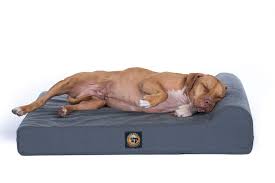
Consider a senior Golden Retriever living in a snowy Chicago apartment. This dog developed thick, bleeding elbow calluses from constantly bottoming out on a cheap polyfill pillow. Switching to a five-inch solid memory foam base entirely eliminated the floor contact, allowing the calluses to heal and giving the dog the confidence to move freely again.
🚨 Vet Fact: Cartilage does not have its own blood supply. It relies entirely on movement to absorb nutrients, meaning a dog that is too stiff to walk in the morning is actively accelerating their own joint decay.
Do young dogs really need orthopedic support?
Many owners assume structured beds are exclusively for geriatric pets or dogs actively recovering from surgery. This is a dangerous misconception that ignores the realities of canine biology. Prevention is always significantly cheaper and far less painful than attempting to manage arthritis after it has fully developed.
High-energy, muscular breeds put immense daily strain on their ligaments and joints. A heavy-chested Frenchie or a robust American Staffordshire Terrier carries disproportionate weight on their front limbs. Providing them with a supportive sleeping surface from puppyhood drastically reduces the micro-traumas that eventually lead to osteoarthritis later in life.
How do US winters and Australian summers affect joint health?
Environmental temperature directly impacts how a dog’s musculoskeletal system functions. In colder US climates, freezing winter drafts sweep across the floor where dogs sleep. This extreme cold causes muscles to tense up and joint fluid to thicken, resulting in severe morning pain.
Conversely, the sweltering heat of an Australian summer presents a completely different challenge for pet owners. A thick, heat-retaining foam bed will quickly cause a restless Blue Heeler to abandon the bed entirely in favor of cooling off on the hard, punishing tile floor. In hot climates, an orthopedic bed must feature a cooling gel-infused top layer or a breathable, heat-dissipating cover to ensure the dog actually uses it.
What are the hidden signs a dog needs a new bed?
Dogs are stoic creatures that instinctively hide their pain, meaning owners must look for subtle behavioral clues. If a dog refuses to settle at night and constantly paces between different rooms, they are likely struggling to find a sleep position that does not hurt.
- Excessive Licking: Dogs will obsessively lick their carpal (wrist) joints or knees to self-soothe the deep, aching pain caused by poor sleep support.
- The “Heavy Drop”: A dog that slowly circles and then suddenly drops their entire body weight with a heavy thud is avoiding the pain of a slow, controlled descent.
- Visible Calluses: Hair loss and thick, gray skin patches on the elbows are undeniable proof that the current bed is failing to protect them from the hard floor.
🐾 Snoutbit Pro-Tip: Run a hand firmly over the dog’s current bed, pressing down toward the floor. If the floor can be easily felt through the padding, the bed is completely useless for joint support.
What are the biggest lies about orthopedic foam?
The most common deception in pet retail is the widespread use of “egg-crate” foam. Manufacturers love egg-crate foam because it looks highly technical and is incredibly cheap to produce. However, because half of the foam is missing to create the egg-carton shape, it disperses canine body weight terribly.
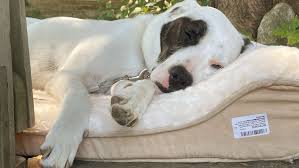
Advanced Insight 1: The “Knuckle PSI Test.” A dog’s elbow is a tiny surface area carrying a massive amount of weight, creating intense pressure per square inch (PSI). When evaluating a bed, punch a fist straight down into the foam. If the knuckles easily touch the hard ground underneath, it will fail to support a large breed dog.
Advanced Insight 2: Beware the “Shredded Blend.” Many brands advertise “memory foam,” but the fine print reveals it is actually shredded memory foam chunks mixed with cheap cotton. These chunks inevitably separate and push out to the sides, creating a massive, unsupported crater right in the center where the dog needs protection the most.
How thick should a memory foam dog bed be?
Bed thickness must correlate directly with the dog’s total body weight. A tiny Yorkie will simply bounce off a highly rigid, seven-inch foam slab because they lack the mass to activate the foam’s contouring properties. For toy breeds, a softer, three-inch memory foam profile is usually ideal.
For medium-to-large dogs weighing between fifty and ninety pounds, a minimum of four to five inches of solid foam is strictly required. Giant breeds, such as Great Danes or Mastiffs, need specialized, dual-layer beds featuring up to seven inches of foam. These giant breed beds usually feature a dense support base topped with a softer contouring layer.
Take the case of a young working Kelpie on a rural Queensland property recovering from a minor cruciate ligament strain. The veterinarian mandated strict rest, but a fluffy donut bed provided zero physical stability, causing the dog’s leg to awkwardly twist every time they stood up. Inserting a firm, solid orthopedic mattress into the crate gave the dog a stable, reliable surface to push off from, preventing devastating re-injury.
🚨 Vet Fact: A dog spends an average of 12 to 14 hours a day sleeping. The physical quality of their resting environment is just as critical to their longevity as premium nutrition and daily exercise.
Are bolster beds better for dogs with anxiety?
Bolsters are the raised, pillow-like edges surrounding the sleeping surface of many pet beds. Beyond providing a cozy aesthetic, these raised edges serve an incredibly important anatomical function. Dogs love to rest their heads on elevated surfaces to keep their spine aligned with their neck while sleeping.
For brachycephalic (flat-faced) breeds like Frenchies or Pugs, a bolster is basically mandatory health equipment. Elevating the head slightly opens up their restricted airways, dramatically reducing loud snoring and dangerous sleep apnea episodes.
Furthermore, bolsters provide a distinct sense of psychological security for nervous rescue dogs. The raised sides create a physical boundary that mimics a den, effectively blocking visual triggers from the room. This secure physical perimeter helps an anxious dog fully deactivate their “fight or flight” response and achieve deep REM sleep.
How to choose the right bed for heavy chewers and outdoor environments?
The highest quality foam in the world is useless if the cover is easily destroyed or impossible to keep clean. Young puppies or anxious chewers require beds housed in heavy-duty, ripstop canvas or ballistic nylon. These tightly woven materials resist canine teeth and digging claws perfectly.
In regions prone to severe parasites, like the heavy tick seasons found along the Australian east coast, bed hygiene becomes a critical health issue. A dark, fuzzy, shag-style cover easily hides engorged ticks and flea dirt. Owners in these climates should opt for smooth, lighter-colored, tightly woven covers that easily reveal uninvited crawling guests.
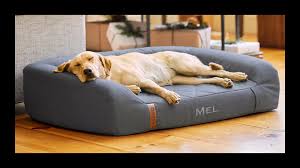
Advanced Insight 3: The Thermal Viscosity Connection. Joint fluid (synovial fluid) acts exactly like engine oil inside a car. In cold temperatures, the fluid thickens and fails to lubricate the joint efficiently, causing bone-on-bone friction. A premium orthopedic bed features a thermally reflective liner that traps the dog’s ambient body heat, keeping the internal joint fluid warm and viscous throughout the coldest nights.
🐾 Snoutbit Pro-Tip: Never buy a dog bed that cannot be completely unzipped. The cover must be fully removable and machine washable, and the internal foam must be protected by a secondary waterproof encasement to guard against urine or vomit accidents.
What To Do Next
- Conduct the “Floor Test” Tonight: Walk over to the dog’s primary sleeping spot and push a fist firmly down into the center of the bed. If the hard floor can be felt immediately, throw the bed away and begin shopping for a solid memory foam replacement today.
- Audit the Dog’s Morning Routine: Tomorrow morning, quietly watch the dog stand up after their longest sleep cycle. If they stretch excessively, limp for the first few steps, or hesitate to jump off the sofa, schedule a veterinary check-up and upgrade their sleep surface immediately.
Disclaimer: The content on Snoutbit.com is for informational and educational purposes only and is not intended to replace professional veterinary advice, diagnosis, or treatment. Always consult with your veterinarian before making significant changes to your dog’s diet, exercise routine, or health regimen.