Planning a sunny coastal getaway with a loyal companion sounds like absolute perfection. However, that picturesque afternoon quickly morphs into a terrifying emergency clinic visit when hidden marine hazards strike. The absolute biggest takeaway is never relying solely on a beach towel and a spare leash. Executing a strict check list for dogs before a beach trip requires prioritizing heavy-duty paw protection, packing smooth rubber toys to prevent fatal sand impaction, and enforcing a rigid freshwater rationing schedule to completely eliminate the threat of deadly salt toxicity.
What Should Be On A Check List For Dogs Before A Beach Trip?
Preparation dictates the entire success of a coastal excursion. Fumbling through a messy tote bag while a high-drive Blue Heeler frantically pulls toward the crashing waves is incredibly dangerous. Organizing gear systematically prevents overlooking the most critical, life-saving items.
Every dedicated handler must pack these non-negotiable essentials:
- Two gallons of chilled, fresh tap water strictly designated for the dog.
- A marine-grade, heavy-duty paw wax to physically shield sensitive foot pads.
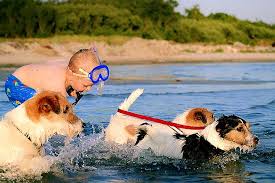
- A brightly colored, highly buoyant canine life jacket with a reinforced rescue handle.
- Multiple smooth, non-porous rubber fetch toys that easily repel wet sand.
🐾 Snoutbit Pro-Tip: Freeze a large, durable water bowl solid the night before the excursion. The ice will slowly melt under the blazing sun, guaranteeing the dog has continuous access to ice-cold hydration without the water boiling in the afternoon heat.
Can Dogs Get Sick From Drinking Ocean Water?
Allowing a dog to casually lap up crashing waves is a recipe for absolute disaster. The canine kidney simply cannot filter massive amounts of sodium quickly enough, leading directly to a terrifying condition known as hypernatremia. This acute salt poisoning rapidly pulls essential fluids directly out of the brain, causing violent tremors and severe neurological collapse.
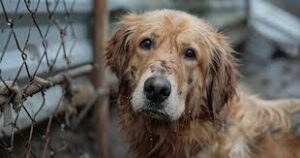
A classic scenario involved a water-obsessed Golden Retriever playing continuously in the surf along the humid Florida coast. The dog accidentally swallowed massive gulps of seawater while aggressively fetching a floating stick. Within exactly two hours, the retriever experienced explosive, liquid diarrhea and collapsed, requiring three days of intense intravenous fluid therapy to survive the massive sodium spike.
Preventing this nightmare requires aggressive, mandatory hydration breaks. Every fifteen minutes, forcefully recall the dog away from the ocean and offer a bowl of fresh, clean water. Filling their stomach with safe tap water actively suppresses the biological urge to drink from the salty ocean.
How Do You Protect Canine Paws From Hot Sand?
Checking the local air temperature report is incredibly deceiving when planning a midday beach run. Granular sand aggressively absorbs and radiates intense solar radiation, frequently reaching surface temperatures exceeding 130 degrees Fahrenheit on a seemingly mild sunny afternoon. This extreme ground heat actively cooks a dog from the bottom up, instantly blistering their fragile paw pads.
Always utilize the “Seven-Second Rule” before stepping onto the dry dunes. Press the back of a bare human hand firmly against the deep, dry sand. If it is too painful to hold there for seven full seconds, it will instantly burn a dog’s sensitive footpads.
🚨 Vet Fact: The canine epidermis is incredibly thin, and paw pads require weeks to properly callous. Applying a thick layer of veterinary-approved, beeswax-based paw balm creates a heavy, physical barrier that actively repels burning sand and sharp, broken seashells.
Why Are Tennis Balls Dangerous At The Beach?
Here is a highly advanced, frequently overlooked insight regarding coastal play that saves canine lives. Tossing a standard, fuzzy tennis ball into the wet surf transforms a fun toy into a deadly weapon. The wet felt acts like industrial velcro, picking up thousands of abrasive sand granules every single time it hits the beach.
When an energetic Australian Kelpie clamps down on that sandy tennis ball, they involuntarily swallow massive amounts of wet sand. This heavy sand sinks directly to the bottom of the stomach and intestines, rapidly cementing together to form an impenetrable, rock-solid blockage. This specific condition, known as sand impaction, is completely fatal without immediate, highly invasive abdominal surgery.
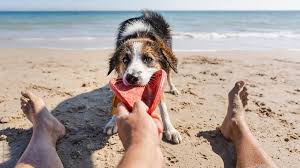
Ditch the fuzzy tennis balls entirely and upgrade to smooth, aerodynamic rubber bumpers. These marine-specific toys easily rinse clean in the ocean water, entirely preventing the dog from accidentally ingesting hazardous, heavy beach sand.
How Does Coastal Weather Affect Different Breeds?
Local environmental extremes act as massive, hidden multipliers for psychological distress and physical fatigue in companion animals. During the brutal, sweltering heat of an Australian outback summer, a coastal breeze feels refreshing to humans but fails to lower a dog’s core temperature. Heavy-coated breeds trap radiant heat entirely against their skin, accelerating the rapid onset of a thermal emergency.
Conversely, flat-faced companions like Frenchies and English Staffies face a completely different, highly lethal environmental threat. Their severely compressed upper airways make effective panting biologically impossible, especially when combined with intense physical exertion in deep, shifting sand. These robust companions can suffer catastrophic heat exhaustion simply by walking across the dunes on a humid August afternoon.
Providing an elevated, breathable cot placed entirely underneath a heavy UV-blocking beach tent is an absolute requirement. This creates a deeply shaded, perfectly cool micro-climate that allows the canine body to safely lower its heart rate away from the blazing sun.
🐾 Snoutbit Pro-Tip: Never pack standard fabric towels for a beach trip, as they trap heat and wet sand aggressively. Invest in high-quality, microfiber cooling towels that activate with a quick snap, providing instant, ice-cold relief when draped over a panting dog’s heavy chest.
Do Dogs Need Sunscreen At The Beach?
Assuming a thick coat of fur completely protects a dog from severe ultraviolet radiation is a highly dangerous myth. Dogs with thin, white coats, lightly pigmented noses, or hairless abdomens are incredibly susceptible to agonizing sunburns and subsequent dermal melanomas. Areas like the bridge of the nose, the tips of the ears, and the exposed belly require meticulous, preventative care.
Never apply generic human sunscreen to a canine companion. Human formulas are heavily loaded with zinc oxide and harsh salicylates, which are highly toxic if the dog decides to aggressively lick the lotion off their skin. Always utilize a specialized, FDA-compliant canine sunblock, applying a thick layer exactly twenty minutes before leaving the air-conditioned car.
What Are The Hidden Dangers Of Coastal Tick Seasons?
Heavy coastal tick seasons frequently expose energetic dogs to severe, debilitating vector-borne diseases when exploring entirely new environments. The lush, tall sea grass growing aggressively along the sandy dunes acts as the perfect hiding spot for heavily infected parasites. Taking a robust Staffy on a highly anticipated coastal camping trip introduces them to aggressive paralysis ticks they rarely encounter at home.
A family recently enjoyed a beautiful weekend exploring the secluded, grassy dunes along the coast. Three days later, their healthy dog suddenly lost complete function of its back legs due to a single, hidden paralysis tick contracted near the beach access trail. Maintaining strict, veterinary-approved oral or topical preventatives that cover these specific regional threats is a non-negotiable requirement.
Always perform a meticulous, hands-on physical inspection of the dog’s entire coat before getting back into the vehicle. Finding and removing an embedded parasite rapidly prevents the neurotoxins from permanently paralyzing the dog’s fragile respiratory system.
🚨 Vet Fact: The highly dangerous bacteria found in stagnant coastal tide pools frequently trigger severe leptospirosis infections. Never allow a dog to drink from warm, still puddles left behind by the receding tide, as they are teeming with microscopic, disease-causing pathogens.
Can Dogs Experience Secondary Drowning?
Watching a dog happily paddle through crashing ocean waves is a joyous experience, but rough surf holds a completely invisible, terrifying threat. When a dog gets tumbled heavily by an unexpected wave, they frequently inhale a tiny amount of highly irritating salt water directly into their lungs. The dog might cough once, shake it off, and appear completely normal for the rest of the afternoon.
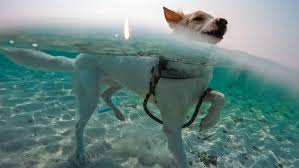
However, that trapped ocean water aggressively pulls bodily fluids straight into the lungs, creating a fatal condition called secondary drowning. The physical symptoms, including severe lethargy, heavy blue gums, and crackling breaths, often do not physically manifest until twenty-four hours after leaving the beach.
If a dog gets pulled under the surf, closely monitor their breathing rate for the next three days. Any sudden onset of a raspy cough or an absolute refusal to lie down flat demands an immediate, high-speed trip to the emergency veterinary clinic.
What To Do Next
Securing a safe, entirely joyous coastal excursion requires abandoning last-minute packing and strictly executing a highly proactive safety protocol. By deeply understanding the hidden marine hazards and upgrading the standard beach tote, handlers guarantee their devoted companions enjoy the sand without suffering catastrophic medical emergencies.
Take these two simple, immediate steps today to safeguard the next oceanic adventure:
- Audit The Beach Bag: Walk over to the supply closet right now and physically remove all fuzzy tennis balls from the designated travel bag. Replace them entirely with smooth, durable rubber marine bumpers to completely eliminate the terrifying risk of fatal sand impaction.
- Purchase Canine Sun Protection: Order a tube of veterinary-approved, zinc-free canine sunscreen and a heavy-duty tin of protective paw wax this afternoon. Keeping these critical items permanently packed in the vehicle ensures absolute physical protection against blistering sand and severe ultraviolet burns.
Disclaimer: The content on Snoutbit.com is for informational and educational purposes only and is not intended to replace professional veterinary advice, diagnosis, or treatment. Always consult with your veterinarian before making significant changes to your dog’s diet, exercise routine, or health regimen.