A foul-smelling companion ruins the living room ambiance, but aggressively scrubbing them down every single weekend leads directly to severe, relentless scratching. Stripping their natural oils with frequent baths destroys the protective dermal barrier, creating a vicious cycle of dry, flaky skin and an even more offensive odor. The definitive answer to how often should you wash your dog depends entirely on their specific genetic coat type, but the absolute golden rule is bathing them just once every four to eight weeks. Double-coated working breeds require significantly fewer baths than smooth-coated companion breeds. Utilizing specialized, hypoallergenic canine wipes between major wash days completely neutralizes surface odor without permanently destroying vital, protective skin barriers.
How Often Should You Wash Your Dog Based On Coat Type?
Canine fur is incredibly diverse, meaning a universal bathing schedule simply does not exist for every single breed. Imposing the exact same grooming routine on a massive, fluffy herding dog and a tiny, smooth-coated terrier guarantees catastrophic dermatological failure for at least one of them. Understanding the specific mechanical properties of the coat is the absolute only way to maintain a perfectly healthy, odor-free animal.
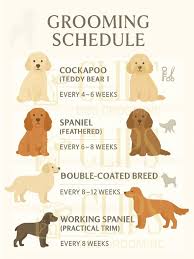
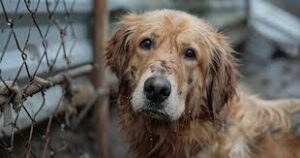
Heavy, double-coated breeds like Golden Retrievers and energetic Australian Kelpies possess highly advanced, “self-cleaning” fur. Their natural, biological oils actively repel dirt, allowing dried mud to simply flake off the topcoat with a vigorous brushing. Bathing these specific breeds more than once every two months aggressively triggers hyper-seborrhea, a condition where the skin violently overproduces oil to compensate, causing the dog to smell absolutely terrible.
🚨 Vet Fact: The canine epidermis is incredibly fragile, measuring only three to five cell layers thick, compared to a human’s robust ten to fifteen layers. This microscopic thinness makes dog skin highly susceptible to severe chemical burns and intense irritation from cheap, heavily fragranced grocery store shampoos.
Do Smooth-Coated Breeds Need More Baths?
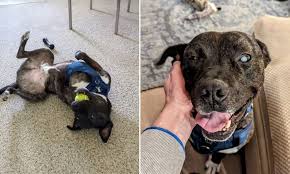
Conversely, smooth-coated companions like muscular Staffies and compact Frenchies lack that dense, protective undercoat to catch environmental debris. Dust, pollen, and everyday grime sit directly against their delicate skin, frequently leading to clogged hair follicles and localized bacterial infections. These specific breeds generally benefit immensely from a gentle, soothing bath every three to four weeks to physically clear away the accumulated environmental allergens.
However, owners of flat-faced breeds must exercise extreme caution regarding their deep, signature facial wrinkles. Water easily becomes trapped inside these tight skin folds during the bathing process, creating a dark, humid environment that breeds dangerous yeast. Those specific facial areas require meticulous daily wiping and absolute, bone-dry towel drying rather than complete submersion in soapy water.
What Is The Canine Acid Mantle?
An incredibly advanced, frequently ignored biological reality is the stark difference between human and canine skin pH levels. The canine acid mantle represents a microscopic, highly acidic barrier that blankets the entire body, acting as the primary defense mechanism against invasive bacteria and yeast. Human skin is relatively acidic, hovering around a pH of 5.5, while a dog’s skin is significantly more neutral, ranging closely from 6.2 to 7.4.
Generic pet blogs constantly recommend utilizing gentle human baby shampoo in a pinch, which is an absolutely catastrophic, highly dangerous piece of advice. Human baby shampoo is strictly formulated for an acidic mantle and will instantly obliterate a dog’s neutral protective barrier on the very first use. Once the acid mantle is chemically stripped away, the skin is left completely defenseless against painful staph infections and severe environmental allergens.
A classic, highly realistic scenario involved a robust Blue Heeler working in thick Australian scrubland that constantly suffered from agonizing, weeping hotspots. The owner was unknowingly washing the working dog weekly with a premium human body wash to remove the heavy outback dust. The exact week they switched strictly to a pH-balanced, oatmeal-based canine formula, the protective barrier successfully regenerated, and the relentless chewing stopped entirely.
🐾 Snoutbit Pro-Tip: Instead of enforcing a full, traumatic bath after a muddy afternoon hike, simply secure the dog in a dry crate and wait for the mud to dry completely. Vigorously brushing a bone-dry double coat with a high-quality slicker brush safely pulls the dirt right out without utilizing a single drop of water.
Does Extreme Weather Dictate Bathing Schedules?
Local environmental extremes heavily dictate exactly how much environmental debris a canine body collects during routine daily exercise. During the brutal, sweltering heat of an Australian outback summer, a dog rolling in fine, red dust requires different management than a dog navigating thick, muddy trails. High humidity heavily exacerbates skin issues, trapping moisture directly against the body and rapidly accelerating the growth of foul-smelling fungal infections.
During a highly humid US August, a thick-coated dog might suddenly develop a horrible, musty odor despite remaining completely indoors. This specific smell is rarely a sign of simple dirt; it is frequently the early stage of a topical yeast bloom caused entirely by the oppressive environmental moisture. Increasing indoor air circulation and utilizing an anti-fungal mousse is far more effective than continuously throwing the dog back into a wet bathtub.
Why Do Clean Dogs Still Smell Bad?
Pet parents frequently rip their hair out in frustration after spending an entire afternoon bathing a dog, only to discover the horrible odor returns within forty-eight hours. The shocking truth is that the pungent, offensive “dog smell” rarely originates from the actual fur covering their back. The vast majority of foul canine odors hide entirely in heavily neglected, highly specific biological zones that require targeted, meticulous cleaning.
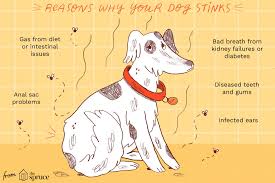
The absolute primary culprit of household dog odor is the microscopic yeast proliferating directly between the dog’s heavy paw pads. This naturally occurring bacteria smells exactly like a stale bag of corn chips and rapidly multiplies every time the dog sweats through their paws. Diligently wiping the paws with a pet-safe chlorhexidine wipe after every single walk extends the timeline between full-body baths by several weeks.
🚨 Vet Fact: Chronic, foul odor radiating directly from the head region is almost never a skin issue, but rather a massive red flag for severe, untreated periodontal disease. No amount of premium, scented dog shampoo will ever mask the decaying scent of a deeply infected canine tooth root.
Can Frequent Baths Wash Off Tick Preventatives?
Heavy coastal tick seasons frequently force dedicated households to rely heavily on powerful, topical spot-on treatments to protect energetic companions from vector-borne diseases. A massive, widely misunderstood danger of over-bathing is physically stripping these expensive, life-saving chemical preventatives directly off the dog’s skin. Most topical applications require the dog’s natural sebum layers to safely distribute the neurotoxin across the entire body.
If a dog is aggressively scrubbed with a heavy-duty degreasing shampoo just three days after applying a topical preventative, the protection drops to zero. Always wait an absolute minimum of four full days before or after applying a topical tick treatment to introduce any water or shampoo. For dogs requiring highly frequent medicated baths, transitioning strictly to a veterinary-approved oral preventative chewable completely bypasses this dangerous mechanical conflict.
What Are The Biggest Bath Time Mistakes?
Transforming a chaotic, stressful bath time into a calm, therapeutic routine requires abandoning outdated scrubbing habits and utilizing modern grooming mechanics. Pouring a massive glob of highly concentrated shampoo directly down the center of the dog’s back is a massive, highly inefficient error. This creates an impenetrable brick of soap that is virtually impossible to rinse out entirely, leading directly to severe chemical contact dermatitis the following day.
- Always pre-mix the canine shampoo in a separate plastic pitcher using a strict ratio of ten parts warm water to one part shampoo.
- Pour this heavily diluted mixture over the soaked coat, allowing the suds to effortlessly penetrate straight down to the skin level.
- Utilize a silicone curry brush to gently massage the diluted soap into the muscles, completely avoiding the use of sharp human fingernails.
Another incredibly realistic case involved a gorgeous Golden Retriever living in Florida whose owner bathed the dog constantly to combat the swampy summer smell. The owner failed to thoroughly rinse the heavy undercoat, leaving a hidden layer of dried soap residue directly against the skin. This invisible chemical film triggered a massive, systemic allergic reaction, requiring costly steroid injections to finally calm the violently inflamed dermal tissue.
🐾 Snoutbit Pro-Tip: Smear a thick layer of dog-safe, xylitol-free peanut butter directly onto the ceramic tile wall of the shower enclosure. The dog will remain completely mesmerized by the high-value puzzle, standing perfectly still and allowing the handler to safely and meticulously wash hard-to-reach areas.
How Crucial Is The Drying Process?
The absolute most critical, highly dangerous phase of the entire bathing routine occurs the very second the water is finally turned off. Vigorously rubbing a wet dog with a standard cotton towel physically damages the fragile hair cuticles, causing massive tangles and severe matting in longer coats. Gently blotting the moisture away by pressing the towel firmly against the body prevents this catastrophic mechanical friction.
Leaving a thick-coated breed to simply air-dry while running around the house traps stagnant water directly against the warm skin. This humid, enclosed environment allows microscopic bacteria to multiply exponentially, frequently triggering painful, oozing hotspots within just twenty-four hours of the bath. Utilizing a professional, high-velocity pet dryer safely blows the water completely out of the undercoat, guaranteeing the skin is perfectly, safely bone-dry.
What To Do Next
Maintaining a pristine, odor-free companion does not require a weekly, highly traumatic wrestling match inside the family bathtub. By deeply understanding the fragile nature of the canine acid mantle and utilizing strategic, targeted hygiene maintenance, households can permanently achieve a fresh-smelling home.
Here are two simple, immediate steps to take today to upgrade the grooming routine:
- Audit The Shampoo Bottle: Walk into the bathroom right now and check the back of the dog shampoo bottle for the specific pH balance. If it does not explicitly state it is formulated for a canine’s neutral pH, or if it contains heavy artificial dyes, throw it directly into the garbage.
- Start The Paw Maintenance Protocol: Purchase a container of veterinary-approved, unscented grooming wipes this afternoon and place them directly next to the front door. Commit to thoroughly wiping the dog’s paw pads immediately after every single outdoor walk to eliminate eighty percent of household “dog smell” instantly.
Disclaimer: The content on Snoutbit.com is for informational and educational purposes only and is not intended to replace professional veterinary advice, diagnosis, or treatment. Always consult with your veterinarian before making significant changes to your dog’s diet, exercise routine, or health regimen.