Struggling with a chaotic dog that pulls furiously on the leash and barks at every passing shadow is deeply embarrassing. It feels like an absolute failure when a simple neighborhood walk turns into an exhausting wrestling match, especially when compared to flawlessly trained show dogs. The secret to that calm focus is not magic genetics, but rather advanced, structured desensitization. The biggest takeaway from the Standard Poodle Anton Sydney Royal Easter Show winner is that elite obedience comes from rigorous environmental conditioning, not just strict physical discipline. By systematically exposing dogs to low-level distractions before demanding focus, pet parents can permanently extinguish leash reactivity. Analyzing Anton’s historic back-to-back Australian victory provides everyday owners with the exact behavioral blueprint needed to transform a chaotic household pet into a deeply focused companion.
How Did Anton The Standard Poodle Win Back-To-Back?
Anton, handled brilliantly by James Bennett, just made history as the first dog to secure back-to-back championships at this prestigious Australian event. Securing the 2026 Best in Show title requires significantly more than a perfectly sculpted pom-pom haircut and a pristine black coat. The dog must possess an utterly bomb-proof nervous system capable of ignoring massive, roaring crowds and the overwhelming scent of hundreds of unfamiliar dogs.
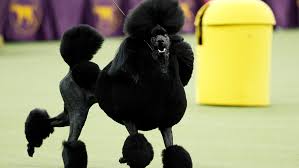
The Sydney Royal Easter Show is an absolute sensory overload for a canine, featuring thundering rodeo events, loud carnival rides, and echoing pavilions. A standard household Golden Retriever or an energetic Blue Heeler would likely suffer an immediate psychological meltdown in this intense environment. Anton’s ability to trot proudly with a raised tail amidst this chaos proves the absolute effectiveness of years of bulletproof emotional conditioning. Show dogs are meticulously taught that loud noises and strange surfaces are completely irrelevant to their job.
What Is Systematic Desensitization In Dog Training?
Show dogs are not born with the innate ability to ignore a thundering arena or a sudden burst of applause. Elite handlers utilize an advanced behavioral protocol called systematic desensitization long before the dog ever steps onto the competition turf. This involves gradually exposing a young puppy to terrifying stimuli—like metallic clanging or dense crowds—at a heavily managed, ultra-low volume.
When the dog remains completely calm, they receive high-value rewards, actively rewiring the brain to associate environmental chaos with absolute safety. Average pet parents completely skip this vital foundational step, dragging their under-socialized dogs to busy farmers markets and wondering why they immediately panic. The canine brain physically cannot learn when flooded with fear, making slow, methodical exposure the absolute only way to build true confidence.
🚨 Vet Fact: High levels of chronic environmental stress actively suppress a dog’s immune system and trigger severe gastrointestinal inflammation. Dogs conditioned to ignore loud noises display significantly lower resting cortisol levels, leading directly to a longer, healthier lifespan and a highly stabilized gut microbiome.
What Is The Secret To Flawless Leash Walking?
Observing the Standard Poodle Anton Sydney Royal Easter Show winner glide effortlessly alongside his handler without ever pulling the lead is mesmerizing. The behavioral secret behind this flawless “stack and gait” routine is the complete elimination of visible food bribery during the actual performance. Many pet parents make the massive mistake of waving hotdogs directly in front of their dog’s nose to force outdoor compliance.
When the human hand is suddenly empty, the highly intelligent canine brain realizes compliance is completely optional and actively ignores the handler. Elite trainers utilize delayed gratification, teaching the dog that maintaining absolute focus during the walk is the only way to eventually unlock a massive jackpot reward. The paycheck is always guaranteed, but the dog must work entirely through the distraction before receiving payment.
- Keep premium rewards completely hidden inside a pocket or specialized training pouch.
- Utilize a sharp, consistent verbal marker word like “Yes!” the split second the dog makes eye contact.
- Reward the engagement unpredictably to create a highly motivating, addictive slot-machine effect.
How Do Handlers Manage Canine Anxiety?
Even elite champions occasionally experience momentary spikes in anxiety when faced with highly unpredictable environments. The brilliant distinction between an average pet owner and a professional handler is exactly how they react to that sudden fear. If a dog spooks at a falling chair, pulling them forcefully toward the scary object completely breaks their trust.
Handlers utilize a technique called “threshold management,” instantly recognizing the exact physical distance at which the dog feels safe. They calmly walk the dog away from the terrifying trigger, completely resetting the dog’s emotional state before attempting the approach again. This strategic retreat actually builds massive confidence, proving to the dog that the human will always protect them from dangerous situations.
🐾 Snoutbit Pro-Tip: Never abruptly grab a dog’s paws to trim their nails if they pull away in fear. Gently touch the shoulder, mark the calm behavior with a “Yes!”, deliver a premium treat, and slowly work down the leg over several weeks to build absolute trust.
Can Elite Handling Prevent Vet Anxiety?
During the conformation judging process, strangers must physically examine the dog’s teeth, run hands down their spine, and inspect their highly sensitive paws. A dog that cowers, growls, or physically snaps at the judge is immediately disqualified from the competition, regardless of their perfect physical structure. Show dog handlers spend months meticulously practicing cooperative care, turning highly invasive physical touch into a deeply positive, predictable game.
This specific handling protocol is entirely missing from the average suburban household. When a hyper-reactive Staffy or a highly sensitive Frenchie suddenly develops a painful ear infection, simply applying daily medication becomes a dangerous wrestling match. Desensitizing the dog to basic physical handling prevents severe behavioral fallout and ensures future veterinary visits remain completely stress-free.
How To Desensitize A Dog To Grooming?
Anton’s immaculate, cloud-like coat requires hours of intense daily brushing, clipping, and blow-drying to maintain absolute perfection. This process would be utter torture for a dog that has not been properly desensitized to the loud hum of a grooming vacuum or the sharp pinch of a slicker brush. The advanced strategy involves breaking the grooming process down into micro-steps, rewarding the dog heavily just for sniffing the powered-off clippers.
Once the dog happily accepts the sight of the tools, the handler briefly turns them on, marking and rewarding the calm reaction to the noise. Forcing a terrified dog into a bathtub and pinning them down teaches the animal that grooming is a terrifying punishment. Cooperative grooming builds an incredible bond of mutual respect, allowing the handler to manipulate the dog’s body without inflicting unnecessary psychological stress.
How Do Australian Climates Impact Show Dogs?
Local environmental extremes heavily dictate exactly how dogs are conditioned and maintained for top-tier agricultural shows. During the warm, highly humid Sydney autumn days, a dog’s core temperature can elevate dangerously high while waiting inside the bustling pavilions. Handlers must master precise thermal management, utilizing heavy-duty cooling mats and strategic hydration schedules to prevent heat-induced lethargy.
Additionally, traveling across New South Wales to attend qualifying events exposes these elite athletes to severe regional tick seasons. Whether showing a sleek standard poodle or a rugged Australian Kelpie, maintaining strict, veterinary-approved oral tick preventatives is an absolute non-negotiable requirement. A single paralysis tick contracted during a rural training session can end a show career and a life entirely.
🚨 Vet Fact: Feeding a dog a massive meal immediately following intense physical exertion or stressful competition actively triggers Gastric Dilatation-Volvulus (GDV), commonly known as bloat. Handlers strictly enforce a massive physical cool-down period before ever allowing the dog to consume dinner.
What Is The Pre-Event Routine For Dogs?
A massive, hidden component of competitive success is the highly structured routine established in the hours immediately preceding the ring appearance. The canine brain thrives on absolute predictability, and suddenly thrusting a dog from a quiet living room straight into a chaotic arena guarantees behavioral failure. Professional handlers utilize strict warm-up rituals to signal to the dog that it is officially time to transition into working mode.
This routine often involves specific stretching exercises, focused eye-contact drills in the parking lot, and the application of a distinct competition collar. Pet owners can easily replicate this strategy by establishing a clear, ten-minute focus routine inside the house before ever clipping on the walking leash. If the dog cannot offer basic eye contact in the quiet kitchen, they will absolutely ignore the handler on a busy, distraction-filled sidewalk.
How To Build A Pre-Walk Routine?
Establishing a pre-walk routine completely changes the power dynamic before the front door ever opens. It stops the frantic, over-aroused spinning that typically precedes a neighborhood stroll.
- Require the dog to sit calmly while the harness is buckled, stopping the process entirely if they jump or spin.
- Practice three simple obedience commands, like “touch” or “spin,” to activate the working brain.
- Only open the front door when the dog offers unprompted eye contact, making outside access the ultimate reward for calmness.
Does Breed Dictate Trainability And Focus?
The diverse lineup at the Sydney Royal includes everything from lanky Deerhounds to tiny Papillons, proving that exceptional obedience is not limited to specific working breeds. While a Border Collie naturally desires continuous behavioral tasks, an independent hound requires significantly different motivational strategies to perform. Elite trainers never force a standardized training template onto a dog; they meticulously adapt their rewards to match the dog’s unique genetic drives.
If an independent breed completely ignores freeze-dried liver, the handler might utilize a rabbit-fur tug toy to spark intense engagement. Understanding exactly what a dog desperately wants—whether it is food, physical play, or the opportunity to chase—is the ultimate key to unlocking their hidden potential.
🐾 Snoutbit Pro-Tip: Implement the “Premack Principle” by asking the dog to perform a boring obedience task, like a prolonged “Sit,” before allowing them to access a highly desired reward, like sprinting out the back door.
What To Do Next
Achieving a perfectly behaved companion does not require spending thousands of hours preparing for a national championship ribbon. By observing the psychological resilience of top-tier show dogs, everyday owners can successfully implement structural boundaries that completely eliminate household chaos.
Here are two simple, immediate steps to take today to build elite focus:
- Start The Handling Game: Sit on the floor tonight and gently touch the dog’s collar for one second, immediately followed by a high-value treat. Practice this structural handling daily to completely eliminate any sensitivity to physical manipulation before the next vet visit.
- Audit The Walk: During tomorrow morning’s walk, completely stop moving the exact second the dog pulls ahead on the leash. Become an immovable tree, and only take a step forward when the dog yields to the leash pressure and voluntarily looks back at your face.
Disclaimer: The content on Snoutbit.com is for informational and educational purposes only and is not intended to replace professional veterinary advice, diagnosis, or treatment. Always consult with your veterinarian before making significant changes to your dog’s diet, exercise routine, or health regimen.
To see the incredible composure and immaculate grooming required to dominate the ring, check out Standard Poodle Anton wins Sydney Royal Dog Show | ABC NEWS and observe exactly how a champion commands attention!