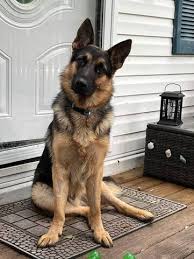
The sheer, breathtaking panic of staring at an open backyard gate while calling a dog’s name to total silence is a universally terrifying experience. Relying solely on a traditional microchip is a massive, highly dangerous gamble because it only works after a stranger physically captures the terrified dog and drives them to a scanner. The absolute fastest way to locate a runaway dog in real-time is utilizing an Airtag collar holder for pet tracking and safety. By securely mounting this tiny Bluetooth beacon flush against a heavy-duty collar, owners leverage millions of surrounding smartphones to pinpoint their dog’s exact location before tragedy strikes. Ditching dangling keychain tags for a secure, slide-on holder prevents the device from falling off or being swallowed, guaranteeing immediate, actionable tracking data the second a dog breaches the fence line.
Does An Apple AirTag Actually Work For Tracking Dogs?
The technology behind this tracking system is completely different from expensive, subscription-based GPS satellite collars. An AirTag emits a secure Bluetooth signal that is completely invisible, passively bouncing off any passing Apple device within its radius. That stranger’s smartphone then silently relays the exact location data directly to the dog owner’s tracking app.
This creates a massive, crowdsourced search party entirely without anyone else realizing they are actively helping to find a lost pet. Consider a highly realistic behavioral case involving a young, highly reactive Blue Heeler that bolted out the front door after a delivery driver. The dog vanished into a sprawling suburban neighborhood, but the owner watched the digital map update every few minutes as the dog ran past neighbors carrying smartphones. This live digital trail allowed the owner to safely intercept the exhausted Heeler three streets away before the dog ever reached a busy intersection.
What Is The Bluetooth Range For Dog Tracking?
An advanced, frequently misunderstood reality of Bluetooth tracking is the massive difference between urban efficiency and rural dead zones. Because the device relies entirely on pinging nearby cellular devices, the effective tracking range completely depends on human population density.
- Urban Environments: Highly effective; a dog running through a busy city park will constantly ping hundreds of devices, providing flawlessly accurate, real-time map updates.
- Suburban Neighborhoods: Highly reliable; passing cars, mail carriers, and pedestrians out walking will catch the signal and update the location grid frequently.
- Deep Rural Areas: Highly ineffective; if a hunting Kelpie gets lost in the deep Australian outback miles away from human cellphones, the tracker will go entirely blind.
🚨 Vet Fact: Microchips are passive RFID tags, not active GPS trackers. They emit absolutely zero signal and are entirely useless until a veterinary professional or shelter worker physically waves a wand directly over the dog’s shoulder blades.
Why Are Dangling Pet Trackers A Choking Hazard?
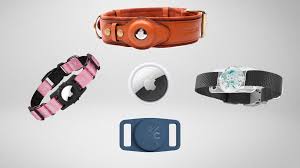
Walking down the pet aisle, buyers are instantly flooded with cheap, colorful silicone keychain rings designed to dangle an AirTag off the collar’s metal D-ring. This specific mounting style is incredibly dangerous for highly active, rugged breeds that wrestle and sprint through dense brush. A dangling tracker acts like a giant, irresistible mechanical pendulum, practically begging a curious dog or their canine housemate to chew it clean off.
A recent emergency consultation involved a young Staffy that managed to reach a dangling tracker case attached to a loose collar. The dog easily chewed through the cheap plastic loop and swallowed the entire tracking unit whole while the owners were sleeping. This preventable accident resulted in a massive, thousands-of-dollars emergency bowel obstruction surgery to remove the highly toxic battery casing.
How To Choose The Best Airtag Collar Holder For Pet Tracking And Safety?
The definitive, elite solution for athletic dogs is completely avoiding keychains and utilizing the “Flush-Mount Method.” A premium Airtag collar holder for pet tracking and safety features dual loops that allow the collar webbing to slide directly through the back of the case. This anchors the device completely flat against the nylon collar, entirely removing the dangling hazard and preventing the tracker from snagging on low tree branches.
When selecting materials, avoid hard, rigid plastics that crack easily when a dog rolls forcefully on the concrete pavement. Soft, shock-absorbing silicone or heavily stitched authentic leather provides immense durability while preventing the device from irritating the dog’s sensitive skin.
🐾 Snoutbit Pro-Tip: To maximize the Bluetooth tracking range, always position the flush-mounted holder directly on the back of the dog’s neck, pointing up toward the sky. This strategic placement prevents the dog’s dense, water-filled body mass from actively blocking or absorbing the outward tracking signal.
Can Extreme Weather Destroy An AirTag?
Local environmental extremes act as massive, hidden multipliers for technological failure when outfitting a canine companion. During the brutal, sweltering heat of an Australian outback summer or a heavily humid US August, a dog’s collar endures immense thermal and moisture stress. While the tracking device itself is highly water-resistant, it is completely defenseless against fine, microscopic dirt and abrasive beach sand.
High-energy breeds like Golden Retrievers absolutely love plunging into muddy creeks or crashing through salty ocean waves to cool their core temperatures. Utilizing a fully enclosed, waterproof silicone holder seals the device in a protective environmental vacuum. This actively prevents highly corrosive salt water and muddy grit from penetrating the battery compartment and destroying the sensitive internal electronics.
Do Australian Tick Seasons Require Special Collar Gear?
Heavy coastal tick seasons frequently force owners to intensely monitor their dog’s coat after every single outdoor adventure. The constant threat of paralysis ticks across Australian scrubland and Lyme-carrying ticks in the US Northeast requires meticulous physical inspections. When using a wide, slide-on Airtag collar holder for pet tracking and safety, the area directly beneath the silicone casing becomes a dark, warm, hidden haven for dangerous parasites.
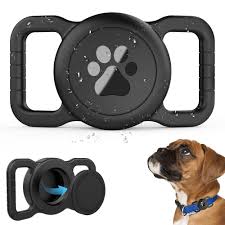
Owners must create a strict daily habit of physically sliding the holder an inch to the left or right to inspect the fur underneath. Failing to check beneath the collar accessories allows ticks to latch on completely unnoticed, drastically increasing the risk of fatal vector-borne diseases.
🚨 Vet Fact: The CR2032 lithium coin battery located inside an Apple AirTag is a severe, life-threatening biohazard to canines. If a dog swallows the battery, the electrical current reacts with stomach fluids to create sodium hydroxide, burning a devastating hole through the stomach lining within just two hours.
Will An AirTag Emit Sounds That Scare Dogs?
Here is an advanced, highly critical behavioral insight that generic technology blogs completely fail to mention regarding canine anxiety. To prevent human stalking, Apple engineered these devices to emit a sharp, sudden chirping noise if they are separated from their owner’s phone for an extended period. When this high-pitched alarm suddenly erupts inches away from a dog’s highly sensitive ear canal, it frequently triggers massive, uncontrollable panic.
Noise-sensitive dogs, particularly Frenchies or rescue dogs with severe generalized anxiety, associate the terrifying sound with the collar itself. This acoustic trauma creates profound collar-shyness, where the dog violently runs away or completely shuts down whenever the owner attempts to leash them for a walk.
Does Collar Placement Affect Acoustic Anxiety?
Preventing this severe behavioral fallout requires intense situational awareness regarding exactly where the device sits on the dog’s body. Never allow the tracker to slide downward to rest under the dog’s chin, directly beneath their sensitive ears.
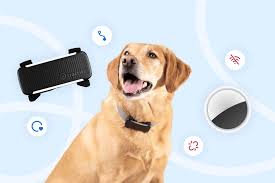
- Keep the holder locked tightly to the back of the neck, near the shoulder blades, to drastically muffle any unexpected alert chimes.
- Ensure the device is firmly paired to the smartphone of the person actually walking the dog that day.
- Frequently check the device battery level in the smartphone app to avoid unexpected low-battery warning beeps.
By understanding the acoustic reality of the hardware, owners can completely secure their dogs without accidentally inflicting severe noise phobia.
What To Do Next
Securing a beloved canine companion does not require spending thousands of dollars on heavy, subscription-based satellite collars. By leveraging the sheer power of crowdsourced Bluetooth technology and utilizing the correct mounting hardware, households can create a flawless, highly reliable safety net.
Here are two simple, immediate steps to take today to upgrade your dog’s security:
- Audit The Current Collar: Inspect the dog’s collar right now and throw away any flimsy, dangling keychain trackers immediately. Purchase a heavy-duty, slide-on silicone holder this afternoon to permanently secure the device flush against the nylon webbing.
- Adjust The Placement: Slide the newly mounted tracker to the absolute top of the dog’s neck, directly between the shoulder blades. This exact position maximizes the outward Bluetooth signal while protecting the dog’s ears from sudden, terrifying notification chimes.
Disclaimer: The content on Snoutbit.com is for informational and educational purposes only and is not intended to replace professional veterinary advice, diagnosis, or treatment. Always consult with your veterinarian before making significant changes to your dog’s diet, exercise routine, or health regimen.