Walking the exact same neighborhood loop every single morning creates severe behavioral stagnation. When highly intelligent canines stop receiving new mental stimulation outdoors, that unspent cognitive energy rapidly transforms into destructive living room anxiety, aggressive leash-pulling, and chaotic household pacing. The ultimate solution to permanently curing boring, repetitive walks is utilizing the Dog-e-dex dog tracking app. The biggest takeaway regarding Dog-e-dex is that by gamifying the daily walk—rewarding owners for safely scanning and identifying different dog breeds out in the world—it forces humans to drastically diversify their walking routes. This app-driven exploration provides unparalleled olfactory enrichment, exhausting a dog’s brain significantly faster than pure physical exercise.
What Is The Dog-e-dex App Used For?
Dog-e-dex operates like a digital encyclopedia for canine enthusiasts out in the real world. Users utilize their smartphone cameras to snap photos of dogs they encounter during walks, allowing the artificial intelligence to instantly identify and catalog the specific breed. It gamifies the outdoor experience, encouraging users to “collect” everything from common Golden Retrievers to incredibly rare imports.

This simple piece of technology completely shifts the human motivation for walking the dog. Instead of rushing through a mandatory fifteen-minute bathroom break, owners actively seek out bustling dog-friendly cafes, expansive nature trails, and diverse urban parks. This prolonged, highly varied outdoor exposure is exactly what energetic working breeds desperately crave.
Does Gamified Tracking Improve Canine Behavior?
Yes, changing the geographical environment directly targets the root cause of canine behavioral frustration. Dogs experience the world primarily through their incredibly powerful olfactory system. Sniffing a brand-new tree across town provides massive, exhausting mental stimulation that a boring walk around the same familiar block completely lacks.
🐾 Snoutbit Pro-Tip: Never pull a dog away from a fire hydrant or light pole while they are deeply engaged in a sniffing session. Allowing a dog to thoroughly investigate a scent for sixty seconds drops their resting heart rate and actively reduces leash reactivity.
How Does Changing Walking Routes Prevent Dog Anxiety?
Taking a completely different route to find new breeds on the Dog-e-dex app accidentally forces the dog to problem-solve. Navigating unfamiliar sidewalks, smelling strange local wildlife, and hearing different traffic patterns forces the canine brain to process complex environmental data. This intense cognitive processing burns massive amounts of calories, leading to a deeply relaxed, sleeping dog upon returning home.
Professional behaviorists constantly witness the massive benefits of route diversification in highly reactive herding breeds. One specific case involved a severely anxious Australian Kelpie that obsessively paced the backyard fence line every single afternoon. Once the owner downloaded a breed-tracking app and began driving the dog to entirely new, unfamiliar state parks every evening to find different dogs, the Kelpie’s destructive pacing completely vanished within a week.
Why Is Olfactory Enrichment Better Than Physical Exhaustion?
Many pet parents falsely believe that running a dog into the ground is the only way to achieve absolute household peace. However, forcing an athletic breed to run five miles on pavement simply creates an incredibly fit, stamina-filled athlete that requires ten miles the following week. Pure physical conditioning never addresses the dog’s vital biological need for cognitive problem-solving.
Allowing a dog to execute a “sniffari” in a brand-new neighborhood actively exhausts the olfactory cortex. Fifteen minutes of intense, focused sniffing tires out the canine nervous system significantly faster than a mindless, hour-long neighborhood jog. By utilizing a tracking app to find new dog parks, owners organically provide this critical decompression time.
🚨 Vet Fact: The canine nose possesses up to 300 million olfactory receptors, compared to the mere six million found in humans. Processing all that complex scent data utilizes a massive percentage of the dog’s brain, making scent work the absolute most efficient way to tire out a hyperactive pup safely.
Is It Safe To Approach Unknown Dogs For Photos?
The massive, hidden danger of gamified dog tracking is the human tendency to completely ignore canine body language in pursuit of a rare photograph. Rushing up to a strange, leashed dog just to scan their face for an app is a highly dangerous, incredibly rude behavioral violation. Not all dogs are friendly, and forcing an unwanted interaction often triggers defensive, fear-based aggression.
Always maintain a safe, respectful distance of at least ten feet when attempting to catalog a new breed outdoors. Telephoto smartphone lenses exist for exactly this reason, allowing users to collect their Dog-e-dex entry without ever invading another animal’s personal space. Understanding boundaries protects both the human and the highly stressed dog at the end of the leash.
What Is The Consent Test For Canine Greetings?
If an approach is absolutely necessary, understanding exactly how to ask for canine consent prevents terrifying physical altercations. Before ever raising a camera, verbally ask the owner for explicit permission to say hello. If the owner agrees, stop walking entirely and let the other dog close the remaining distance completely on their own terms.

If the approaching dog freezes, pins their ears back, or actively tries to hide behind their owner’s legs, the interaction must end immediately. Never force a terrified Staffy or a nervous Frenchie to sit still for a tracking photograph. True dog lovers prioritize the psychological safety of the animal over unlocking a digital achievement on a smartphone.
🐾 Snoutbit Pro-Tip: The “Three-Second Rule” is the golden standard for safe canine introductions. Allow two unfamiliar dogs to sniff each other for exactly three seconds, then happily call them apart to prevent the social tension from boiling over into a fight.
Can App-Based Walking Cause Environmental Dangers?
Becoming hyper-focused on a phone screen while navigating busy outdoor environments creates severe, life-threatening blind spots for the dog handler. Staring at the Dog-e-dex app to identify a passing dog means the handler is completely missing the shattered glass or discarded chicken bones lying directly on the sidewalk. Maintaining absolute situational awareness is a non-negotiable requirement for responsible dog ownership.
Another terrifying scenario involves owners walking significantly further than intended while hunting for specific dog breeds. A recent behavioral consultation involved an owner so distracted by a tracking app that they accidentally walked their heavy-coated Golden Retriever three miles on scorching pavement. The dog suffered severe thermal stress and blistered paw pads entirely because the owner failed to monitor the intense afternoon temperatures.
How Do Summer Heat And Tick Seasons Affect Dog Walks?
Local environmental extremes heavily dictate exactly how and when app-based walking adventures should safely occur. During the brutal, sweltering heat of an Australian outback summer or a highly humid US August, long exploratory walks must be strictly limited to early dawn. Flat-faced breeds simply cannot safely handle the cardiovascular strain of navigating unfamiliar, hot environments while their owner stares at a phone.
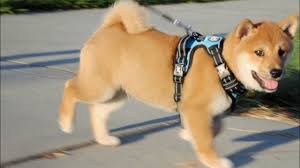
Furthermore, wandering off the paved path to photograph a rare breed in tall brush exposes dogs to intense, regional tick seasons. The constant threat of paralysis ticks across Australian coastal regions mandates heavy preventative medications and thorough post-walk bodily inspections. Always prioritize the dog’s physical safety over the urge to explore uncleared, dangerous brush for a digital reward.
🚨 Vet Fact: Asphalt absorbs and aggressively radiates solar heat, frequently reaching temperatures exceeding 140 degrees Fahrenheit (60 degrees Celsius) on a sunny summer afternoon. If the back of a human hand cannot rest comfortably on the pavement for seven full seconds, it will instantly burn a dog’s sensitive paw pads.
How Can Owners Maximize The Dog Tracking App Safely?
Utilizing technology to enhance the human-canine bond is a phenomenal concept when executed with extreme situational awareness and empathy. The tracking app should serve as a gentle motivator to step outside the boring daily routine, never a dangerous distraction from the dog attached to the leash. Keep the smartphone safely tucked away in a pocket until the walking environment is entirely secure.
Focus entirely on these strict safety protocols when using tracking technology outdoors:
- Scan The Ground First: Always look at the physical terrain for glass, toxic plants, or dropped food before looking at the phone screen.
- Monitor The Dog: Check the dog’s panting rate and body language every five minutes to ensure they are not experiencing severe environmental stress.
- Mute The Notifications: Turn off the app’s pinging notifications so sudden electronic noises do not accidentally startle a highly reactive rescue dog.
By following these fundamental safety guidelines, owners can completely revolutionize their dog’s mental health while thoroughly enjoying the gamification elements. The ultimate goal is building a deeply enriched, highly stimulated canine companion who sleeps soundly every single night.
What To Do Next
Transforming a boring daily chore into a highly engaging, mentally exhausting adventure completely changes the behavioral dynamic of the household. Leveraging interactive technology safely ensures the dog receives the diverse environmental exposure they desperately crave without risking their physical safety.
Here are two simple, immediate steps to take today to upgrade the daily walk:
- Map A Brand-New Route: Open a map application right now and plot a one-mile walking route entirely outside of the standard neighborhood loop. Pick a route that includes a local park or a pet-friendly shopping center to guarantee a high volume of new, fascinating scents for the dog to investigate.
- Practice The Consent Test: During the next outing, consciously stop allowing the dog to pull toward unfamiliar animals. Wait for verbal permission from the other owner, enforce the strict three-second greeting rule, and immediately reward the dog for successfully disengaging.
Disclaimer: The content on Snoutbit.com is for informational and educational purposes only and is not intended to replace professional veterinary advice, diagnosis, or treatment. Always consult with your veterinarian before making significant changes to your dog’s diet, exercise routine, or health regimen.